

























How 'El Mencho' built a survival network across Jalisco Mexico

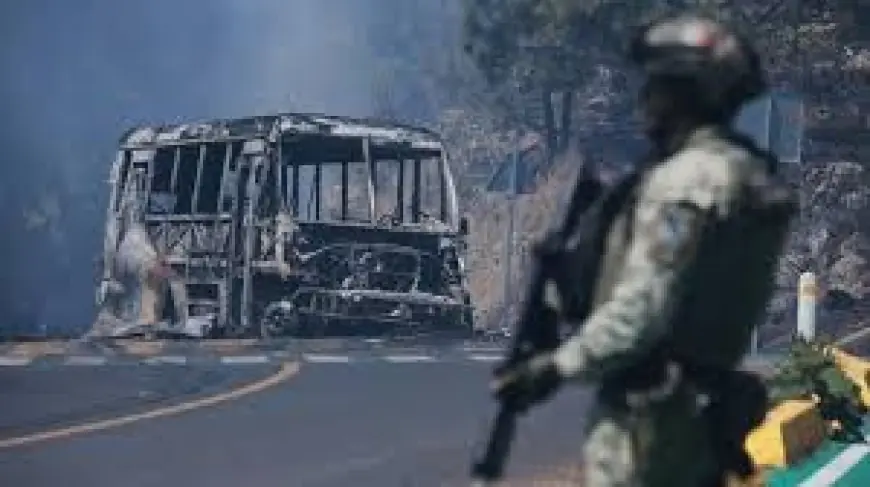
Coverage of jalisco mexico outlines how Nemesio Oseguera Cervantes, known as "El Mencho, " created a criminal survival system of constant mobility, strategic shelters and information networks that let him evade authorities for years.
El Mencho’s mobility and shelter strategy
For more than a decade, Nemesio Oseguera Cervantes, "El Mencho, " led the Cártel Jalisco Nueva Generación (CJNG) while building what the coverage describes as a system of survival based on constant movement, a map of ranch-style refuges and dense information networks. In security circles he was described as a capo "a salto de mata, " forced to change location permanently yet repeatedly managing to stay ahead of operations.
More than 20 times federal forces closed in
Security and military sources agreed the leader was located on more than 20 occasions by federal forces, and in each episode he escaped. Internal reports said the constant behind those escapes was anticipation rather than luck: early-warning alerts flowed from support networks reportedly infiltrated into local corporations and government structures.
Communications compromised and a focus on Jalisco
The coverage states that his group even compromised communications of military and federal authorities, primarily their frequency radios. His map of refuges concentrated mainly in Jalisco, and other pieces of coverage referenced the death of "El Mencho" in a military operation and the narcobloqueos and violence that followed in Jalisco and other states after his death.
Villa Purificación, Los Altos and the rural corridor
Villa Purificación was highlighted as one of his most known bastions: a serrana zone with limited access, a historical CJNG presence and communities where the group had woven territorial control. In 2015 a failed federal operation in that area ended with the downing of a military helicopter, an episode that reinforced the belief that Oseguera could mount an immediate response to state incursions. Another corridor was Los Altos de Jalisco, where the group consolidated logistical and social presence; the dispersion of ranches, rural roads and community support networks there helped his mobility.
Urban hideouts in Zapopan and a leisure link in Ajijic
Investigators also placed him in Zapopan, particularly in residential neighborhoods where CJNG allegedly ran low-profile safe houses. The combination of urban and rural hideouts was part of a deliberate strategy to alternate between deep sierra and metropolitan zones and complicate field intelligence. One site that drew attention was Ajijic on the shore of Chapala, where he reportedly maintained an affinity for stables and fine horses — a taste that matched his preference for ranch-type refuges.
The coverage compiles a series of concrete patterns: movement in reduced convoys, frequent changes of route to avoid encirclement, infiltrated alert networks in institutions, compromised military and federal radios, and known strongholds in Villa Purificación, Los Altos de Jalisco, Zapopan and Ajijic on the Chapala shore. The material on jalisco mexico presents a portrait of a capo who blended rural ranch life and quiet urban hideouts to frustrate capture.
What happens next is unclear in the provided context.