


















Mencho killed after army operation in Tapalpa, Jalisco

Nemesio Oseguera Cervantes — known as "El Mencho" and now identified in official accounts alongside the name Rubén 'N' (a) Mencho — was killed this Sunday after a Mexican army operation in Tapalpa, Jalisco. The operation, Sedena said, used U. S. intelligence support and ended with multiple dead, wounded and arrests, a sequence that immediately prompted security reinforcements in the region.
How the operation reached Tapalpa
Sedena said a Special Forces command located mencho in the municipality of Tapalpa, a mountainous area about 130 kilómetros south of the city of Guadalajara. The ministry said the unit carried out the operation with support from Fuerza Aérea aircraft and the Fuerza Especial de Reacción Inmediata de la Guardia Nacional, and that the action followed years of intelligence work and the breakdown of a protection network that had sheltered him across rural and urban areas of Jalisco.
Forces, firepower and what was seized
The Defense described the suspects as using vehicles blindados and heavy weaponry, including lanzacohetes with capacity to derribar aeronaves. It said diverse armamento and vehicles were asegurados, including rocket launchers capable of bringing down aircraft and destroying armored vehicles. Elements of the Guardia Nacional and army troops from the center and neighboring states were deployed to reinforce security in Jalisco after the operation.
Casualties, arrests and identification steps
Sedena said military personnel were attacked during the operation and that troops repelled the aggression. Four alleged members of the CJNG died at the scene, and three others were seriously wounded and died during air transfer to Mexico City; Nemesio Oseguera Cervantes was among the wounded captured and died en route to CDMX. The Defense added that among those latter wounded was named Rubén 'N' (a) Mencho, and that the corresponding authorities will carry out pericial activities for identification. Two additional CJNG members were detained, and three military personnel were seriously injured and transferred to hospitals in Mexico City for urgent care.
Why the operation drew U. S. involvement
Sedena said the operation counted with "información complementaria" from the government of the United States within a bilateral coordination framework. White House spokeswoman Karoline Leavitt wrote on X that "EE. UU. brindó apoyo de inteligencia al gobierno mexicano para ayudar con una operación (... ) en la que fue eliminado Nemesio 'El Mencho' Oseguera Cervantes" and added, in the same post, that "El gobierno de Trump también elogia y agradece a los militares mexicanos por su cooperación y la exitosa ejecución de esta operación. " The U. S. had offered US$15 million for his capture; Mexico had offered US$1, 75 millones, the highest reward in its program.
Reactions on the ground and the wider fallout
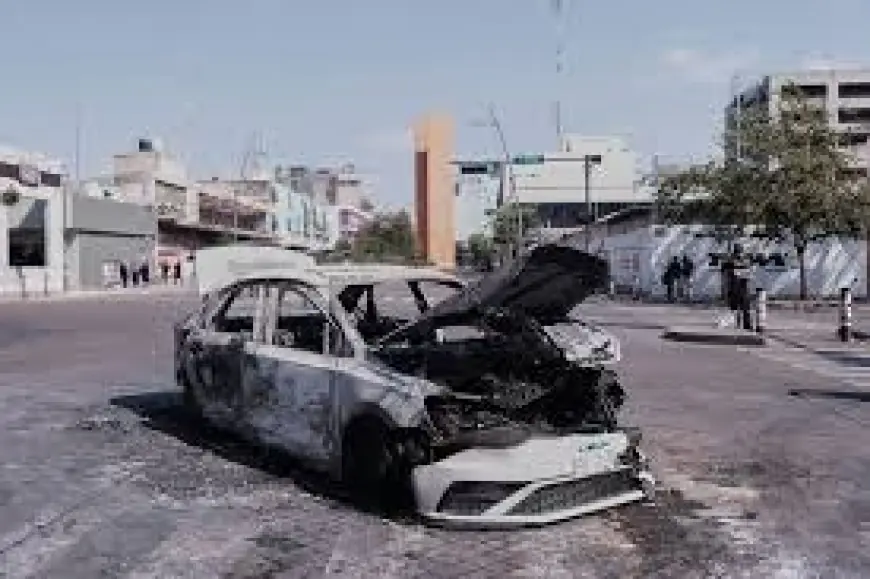
The death of the CJNG leader unleashed a wave of violence across western Mexico, with more than 60 hechos violentos including narcobloqueos, vehicle burnings, shootouts and attacks on convenience stores that led authorities to reinforce federal and state operations. The reaction, attributed to CJNG cells, began in Jalisco and then spread to neighboring states such as Guanajuato and Michoacán. One particularly delicate episode was reported in Lagos de Moreno, where there was an attack against a National Guard base.
Who was Mencho and how he avoided capture
Mencho, 59 years old in official accounts, co-founded the Cártel Jalisco Nueva Generación, an organization that expanded across Mexico in the last decade and rose to be counted alongside the Cartel de Sinaloa as one of the country’s most violent groups. The government of Donald Trump designated the CJNG as a terrorist organization, calling it a "cartel despiadado y violento responsable del tráfico de fentanilo, metanfetaminas, cocaína y otras drogas ilícitas hacia EE. UU. " For more than a decade he built a system of survival based on constant mobility, strategic refuges and information networks that allowed him to evade capture; military and security he had been located more than 20 times by federal forces.
Authorities have said forensic identification work will follow and that security operations in Jalisco and neighboring states will continue as troops and National Guard elements remain on heightened alert.