



















John Davidson Outbursts Interrupt BAFTAs as Host Alan Cumming Asks for 'Understanding'

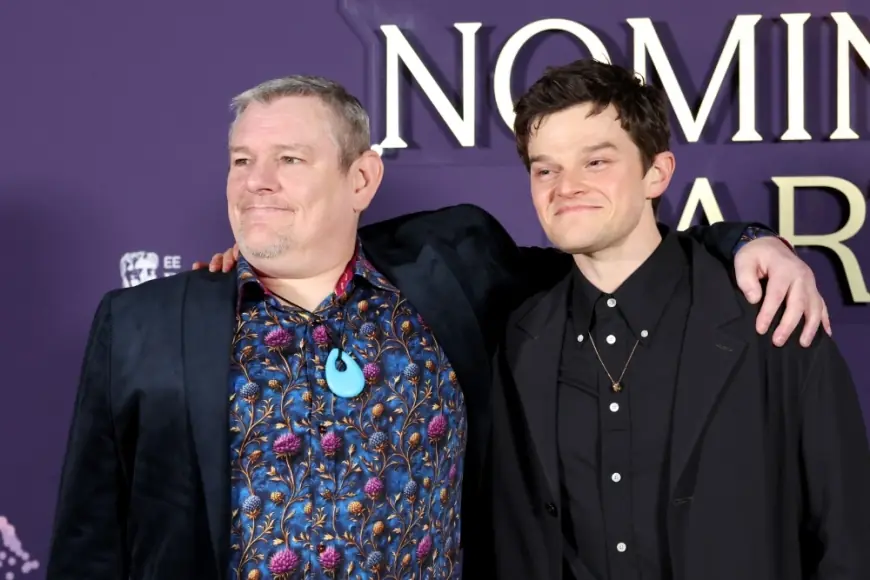
BAFTA Film Awards host Alan Cumming appealed for empathy after campaigner john davidson made several audible outbursts during the ceremony, including profanity and a racial slur, prompting onstage explanations and an on-floor introduction noting his condition.
Alan Cumming asks for understanding after disruptions
During the ceremony, Alan Cumming thanked the audience for their understanding following a number of outbursts from John Davidson. He explained that the strong language heard could be part of how Tourette’s syndrome presents for some people and asked the audience to help create a respectful space. Later in the evening Cumming made a further statement, saying Tourette’s syndrome is a disability, that the tics heard are involuntary, and he offered an apology for anyone who was offended.
John Davidson: the campaigner at the centre of the BAFTAs disruption
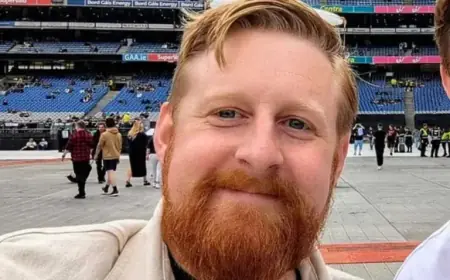
John Davidson, who was diagnosed with Tourette’s syndrome at the age of 25 and whose symptoms first began at 12, attended the ceremony as the inspiration for the film I Swear. His documented symptoms include tics and uncontrollable outbursts, often involving cursing. Before the ceremony a floor manager introduced him to the audience and noted that he had Tourette’s syndrome, warning attendees they might hear involuntary noises or movements during the event.
What was shouted and how the ceremony responded
Multiple outbursts from Davidson were audible inside the ceremony. During an introductory speech from the chair of the event, an interruption shouted “shut the fuck up” could be heard. When the directors of Boong collected the award for best children’s and family film, “fuck you” was shouted during their acceptance. At another moment, when presenters Michael B. Jordan and Delroy Lindo handed the prize for best visual effects to Avatar: Fire and Ash, the audience heard Davidson shout the n-word. The interruptions were not audible in the second half of the ceremony after Davidson appeared to have left the room; he left of his own accord and was not asked to leave by the organisers. An earlier statement from a source described Davidson as an invited guest and said he would not be asked to leave under any circumstances.
I Swear, Robert Aramayo and the film’s BAFTA fortunes
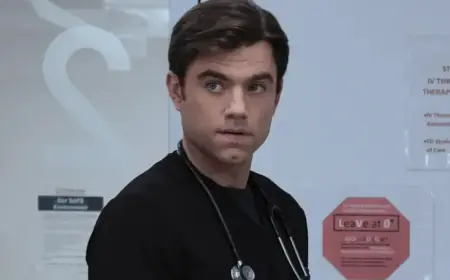
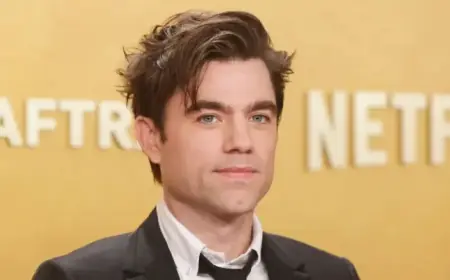
The film I Swear, which follows Davidson at age 25 and draws on his earlier media exposure in the seminal documentary John’s Not Mad, is up for five BAFTAs. It received nominations including leading actor for Robert Aramayo, supporting actor for Peter Mullan, best original screenplay, and casting. The casting category was one of the awards I Swear won. The film is also competing for outstanding British film. Robert Aramayo was also recognised with the Rising Star award; collecting that prize he praised John Davidson, calling him the most remarkable man he had ever met and noting his openness around education and belief — the acceptance remark is incomplete and unclear in the provided context.
Ceremony results, performances and the voting process
The ceremony honoured multiple films across categories. One Battle After Another took home best film and four additional awards for a total of five wins. Hamnet saw success with Jessie Buckley winning best actress. Sinners secured three wins out of thirteen nominations, including original screenplay and a supporting actress prize for Wunmi Mosaku. The night was framed as a recovery for British acting, with Robert Aramayo and Wunmi Mosaku breaking a four-year dry spell for British performers in major acting categories. High-profile names such as Timothée Chalamet, Paul Mescal and Leonardo DiCaprio were among those who missed out on wins.
Entertainment on the night included live performances, notably the first performance outside the U. S. of the track "Golden" from the fictional K-Pop project KPop Demon Hunters, performed by Audrey Nuna, Ejae and Rei Ami, who are the voices of the fictional K-Pop group HUNTR/X. British singer Jessie Ware performed a song associated with Barbara Streisand during the In Memoriam segment. Nominees for the awards had been announced on 27 January, and the winners were chosen through a three-round voting system: round one creates a long list, round two determines final nominations, and round three decides the winners, with chapter-based and juried processes varying by category.
Broadcast and outstanding questions
Organisers did not provide a public response about whether the audible outbursts would be edited from the televised broadcast, which is distributed with a two-hour delay in the U. K. and is carried to the U. S. and other international territories on an international broadcast or streaming feed. Recent coverage of the night has emphasised both the awards outcomes and the disruption; some details are clear in the record provided here, while other elements remain unclear in the provided context.