
























Oat Milk Ban Debate Heats Up as Regulators Review Labeling and School Policies

An emerging oat milk ban debate is gaining traction across parts of the United States and Europe as lawmakers, school districts, and agricultural regulators review labeling standards, nutritional guidelines, and public procurement policies tied to plant-based beverages.
While no nationwide prohibition is currently in effect, the phrase “oat milk ban” has surged online amid proposals that could restrict how oat milk is marketed, sold in schools, or labeled in comparison to dairy products.
What Is the Oat Milk Ban Debate About?
The current oat milk ban discussion centers on two primary issues:
-
Labeling regulations — whether plant-based drinks can use the word “milk”
-
Nutritional standards — whether oat milk meets federal school meal requirements
Dairy industry groups argue that plant-based beverages should not use dairy terminology. Meanwhile, plant-based producers maintain that consumers clearly understand the difference between dairy milk and oat milk.
In some regions, proposed rules would require clearer front-label disclosures or restrict sales in government-funded programs if nutritional benchmarks are not met.
Schools and Public Institutions at the Center of Oat Milk Ban Concerns
One area drawing particular attention is public school nutrition programs. Under certain federal and state guidelines, beverages served in schools must meet strict protein and micronutrient thresholds.
Some proposed policies would limit oat milk availability in cafeterias unless it is fortified to match dairy milk standards. Critics have labeled this move an “oat milk ban,” though supporters describe it as a compliance adjustment rather than a prohibition.
Parents and student advocacy groups have entered the conversation, particularly in districts where lactose intolerance and dairy allergies are common.
Industry Response to Oat Milk Ban Discussions
Plant-based beverage companies have responded swiftly to talk of an oat milk ban, emphasizing:
-
Fortification with calcium and vitamin D
-
Lower saturated fat compared to whole dairy milk
-
Environmental sustainability claims
Major brands argue that consumer demand continues to grow and that restrictions could limit choice rather than improve public health.
The dairy industry, however, maintains that traditional milk offers naturally occurring protein levels that oat milk does not inherently provide without additives.
Market Impact of Oat Milk Ban Headlines
Even rumors of an oat milk ban have triggered concern among investors and retailers. Oat milk has become one of the fastest-growing segments of the plant-based beverage market over the past decade.
Market Snapshot
| Factor | Current Trend |
|---|---|
| Consumer demand | Strong, especially among Gen Z and Millennials |
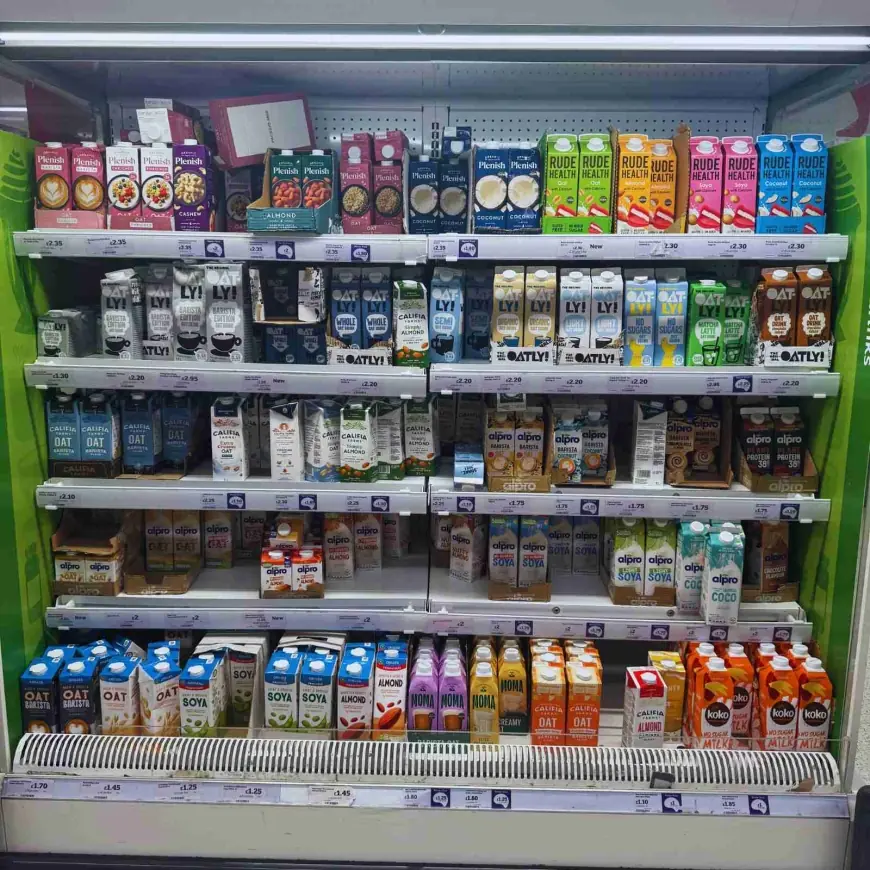
| Retail availability | Widely stocked in major supermarkets |
| Coffee industry use | High adoption in cafés nationwide |
| Regulatory pressure | Focused on labeling and nutrition compliance |
Industry analysts note that while headlines use the word “ban,” most policy discussions focus on regulation rather than elimination.
Environmental and Health Debate
Beyond labeling, the oat milk ban conversation has revived broader debates about environmental impact and health comparisons.
Supporters highlight:
-
Lower greenhouse gas emissions compared to dairy
-
Reduced water use
-
Appeal to plant-based diets
Opponents argue:
-
Lower natural protein content
-
Potential added sugars in flavored varieties
-
Consumer confusion over nutritional equivalency
These competing narratives have intensified lobbying efforts on both sides.
Is an Oat Milk Ban Likely?
At this stage, a sweeping nationwide oat milk ban appears unlikely. Most proposals involve:
-
Adjusting labeling rules
-
Tightening school nutrition compliance
-
Clarifying advertising standards
Regulatory agencies have not announced a full prohibition on retail oat milk sales.
However, the debate reflects broader tensions between traditional agriculture sectors and rapidly expanding plant-based markets.
What Happens Next?
Lawmakers are expected to continue reviewing public comments and industry input in the coming months. Any finalized regulations would likely include transition periods for manufacturers and institutions.
For consumers, oat milk remains widely available in grocery stores and coffee shops. But as regulatory conversations evolve, the phrase “oat milk ban” is likely to remain part of the public discourse.
The outcome could shape not only oat milk’s future, but also how alternative dairy products are regulated in an increasingly plant-forward marketplace.