






















Travelers Hit Hard as Guadalajara Chaos Halts Flights and Strands Passengers — Who Feels the Impact First

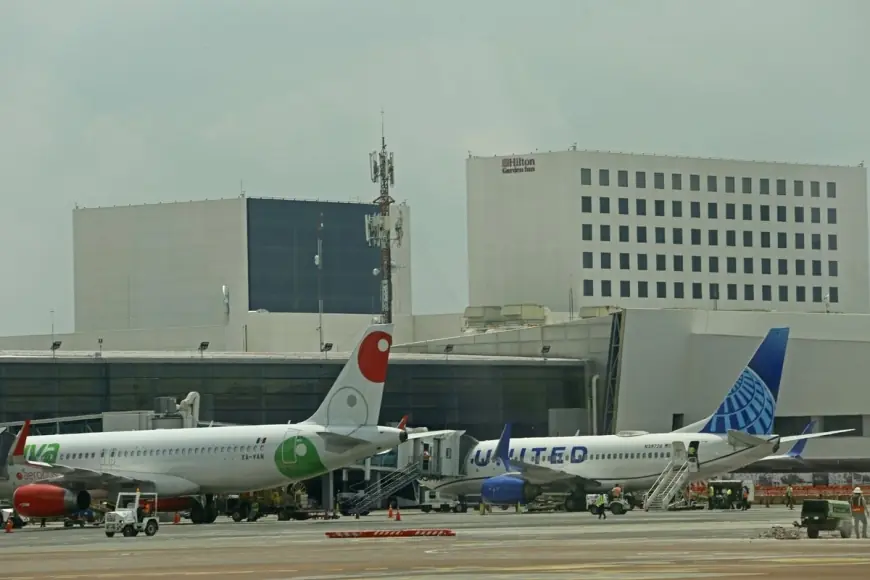
The immediate victims are travelers and regional transport operators: the confrontations between the Mexican army and the Cártel Jalisco Nueva Generación produced narcobloqueos that disrupted road access and air service to guadalajara and Puerto Vallarta. On February 22, cancellations and diversions left passengers stuck, bus runs paused and airport operations facing competing accounts of normal service versus panic inside terminals.
Who is affected right now and how the disruption plays out
Passengers bound for the two coastal and metropolitan destinations experienced the first tangible consequences: missed connections, airport crowding, and trouble reaching terminals because roads were blocked. Bus riders were also impacted by a partial stop in departures at the central camionera, where nearby shootouts impeded arrivals. Airlines posted advisories and airports urged extra travel time, folding land-traffic disruption into the wider travel breakdown.
Flight cancellations and diversions: counts, origins and scope
Air-traffic effects were extensive and specific. The Miguel Hidalgo y Costilla international airport had at least 32 cancelled arrivals on February 22; those flights had been scheduled from Mexican cities and the United States. The known breakdown for the cancelled flights to the Guadalajara airport included:
- From within Mexico: 6 from Ciudad de México, 3 from Monterrey, 3 from Puerto Vallarta, 2 from Tijuana, and 1 each from Villahermosa, La Paz, Cancún, Ixtapa/Zihuatanejo and Acapulco.
- From the United States: 4 from Los Ángeles, 2 from Fort Worth, 2 from Houston, 2 from San Francisco, and 1 each from Phoenix, Miami, Chicago and Las Vegas.
Puerto Vallarta’s Licenciado Gustavo Díaz Ordaz airport saw a larger set of disruptions: at least 69 cancelled flights, primarily international, with two additional flights diverted after midday Sunday. Cancellations scheduled for Puerto Vallarta included:
- Domestic: 5 from Guadalajara, 5 from Monterrey, 5 from Ciudad de México, 2 from Tijuana, and 1 each from Morelia, León, Querétaro and Ciudad Juárez.
- United States origins that did not depart: 3 from Los Ángeles, 3 from Dallas, 3 from Phoenix, 3 from Houston, 3 from Seattle, 3 from San Diego and 2 from San Francisco; flights from Salt Lake City, Chicago, Atlanta, Portland, San José, Santa Ana, Birmingham and New York also did not arrive.
- Canada: 5 from Vancouver, 2 from Edmonton, 2 from Winnipeg and 2 from Toronto; additional cancellations were listed from Calgary, Quebec, Victoria, Regina, Kelowna and Comox.
Guadalajara airport status, panic inside terminals and official posture
There are contrasting accounts of operations at Guadalajara’s terminal. The Grupo Aeroportuario del Pacífico (GAP), which administers the Miguel Hidalgo y Costilla airport, and the Gabinete de Seguridad stated the airport was operating without cancellations or internal security incidents and that facilities were under protection of the Guardia Nacional and the Secretaría de la Defensa Nacional with ongoing coordination. At the same time, shortly after 11 a. m. videos began circulating showing people running, hiding and being sent into waiting areas because of an alleged presence of armed men — a sequence GAP described as a psicosis that did not reflect the real situation. The central camionera of Guadalajara experienced a partial stoppage in bus departures because of road closures and nearby shootouts around the terminal in Tlaquepaque, limiting passenger arrivals.
Puerto Vallarta disruptions, burnings and unconfirmed prison incidents
In Puerto Vallarta there were reports of burned vehicles and businesses that restricted southern access the federal highway 200. Preliminary, unconfirmed accounts in various media described armed men clashing with custodians at the Ixtapa prison and freeing several inmates; those reports remain unconfirmed by authorities. Some circulating videos have been described as showing bodies outside the jail, but that material is extraoficial and has not been validated. Social networks amplified false or unverified posts, including a supposed threat attributed to the Cártel Jalisco Nueva Generación, which heightened public fear.
Practical steps, airline advisories and what travelers should do now
Airlines such as Viva Aerobus, Volaris and Aeroméxico issued social-media communications urging passengers to anticipate delays getting to airports because of road blockages. The Guadalajara airport also urged users to allow extra travel time, noting possible traffic alterations on the road to Chapala and asking for patience as conditions evolve. Here's the part that matters for travelers: expect schedule changes, verify your flight status, and build extra time into any trip to or from affected terminals.
- Implications: Cancelled and diverted flights have immediate ripple effects on connections, ground transport and local tourism demand.
- Who is directly impacted: airline passengers bound for guadalajara and Puerto Vallarta, bus passengers at Guadalajara’s central camionera, airport workers and regional ground-transport operators.
- Next signals that would clarify the situation: confirmed updates from airport authorities about resumed schedules, official validation or denial of the prison incidents, and a drop in road block reports.
Micro timeline: Feb 22 — confrontations between the army and CJNG created narcobloqueos and ended with the leader of the criminal group; shortly after 11 a. m. videos of panic circulated inside the Guadalajara airport; after midday Sunday dozens of international and domestic flights were cancelled and two were diverted to Puerto Vallarta. It’s easy to overlook, but official statements that operations continue can coexist with on-the-ground disruption driven by road closures and social-media-driven fear. Recent updates indicate details may evolve; travelers should monitor official airport channels for confirmed scheduling information.