






















Jalisco Mexico, jalisco mexico: How Nemesio Oseguera ‘El Mencho’ built a decade-long survival system

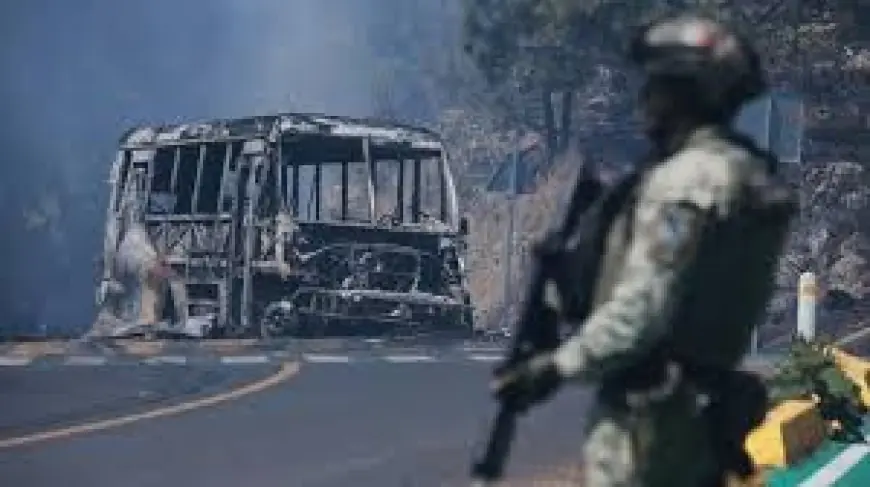
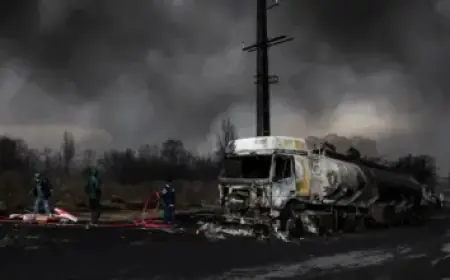
Nemesio Oseguera Cervantes, known as “El Mencho, ” developed over more than a decade a criminal survival system rooted in constant movement, strategic refuges and information networks across jalisco mexico. The profile has resurfaced alongside adjacent coverage headlined “Muere ‘El Mencho’, líder del CJNG, en operativo militar” and “Narcobloqueos y violencia en Jalisco y otros estados tras la muerte del ‘Mencho’. ”
Mobility, refuges and infiltrated networks in Jalisco Mexico
The piece describes a deliberate architecture: constant mobility, strategic shelters and information networks that kept Oseguera a step ahead. Internal reports are cited with the line “La constante no fue la suerte, sino la anticipación, ” and they say he received early warnings from support networks infiltrated in local corporations and government structures. The profile adds that he compromised military and federal communications, chiefly by breaching radio frequencies.
Security circles’ portrait: a capo “a salto de mata” and federal sightings
In security circles Oseguera was labeled a capo a salto de mata — compelled to change location permanently while managing to stay ahead of operations. Security and military sources agreed the leader of the Cártel Jalisco Nueva Generación (CJNG) was located on more than 20 occasions by federal forces, and in every one of those episodes he managed to escape.
Known strongholds: Villa Purificación, Los Altos de Jalisco, Zapopan and Ajijic
His map of refuges concentrated mainly in Jalisco. Villa Purificación is described as one of his best-known bastions, a mountainous area with limited access, a historical CJNG presence and communities under the cartel’s territorial influence. In Villa Purificación the profile recalls a 2015 failed federal operation that ended with the downing of a military helicopter, an episode that reinforced perceptions of Oseguera’s capacity for immediate response to state incursions.
Other corridors included Los Altos de Jalisco, where the group consolidated a logistical and social presence, and Zapopan, where the leader was located in residential zones said to host low-profile safe houses. Investigators also focused on Ajijic, on the shore of Chapala, where the capo reportedly maintained an affinity for stables and fine horses—an interest that matched his preference for ranch-style refuges.
Rural dispersal, urban hideouts and movement tactics
The profile sketches how dispersed ranches, rural roads and community support networks facilitated mobility. In those points, security reports say, Oseguera traveled in reduced convoys and changed routes frequently to avoid encirclement. Alternating between deep sierra and metropolitan areas—combining rural sanctuaries with urban residential safe houses—formed a deliberate strategy to complicate field intelligence.
What the profile leaves explicit and what remains unclear
The article compiles the architecture of his evasion: mobility, infiltrations, compromised communications, specific strongholds and a preference for ranch-style refuges and horses. The piece includes linked headlines that assert his death and post-event violence, but specifics beyond those linked titles are unclear in the provided context.