

















John Davidson’s Involuntary Outbursts Shift the Tone of the BAFTA Night — Who Felt It First and How the Ceremony Responded

When john davidson’s tics and involuntary shouts surfaced repeatedly during the BAFTA Film Awards, the immediate impact landed first on the room — presenters, winners and the live audience, which included the Prince and Princess of Wales. Host Alan Cumming asked for understanding and framed the outbursts as part of how Tourette’s can present, while the night continued to deliver major wins for films and actors connected to Davidson’s story.
John Davidson’s presence: immediate consequences for attendees and the ceremony
Here’s the part that matters: the outbursts interrupted speeches and acceptance moments, forcing front‑of‑house management, presenters and the host to respond in real time. Cumming thanked the audience for their understanding after several audible interruptions and later made a fuller statement explaining that Tourette’s is a disability and that the tics heard were involuntary; he added an apology for anyone who was offended. The floor manager had introduced John Davidson MBE before the start, warning the room that involuntary noises or movements might be heard.
It was understood that Davidson left of his own accord in the second half and was not asked to leave by the organizers. An earlier note stated that he was an invited guest and would not be asked to leave under any circumstances.
It’s easy to overlook, but the presence of a guest introduced in advance changed expectations in the room — and that altered how hosts and attendees reacted when outbursts occurred.
Event details and the moments the audience heard
Multiple distinct outbursts were audible during the broadcast event. During an introductory speech from the BAFTA chair Sara Putt, a shout of “shut the fuck up” was heard. When the directors of Boong accepted the BAFTA for best children’s and family film, a “fuck you” shout occurred. At another moment the audience heard Davidson shout the n‑word while Michael B, Jordan and Delroy Lindo presented the award for best visual effects to Avatar: Fire and Ash. Cumming addressed the room after those incidents, noting strong language could be part of how Tourette’s shows up for some people and thanking attendees for creating a respectful space.
How the night unfolded for the film connected to Davidson
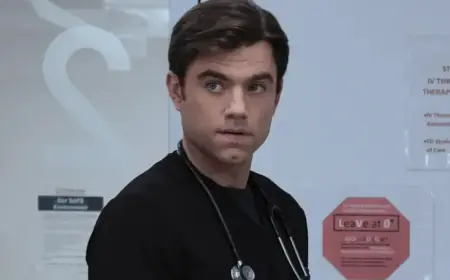
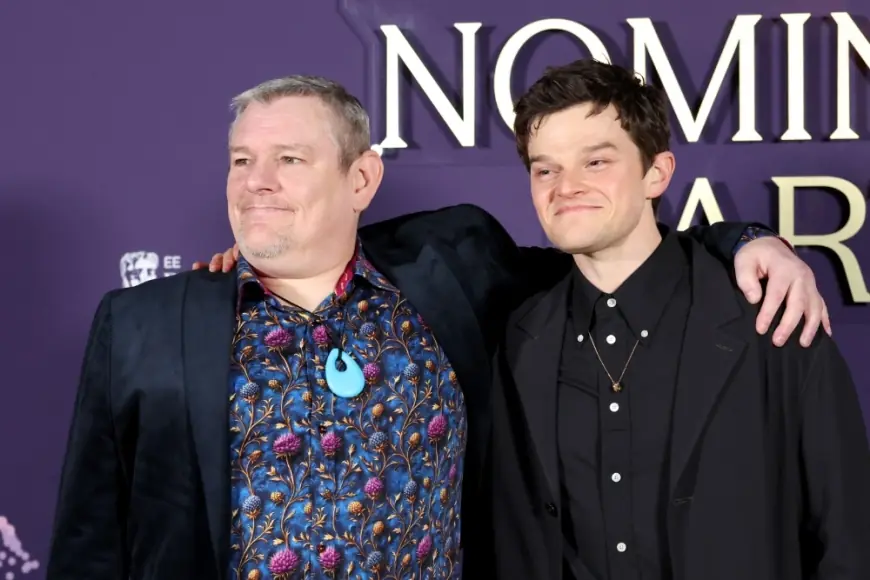
John Davidson is the inspiration for the BAFTA‑nominated film I Swear. The film follows him at age 25 after his appearance in the seminal documentary John’s Not Mad. I Swear features Robert Aramayo portraying Davidson and was directed, written and produced by Kirk Jones. The film was up for five BAFTAs, including best leading actor for Aramayo, best supporting actor for Peter Mullan, best original screenplay and casting; the casting award was among the wins. I Swear was also competing for outstanding British film.
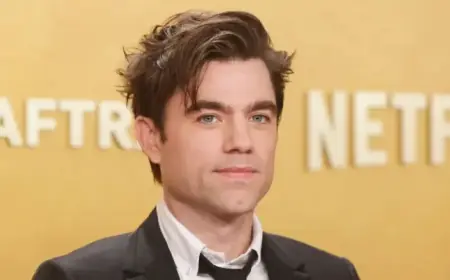
Robert Aramayo capped a strong night for British cinema by taking both best newcomer and best actor awards. Aramayo was also presented with the EE Rising Star award earlier in the evening; collecting that award he began to praise John Davidson as a remarkable man who is forthcoming with education and believes more needs to be learned about the condition (remarks truncated in the provided context).
Wider awards context and voting process that shaped winners
The ceremony delivered several headline outcomes across British cinema: One Battle After Another won best film and four additional prizes; Hamnet saw Jessie Buckley take best actress; Sinners won three of its thirteen nominations including original screenplay and a supporting actress win for Wunmi Mosaku. Observers noted that Aramayo and Wunmi Mosaku broke a British acting dry spell after four years, while big names such as Timothée Chalamet, Paul Mescal and Leonardo DiCaprio missed out.
Nominees had been announced on 27 January. The winners are chosen after three rounds of voting: round one produces the long list, round two decides final nominations and round three determines the winners. The voting process varies by category — for best film all voters take part in every round, while leading actor and actress categories involve an acting chapter in the early rounds alongside a long‑listing jury in round one before all voters decide the final winners.
Broadcast, editing and what changed for viewers
Organizers did not provide a public response about whether the outbursts would be edited from the delayed broadcast, which is transmitted with a two‑hour delay in the U. K. and on international feeds. The audible incidents were not present in the second half of the ceremony after Davidson had left the room. Earlier in the evening, the floor manager’s introduction explicitly asked the audience to be aware that involuntary noises or movements might occur.
- Who felt the impact first: presenters on stage, winners accepting awards, and the in‑room audience (including the Prince and Princess of Wales).
- How the ceremony adapted: the host issued contextual remarks and an apology for anyone offended; the guest left of his own accord before the later segments.
- What confirms the next turn: if the broadcast edit is changed or further statements are made, that will clarify how organizers intend to handle similar situations going forward.
The real question now is whether this sequence prompts different pre‑event briefings or on‑site accommodations for guests whose conditions can produce involuntary outbursts.