



















Major Lazer Headlines Verona Finale as Milan‑Cortina Closing Ripple Through Local Streets and Team GB’s Breakthrough

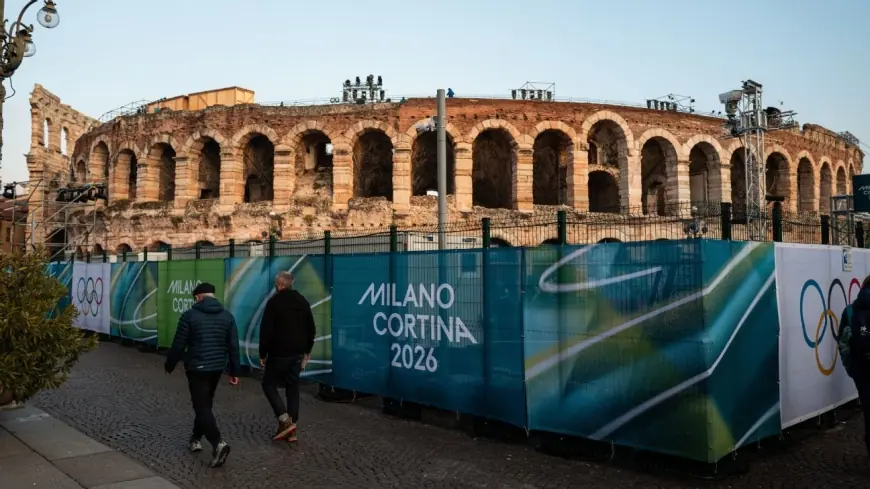
This mattered first for Verona residents and competitors. The Milan‑Cortina 2026 Winter Olympics ended with a closing ceremony in the ancient Verona Olympic Arena that left a visible local footprint: large crowds, high ticket prices, a march of dissent and high-profile performances — including major lazer — alongside a celebration of Team GB’s best Winter Games. The moment reshuffled attention from sporting results to on‑the‑ground impacts.
Immediate impact: who felt it in the arena and on the streets
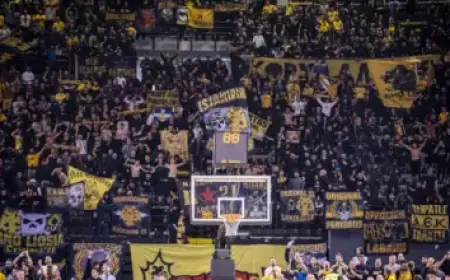
Here’s the part that matters: Verona saw both celebration and protest within hours. Hundreds marched a few hours before the ceremony under the banner “Olympics? No thanks, ” saying the Games drove up housing costs, damaged fragile land and widened inequality. Protesters spent around two hours outside the security perimeter, moving from the 16th‑century Porta Palio to the 19th‑century Arsenal Square, and briefly stopped at the point closest to the red zone, asking to enter but remaining outside.
Ticketing was a flashpoint: prices for the ceremony ranged from 950 euros to 2, 900 euros. Activists painted the road with the slogan “FIVE CIRCLES, A THOUSAND DEBTS, ” and several marchers wore keffiyeh scarves and waved Palestinian flags. Verona’s mayor Damiano Tommasi warned that high‑profile events can attract groups seeking visibility and that heightened security was appropriate. Earlier in the Games a much larger demonstration in Milan drew nearly 10, 000 people and later turned violent.
Major Lazer and the closing programme
The ceremony opened with a tribute to classic Italian opera and a salute to Italian film music. Flagbearers for the 92 competing nations entered through large props from Aida; the Olympic "Drop of Fire" — the flame carried in a small glass vessel — was brought into the ancient arena to light the rings. While Olympic protocol calls for athletes to enter mixed together, participants in Verona largely marched in national groups.
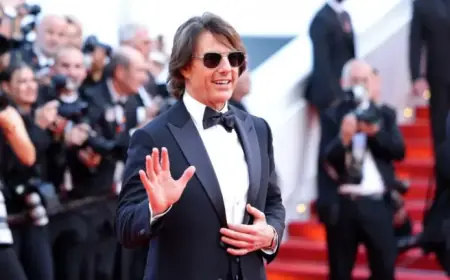
The finale included performances from popular Italian musicians Major Lazer and singer‑songwriter Achille Lauro; major lazer’s set closed a program that also paid tribute to the Games volunteers. Organisers framed the finale around cultural touchstones and a theme described as "Beauty in Action. " The amphitheatre itself — built in 30 AD and described as Italy’s third‑largest Roman amphitheatre — provided the backdrop, and it is scheduled to host the 2026 Winter Paralympic Games opening ceremony in March. The site sits about a two‑hour drive from Milan and roughly three hours from Cortina d'Ampezzo.
Sporting wrap: Team GB’s historic medal haul and other results
The closing marked the end of 16 days and 116 medal events. Team GB finished its most successful Winter Games to date, winning five medals including three golds and placing 15th overall; Britain had never previously won more than one gold at a Games. Highlights for Team GB included:
- Matt Weston, male flagbearer, who won two golds in skeleton — the men's event and a team competition with Tabby Stoeker (spelling unclear in the provided context).
- Charlotte Bankes, female flagbearer, who won gold in the team snowboard cross with Huw Nightingale; that event was the first Winter Olympic event on snow won by British athletes.
- Silver in the men's curling team event.
- Zoe Atkin claimed bronze in the women's ski halfpipe on the final day.
Other notable results included Lucas Pinheiro Braathen of Brazil taking the men's giant slalom title, recorded as a first Winter Olympic gold for a South American nation.
Timing, logistics and a few unresolved details
The ceremony was scheduled in Verona’s ancient Roman arena; published times differ in the available information (one listing gives a 7: 30 p. m. GMT start with build‑up from 7 p. m., another notes an 8: 30 p. m. local start noted as 1930 GMT), so the exact public start time is unclear in the provided context. Final medals were awarded earlier in the day in the women's and men's 50km mass start cross‑country skiing events, followed by the volunteers tribute.
What’s easy to miss is how many distinct threads converged on the same evening: an ancient amphitheatre turned stadium, high ticket prices, a visible protest route and a celebration of national sporting firsts.
Short notes and wider echoes from the fortnight
- Knight now holds the U. S. women's hockey record for most career goals in the Olympics.
- Bates has cemented an ice dance legacy with partner Madison Chock.
- Figure skater Liu secured dual Olympic gold and is described as not ready to retire; references to the 2030 Games note they are a long way out.
- Commentary in the material notes an already difficult season for Tyrese Haliburton has worsened, and that the "tush push" rule should make it safely into the 2026 campaign.
These closing moments leave two clear takeaways: local communities will be dealing with the social and environmental aftermath of hosting, while athletes and teams head home with career‑defining results. The real question now is how local debate over costs, infrastructure and legacy will evolve as the Paralympic ceremonies use the same Verona stage in March.