
















Military operation that killed 'El Mencho' sends smoke and fear to Puerto Vallarta

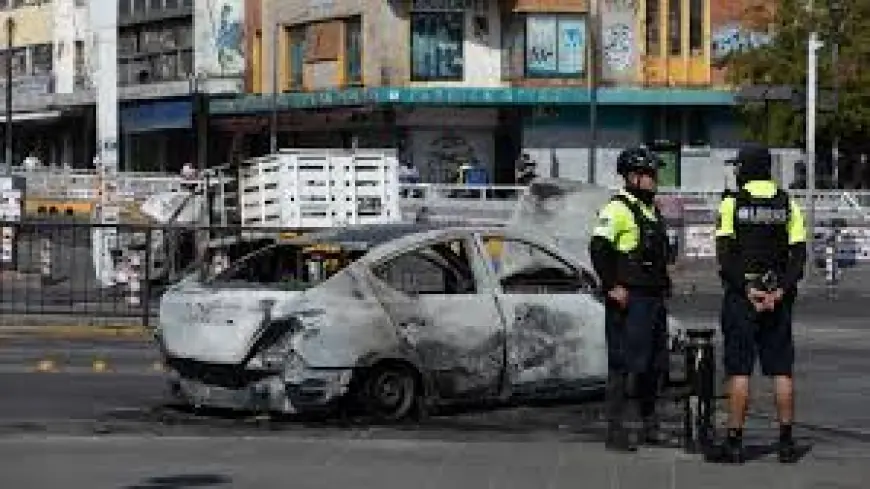
The Mexican Army says it killed Nemesio Oseguera Cervantes, known as "El Mencho, " after an operation at dawn on Sunday in Tapalpa, Jalisco, an outcome that immediately triggered a wave of blockades, burned vehicles and attacks that reached puerto vallarta and other cities popular with tourists.
What happened in Tapalpa and who died
The Secretariat of National Defense (Sedena) said forces engaged "El Mencho, " the 59‑year‑old leader of the Cartel Jalisco Nueva Generación (CJNG), in an operation led by Army Special Forces supported by Air Force aircraft and the Guardia Nacional's Fuerza Especial de Reacción Inmediata. Sedena said personnel were attacked during the operation and repelled that aggression.
Accounts differ on the count of cartel dead: one statement said six other cartel members died in the operation, while Sedena's detailed breakdown cited four killed at the scene and three more who were gravely injured and died later while being transported to Mexico City — among the latter, "El Mencho. " Three military personnel were wounded and moved to a Mexico City hospital for emergency care.
Puerto Vallarta images and disruptions
Dense columns of smoke and images of burned vehicles circulated from puerto vallarta and from Guadalajara, where witnesses also described armed men in the streets and reports of detonations near airport and bus terminals. Authorities said terminals were not closed, but several airlines canceled flights until security could be guaranteed.
Weapons seized, detentions and wider security mobilization
Sedena said the operation seized armored vehicles and weapons, including rocket launchers capable of downing aircraft and destroying vehicles. The action also led to the detention of two additional CJNG members and involved contributions from the Centro Nacional de Inteligencia and the Fiscalía General (FEMDO). Elements of the Guardia Nacional and Army troops from the center of the country and neighboring states were mobilized to reinforce security in Jalisco.
Blockades, attacks on businesses and official guidance
Following word of the leader's death, authorities and witnesses documented narcoblockades and the burning of vehicles and businesses across multiple states. Those named in official and press accounts include Jalisco, Michoacán, Guanajuato, Guerrero, Puebla, Baja California, Tamaulipas, Nayarit, Colima, Hidalgo, Sinaloa, the State of Mexico and Querétaro. In several cities, attacks targeted pharmacies and stores — a tactic long used to retaliate against state forces.
The governor of Jalisco, Pablo Lemus, confirmed "enfrentamientos en la zona" and said individuals had burned and blocked vehicles to hinder authorities; he recommended people avoid going out unless necessary. The state government asked residents to stay home, suspended public transport, halted in‑person classes for the following day and canceled mass events. At least ten entities announced suspension of in‑person basic education classes for Monday as a protective measure.
The Secretariat of Infrastructure, Communications and Transport issued an alert for incidents on highways in six states and asked drivers to seek alternate routes. that, as of Sunday afternoon, there were no reports of injuries or deaths from the retaliatory attacks affecting the public.
U. S. cooperation and international reaction
Sedena said the operation included intelligence coordination with United States authorities, who provided complementary information for planning and execution. U. S. Deputy Secretary of State Christopher Landau called the outcome "an important event for Mexico, United States, Latin America and the world, " and added in Spanish: "Los buenos somos más que los malos. Felicidades a las fuerzas de orden público de la gran nación mexicana. " Minutes later he said he followed the scenes of violence with "great sadness and concern, " adding that the reaction of organized crime "does not surprise" him and warning that "we must not falter. "
Images from Guadalajara — one of the host cities for the upcoming World Cup in less than four months — and puerto vallarta fed public alarm and drew comparisons on social networks to past episodes of cartel retaliation. Authorities in border and neighboring states set up security tables and issued alerts against the risk that violence could spread.
Next confirmed developments include the continued deployment of National Guard and Army elements to reinforce security in the center of the country, the suspension of in‑person classes in multiple states for Monday and ongoing airport and road alerts while authorities work to clear blockades and secure affected routes.