




















How Much Is A Gold Medal Worth as Precious-Metal Prices Reshape Olympic Value

The jump in gold and silver prices has changed the arithmetic on Olympic hardware, and the question of how much is a gold medal worth matters in fresh ways. Because modern gold medals are mostly silver with just a sliver of gold, the spike in metal markets has doubled their raw "melt" value since the last Summer Games, but sale prices still vary wildly when history or provenance enters the picture.
How Much Is A Gold Medal Worth — the market shift that matters now
For buyers and owners, the immediate effect is a mechanically higher base value: higher spot prices for gold and silver raise the replacement and melt figures for every first-place medal. Estimates in recent coverage place typical melt values in the low thousands of dollars, with figures cited in a range roughly between $2, 000 and $2, 500. The February 2026 gold price surge — reaching about $5, 054 per ounce — and a silver price near $83 an ounce are central to that shift. Because each gold medal contains only a small quantity of fine gold and a much larger silver component, movements in both metals influence the total.
Here's the part that matters if you follow auctions or host-city budgets: while melt value now sits higher than in 2024, collectible premiums still dwarf metal alone when a medal carries historic weight. Athletic memorabilia markets have shown that provenance can turn a few thousand dollars of metal into six- or seven-figure sales.
Medal composition, recent numbers and the headlines around 2026
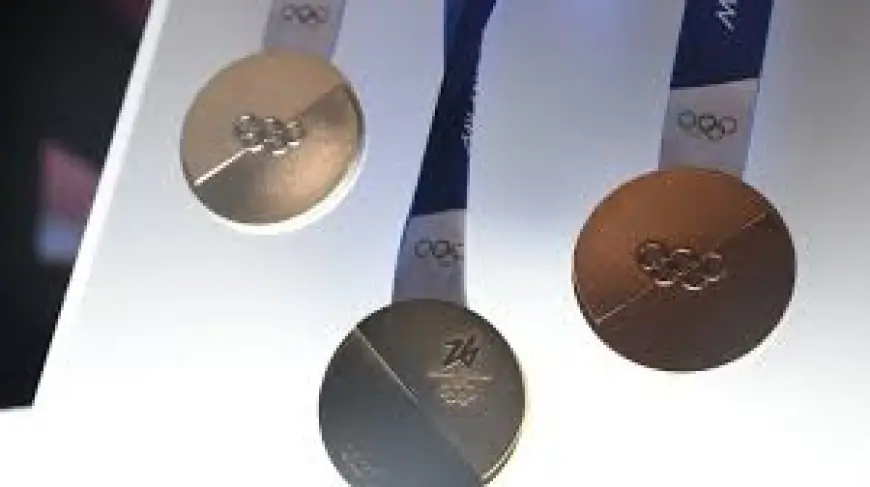
Modern Olympic gold medals are not solid gold. The governing rules set a minimum: first-place medals must include at least six grams of fine gold and be based on silver with a purity close to 92. 5 percent. That structure means a gold medal is primarily a silver object with a thin overlay of gold content. The typical hardware is often described in ounces for market math; one summary notes a medal contains about 0. 2 troy ounces of gold equivalent for valuation purposes.
Practical consequences showed up during the 2026 Winter Games cycle. Organizers unveiled a new two-part design in mid-2025. Separately, several athletes reported that their medals had separated from their cords after being awarded; a few instances were publicized involving figure skaters and alpine competitors, and at least one medal was described as unexpectedly heavy before breaking. These durability stories underscored that medals function as both fragile keepsakes and metal assets.
- Historic sales show the range: certain famous medals have sold for exceptionally high sums—well beyond metal—while most medals traded primarily for their melt value fall into the low-thousands bracket.
- Material composition summary: at least 6 grams of fine gold, and silver of about 92. 5% purity; bronze medals use a copper-based alloy.
- Market snapshot: gold at about $5, 054/oz and silver near $83/oz in early 2026 changed the baseline valuation compared with prior Games.
It’s easy to overlook, but the production side also affects value: some Games emphasized sustainable or recycled metals in their runs, which changes sourcing but not the core composition rules. The real test will be whether elevated metal prices keep pushing melt values up or whether collectibles premiums dominate headlines when notable medals appear for sale.
A short timeline of context:
- Since 1912: gold medals have not been made entirely of pure gold, shifting the focus to silver-based construction.
- Paris 2024: melt-value baselines used by analysts before the more recent price jumps.
- February 2026: a noticeable spike in the gold price raised medal melt-value estimates and focused attention on medal composition and market math.
What changes because of this? Collectors and auction houses will reassess reserves and estimates; host committees and designers may factor in durability and material sourcing; individual athletes who keep or sell medals can expect higher baseline values but still depend on provenance for outsized returns.
What’s easy to miss is that the sentimental and historical value of a medal usually outweighs its metal cost—only a handful of medals tied to landmark moments have ever reached six-figure auction levels, while the rest chiefly reflect the market price of silver and a small gold component.
If you’re wondering why this keeps coming up: rising precious-metal prices change a straightforward commodity calculation into a broader conversation about preservation, provenance and how Olympic hardware is treated after the podium.