
















Alex Ovechkin Isn’t Watching the Olympics — The Immediate Impact on His Olympic Dream and His Club

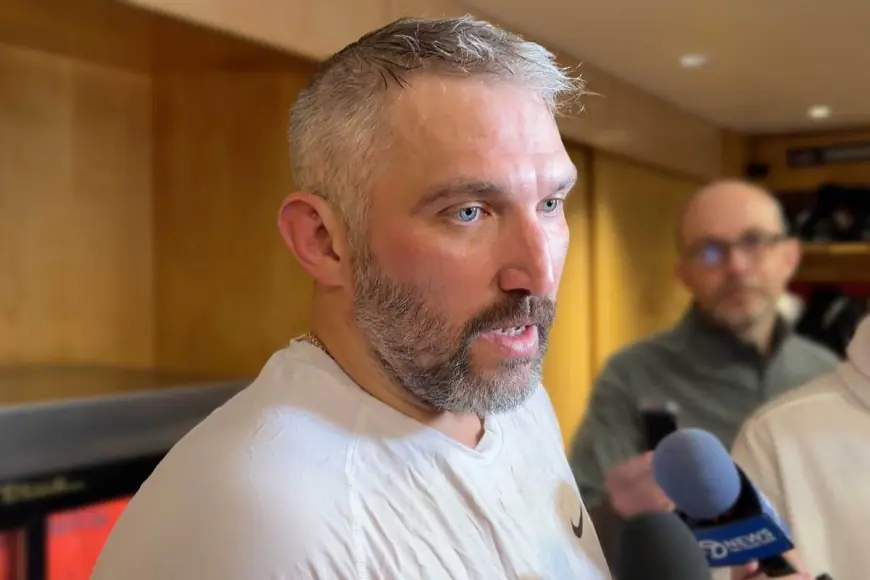
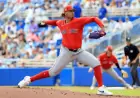
Who feels the first ripple? For alex ovechkin, the personal cost is front and center: after a family vacation he made it clear he is not tuning in to Olympic hockey while his country remains barred. That choice — a quiet withdrawal rather than public protest — lands differently inside his locker room, where several teammates are still in the tournament and the broader ban on Russian athletes continues through the 2026–27 season.
Alex Ovechkin: short-term signals and who is affected most
Here’s the part that matters for readers tracking player morale and team dynamics: Ovechkin’s decision not to watch reflects how the Olympic ban reverberates beyond national pride and into individual routines. His longstanding aim to finish a career with both a Stanley Cup and Olympic gold now reads as an open-ended loss on the personal ledger. Meanwhile, teammates who are in the Olympic field face the opposite experience — competing while some peers are sidelined by the ban.
- Ovechkin returned to practice after a week-plus break and spent that time in Dubai with his wife, Nastya, and their children, Sergei and Ilya.
- He described the break as restorative and said he avoided thinking about hockey or world events while away.
- He confirmed he had not been watching the Olympics and chose to end his media session early when asked about the tournament.
- The Russian ban on Olympic participation stems from the invasion of Ukraine and remains in effect through the 2026–27 season; it also excluded Russia from the recent 4 Nations Face Off.
- Three players from his club are still in the Olympic tournament, representing other countries — a juxtaposition inside the same organization.
It’s easy to overlook, but the dynamic is twofold: one group of players is competing on the international stage while another is forced into absence by a geopolitical decision that persists for multiple seasons. The emotional and practical effects are likely to show up in team conversations and schedules rather than headlines.
Event details in context: what happened at practice and why this matters now
Ovechkin returned to his club’s practice on a Tuesday and addressed reporters the following day after the vacation. He spent the leave with family and extended friends in Dubai and said the trip was worth the long flight. When asked whether he had been watching the Olympic hockey tournament, he responded that he had not and concluded his press availability shortly afterward. He likewise indicated he had not watched the 4 Nations Face Off, which also excluded Russian participation.
The ban on Russian athletes has kept the country off hockey’s national stage since February 2022 and will continue through the 2026–27 season. Players from Russia who hoped to compete at the Games have been affected directly; one peer noted the situation is sad for athletes who spend their lives chasing Olympic chances and expressed hope for a resolution that would allow their return.
Ovechkin’s Olympic history is narrow in recent years: he competed in three Games earlier in his career but has not participated since the Winter Games staged in Sochi. Across those appearances, an Olympic medal has not been part of his record, leaving the aspiration of combining an Olympic gold with a Stanley Cup unfinished.
What’s easy to miss is how this quiet stance — not watching the tournament — operates as both personal boundary-setting and a small public signal about where attention sits for him during this season. The real question now is whether that private distance will shape Ovechkin’s focus or how teammates orient themselves when international duty and club life collide.
Key forward indicators to watch for confirmation of the next shift include any change in his public comments about the Olympics, adjustments to team practice timing around medal games, or movement on the ban’s timeline. Recent updates indicate details may evolve, and the ban’s end date remains a fixed signpost for when the situation could change.