
























Quinn Hughes Overtime Winner Reshapes U.S. Olympic Trajectory — Slovakia Semifinal Becomes the New Crucible

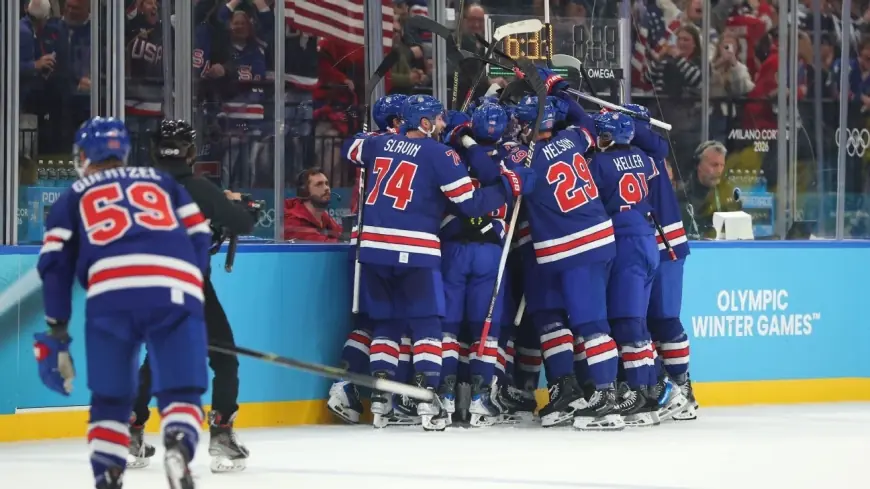
The immediate consequence is clear: quinn hughes' overtime goal moved the U. S. into the Olympic semifinal and replaced comfortable expectations with a single-elimination test against Slovakia. That one shot changed opponent, stakes and the kind of urgency the roster will need. Goaltending, late-game composure and matchup dynamics now matter more than group-stage positioning.
Quinn Hughes' winner alters matchup dynamics and pressure on the American roster
With the U. S. advancing, the team's path to the medal round now runs through Slovakia — a squad described in coverage as hot and dangerous despite not matching other semifinalists in star power. The victory removes any margin for error: the Americans will face a team that won a group containing both Sweden and Finland and then routed Germany to reach this stage. That combination of momentum and desperation compresses margin for tactical mistakes.
Here's the part that matters: this result shifts the matchup from what might have been a more familiar challenge to one where Slovakia's recent form and single-elimination mindset will test depth and discipline. Expect coaching adjustments around matchups, minutes for trusted players, and continued reliance on the goaltender who delivered a standout performance in the quarterfinal.
- Overtime resolution: The U. S. beat Sweden 2-1 when quinn hughes scored in overtime after Sweden tied the game late in regulation.
- Late regulation twist: Sweden's tying goal came with 91 seconds remaining, forcing extra time.
- Goaltending anchor: The U. S. netminder stopped 28 of 29 shots faced, including several high-quality chances.
- Semifinal opponent: Slovakia advanced by winning a group that included Sweden and Finland and then routing Germany; they are described as fast, competitive and rolling.
What's easy to miss is how much the team's leadership steadied the group after the late equalizer, allowing the overtime unit to execute under pressure. That calming influence — not a single play — cleared the path for the decisive sequence in extra time.
Game particulars and immediate tactical takeaways
The decisive sequence unfolded in overtime when Hughes launched a high-quality shot past the Swedish goaltender to end the match 2-1. Earlier, Sweden's late goal erased the U. S. lead and forced sudden death, creating a momentum swing that the Americans had to overcome. The U. S. goalie made a string of important stops throughout the match, turning aside 28 of 29 shots and keeping the team within reach after the late equalizer.
On tactical implications: the Americans will need to prepare for a Slovakia opponent prized for energy and cohesion rather than sheer star depth. That suggests the U. S. may lean on its most reliable defensive pairings and on special teams execution, while managing ice time to preserve legs for an elimination-style semifinal — described by players as feeling like a Game 7 every night.
Micro timeline (sequence from the quarterfinal):
- Late regulation: Sweden scored with 91 seconds remaining to tie the game and force overtime.
- Overtime: quinn hughes scored more than three minutes into extra time to secure the 2-1 win.
- Postgame: The U. S. resets to face Slovakia in the semifinal, where intensity and urgency will be elevated.
The real question now is how the U. S. balances rest and preparation before the semifinal; the next game will demand both tactical clarity and emotional resilience. If execution matches the goaltending shown in the quarterfinal, the Americans retain a clear path — but Slovakia's recent run means complacency would be costly.
Key actions to watch as the tournament continues include adjustments to defensive matchups, how power-play minutes are distributed, and whether the coaching staff alters line usage to blunt Slovakia's speed. Those signals will indicate whether the U. S. is positioned to convert this momentum into a gold-medal opportunity.