


















Michigan Vs Duke: February nonconference showdown reshaping schedules

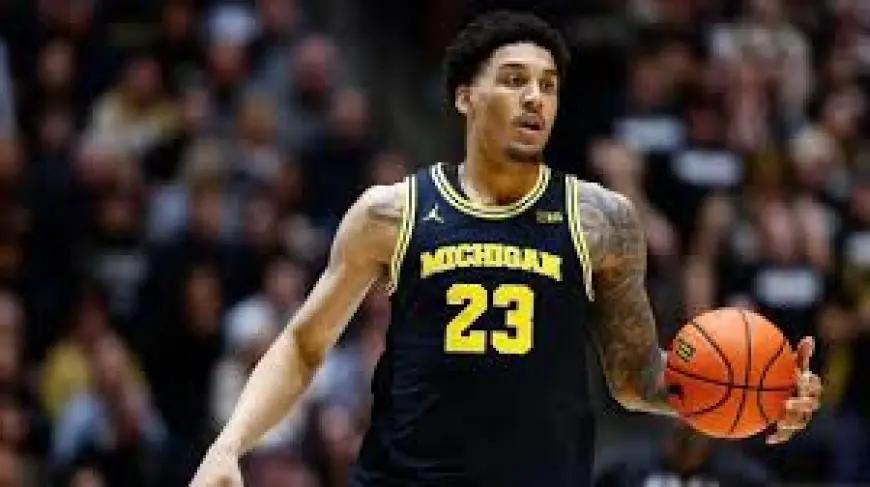
michigan vs duke is the marquee late nonconference matchup this weekend, with No. 1 Michigan meeting No. 3 Duke in Washington, D. C. The scheduling decision matters because coaches are increasingly interrupting conference play weeks before Selection Sunday to sharpen NCAA Tournament resumes.
Michigan Vs Duke set for Washington, D. C., seen as a possible Final Four preview
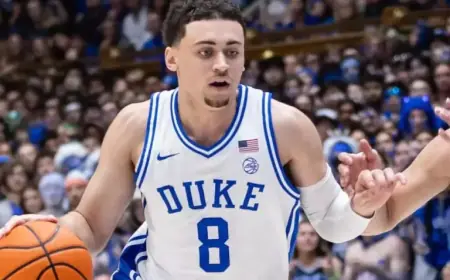
This weekend’s game pairs No. 1 Michigan against No. 3 Duke in Washington, D. C., a neutral-site collision that has been described as one that could easily serve as a Final Four preview and that has produced sky-high ticket prices. The prominence of this matchup underlines the shift toward high-stakes, out-of-conference tests late in the season.
Underwood fielded calls after Illinois’ 110-67 defeat by Duke and Cooper Flagg
Last summer Illinois coach Brad Underwood said his phone was ringing off the hook from other coaches seeking insight after the Illini’s most lopsided loss last season, a 110-67 defeat at the hands of Duke and Cooper Flagg. Coaches from across college basketball — including Dusty May of Michigan and Jake Diebler of Ohio State — pressed Underwood for perspective. May recalled asking, “Would you still play it?” and Underwood answered, “100 times out of 100. ” Underwood is now in his ninth season at Illinois.
Recent February clashes show the trend already under way
Last weekend provided examples of the movement: Louisville, an ACC team, defeated Baylor of the Big 12 in Fort Worth, Texas, and Virginia, also from the ACC, outlasted Ohio State of the Big Ten in the Nashville Hoops Showdown in Tennessee on the same day. A photograph credit in the reporting was given to Sarah Stier.
Coaches say late nonconference tests simulate March conditions
Virginia coach Ryan Odom framed the approach as preparation: “You’re prepping for a different style, a different conference, ” he said, adding that those matchups give “that NCAA Tournament feel. ” Coaches argue that playing unfamiliar opponents in neutral settings mimics the scouting and preparation pressure of the NCAA Tournament and gives teams a change of pace late in the season. Jake Diebler described it as “The change of pace, ” saying teams “get a chance to do that in February, get a rep of that in preparation for the postseason. ”
Conference scouting, seed-line concerns and calendar history
Historically, nonconference games were scheduled in November and December before teams pivoted to league play, though outliers such as BracketBusters — a series of February games between mid-majors — and the Big 12-SEC Challenge, which was played in late January from 2016 through 2022, have existed. The new wave is driven in part by coaches seeking to strengthen resumes and seed lines: conference realignment has produced super-sized leagues with expanded, and in some cases watered-down, conference schedules that can make it harder to build a March résumé.
The emphasis on varied opposition reflects differences in conference scouting. Conference play often focuses on personnel and program styles; long-tenured coaches such as Underwood know their league’s tendencies. Big 12 teams, for example, expect Kelvin Sampson and Houston to blitz ball screens. ACC opponents have come to expect the tremendous positional length of Duke and Jon Scheyer’s teams. And many inside the Big Ten point to the physicality of Michigan State’s defense under Tom Izzo. Because the NCAA Tournament presents short turnarounds and unfamiliar opponents, simulating that scouting process in-season is seen as beneficial for both coaches and players and as a way to help teams qualify and improve seed lines.
An unfinished note on Duke last season
The provided material includes a sentence fragment that begins, “Take Duke last season. The Blue Devils, who went on t” — unclear in the provided context what follows from that fragment.