





















Nancy Guthrie Update: Tucson Search Enters New Phase as Investigators Zero In on Masked Suspect Footage and DNA Leads

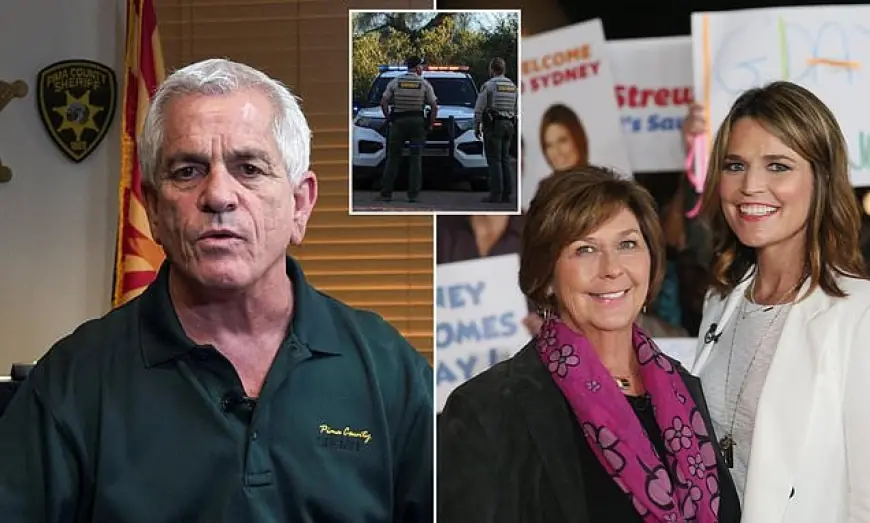
The search for 84-year-old Nancy Guthrie in the Tucson area is shifting into a new phase as investigators continue treating her disappearance as a likely abduction but acknowledge that weeks of intense field operations have not yet produced a confirmed location, an arrest, or a verified motive. Authorities say the case remains active and staffed, with specialized teams focusing on doorbell-camera evidence, forensic testing, and a narrow set of behavioral clues tied to a masked suspect seen near her home in the early hours of Sunday, February 1, 2026 ET.
Guthrie was last known to be at her residence on Saturday, January 31, 2026 ET. Investigators have emphasized medical urgency in public briefings, noting she relies on daily medication and has heart-related health needs.
What happened: the timeline investigators keep returning to
Authorities say the critical window centers on the overnight period from January 31 into February 1, when a masked, armed individual was captured on doorbell footage approaching the home and appearing to tamper with security equipment. Investigators have pointed to indicators suggesting the suspect attempted to obscure cameras and may have removed or disabled at least one device during the incident.
Forensics teams later collected evidence from the property, including DNA that officials say does not match Guthrie or her known close contacts. Investigators have also cited a minimal amount of blood found at or near the porch area as part of the initial evidence picture. That detail has fueled public alarm, but authorities have been careful to avoid drawing conclusions about what it means for her condition.
The latest update: “new phase” does not mean “case cooling”
In recent briefings, law enforcement has signaled a tactical shift: fewer broad, high-visibility searches and more targeted investigative work, including re-interviews, digital forensics, and focused follow-ups on tips. Officials have pushed back on the idea that resources are being cut, describing the changes as a reallocation based on what the evidence is now suggesting rather than a step back from the case.
This kind of transition is common in complex missing-person investigations once the initial surge of neighborhood canvassing, ground searches, and rapid tip triage has been exhausted. It is not a sign the case is being closed. It is a sign investigators are trying to make the next break happen through precision, not volume.
What investigators are focusing on: suspect description, gear, and trace evidence
Authorities continue to emphasize the importance of identifying the person shown in the doorbell footage. Publicly discussed details have included the suspect’s approximate height and build and the presence of distinctive gear. One item repeatedly highlighted is a black hiking-style pack seen with the suspect, which investigators believe could help narrow identification if someone recognizes it or has seen a similar setup in the area.
Investigators are also awaiting additional forensic results tied to the DNA collected at the scene. Even partial profiles can be valuable when combined with other data points, such as known offenders, prior incidents in the region, and patterns of similar behavior.
Meanwhile, the case has drawn heavy tip volume and an expanding reward pool. Authorities have encouraged the public to continue sending information but have warned that rumor-driven “breaks” can distract from verifiable leads.
Behind the headline: what’s driving the case, and what’s complicating it
Context matters here because the case sits at the intersection of three realities:
First, abduction-style evidence often creates urgency without clarity. Video of a masked intruder can confirm criminal intent while still leaving the core questions unanswered: why this person, why this home, why this night.
Second, incentives shape the suspect’s behavior. If this was targeted, the planning suggests knowledge of the household and its routines. If it was opportunistic, the suspect may have been surprised by resistance, cameras, or time pressure, which can explain the hurried attempts to obscure footage.
Third, the case’s visibility cuts both ways. Public attention increases tips and resources, but it also amplifies false leads, impersonators, and unverified claims. Investigators have had to spend time separating noise from signal while still moving quickly.
Stakeholders include Guthrie’s family, neighbors anxious about safety, and law enforcement balancing transparency with operational security. Every detail released can help the public identify a suspect, but it can also help the suspect adapt.
What we still don’t know
Several critical pieces remain unresolved and will likely determine the investigation’s direction:
-
Whether investigators have confirmed a single suspect or are still evaluating multiple persons of interest
-
Whether the DNA evidence produces a match or simply narrows the field
-
Whether any alleged communications, including rumored ransom demands, are authentic. Authorities have not confirmed proof of life tied to those claims
-
Whether there was an accomplice, given the possibility of camera tampering and the complexity of moving someone quickly
What happens next: realistic scenarios and triggers
-
A breakthrough identification if clearer footage, a tip about the suspect’s gear, or a match to trace evidence narrows the suspect pool dramatically.
-
Arrests tied to forensic progress if DNA results connect to an individual with a known history or to a separate investigation.
-
A renewed public-facing push if investigators believe someone locally recognizes the suspect but has not come forward.
-
A shift toward organized-crime or broader-network theories only if evidence supports coordinated planning. Without that, officials are likely to treat such claims as unconfirmed.
-
Continued targeted searches based on new tips, especially if digital evidence or witness reports pinpoint a vehicle, route, or secondary location.
For now, the core update is this: the investigation remains active, the search strategy is evolving, and officials are prioritizing suspect identification, forensic results, and verifiable tips over broad-area operations. The next meaningful public milestone will likely be either a confirmed suspect lead, a forensic match, or a defined timeline of events that investigators can stand behind without caveats.