












How Peter Kay’s green light turned a five‑minute Phoenix Nights cameo into a sustained stand‑up phenomenon

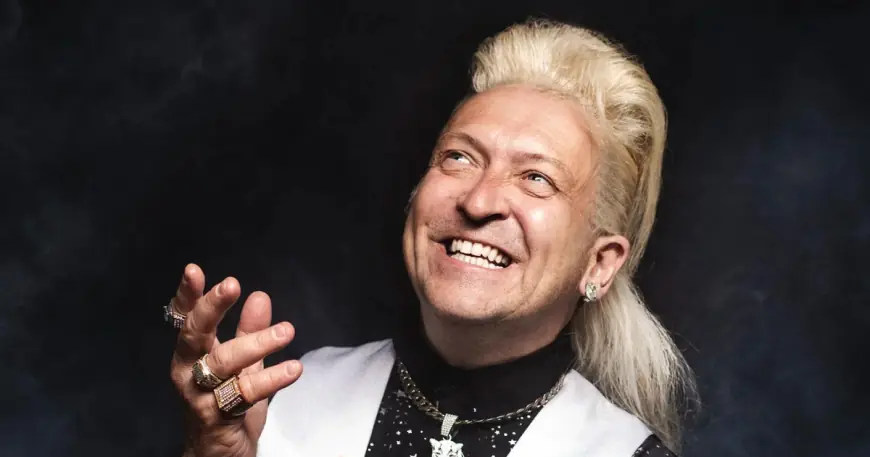
Why this matters now: a single creative decision reshaped a comedian’s career path and shows how a TV moment can become a durable live attraction. Alex Lowe credits peter kay for allowing him to keep performing Clinton Baptiste after the series ended, and that permission is the throughline for a successful stand‑up identity, extended tours, ongoing advice and persistent hopes for a revival.
How Peter Kay's sign‑off altered a career trajectory
Peter Kay gave Alex Lowe permission to continue using the Clinton Baptiste character once the series finished, a choice Lowe says launched his stand‑up trajectory. That green light converted a brief TV cameo into a fully formed performance persona that Lowe has developed for more than two decades, and he describes feeling eternally grateful for that initial approval.
The Phoenix Nights cameo and the character's origins
The Clinton Baptiste role began as an eccentric psychic in a popular Northern comedy series; the character occupied roughly five minutes of screen time during the show’s original run. It has been 25 years since that series first aired, and Lowe says he has given the character a backstory and much more depth in the years since to make the act work onstage.
Touring, format and why audiences keep turning up
Alex Lowe takes Clinton Baptiste on nationwide live shows, and his most recent tour proved successful enough to be extended. He describes the live set as deliberately old‑fashioned and joke‑heavy, with audience readings forming a recurring bit. Despite the comfort of a set format, Lowe still experiences intense nerves onstage and says the anxiety has not eased with age.
- Character lifespan: roughly five minutes on the original series expanded into a decades‑long stand‑up vehicle.
- Development span: Lowe has been evolving Clinton across more than twenty years.
- Touring status: nationwide shows, with the most recent run extended due to strong response.
- Performance style: joke‑dense, interactive readings with the audience and intentionally retro fun.
Why a character gives license for edgier material
Playing a fictional persona lets Lowe push into near‑the‑knuckle humour that audiences are more willing to forgive. Clinton is presented as a buffoon, which Lowe uses as cover to deliver intentionally stupid or ironic lines that might land differently coming from the performer himself. The comic says fans accept that device, and it helps explain why the act remains popular.
It's easy to overlook, but that protective framing — being 'in character' — is a common tool for performers navigating boundary‑pushing material.
Ongoing relationship with his former co‑star and revival hopes
Lowe says he and Peter Kay remain friends and that they speak from time to time; Lowe listens closely to Kay’s creative advice, describing Kay as someone who knows how to pitch material and craft gags that land. While touring, Lowe still holds out hope the original series might return: he has no idea if there will be more, notes that the possibility gets mentioned repeatedly, and says he would be devastated if a revival happened and he wasn’t included.
Here’s the part that matters: the combination of that early permission, two decades of development, and a sustained live following is what turned a fleeting TV moment into a repeatable commercial act. The real question now is whether any future return of the series would change the live act’s shape or simply boost demand further.
Privacy policy snapshot included in context
The broader context supplied alongside this story also contained material from a major online service’s privacy policy. That policy frames the relationship between users and the service as one where users entrust the company with personal information and are offered controls to manage it. It explains the policy’s purpose: to outline what information is collected, why it’s collected, and how users can update, manage, export or delete that information.
The policy notes regional rules may apply if European or UK data‑protection law governs the processing, and it points readers to a dedicated section on European requirements for rights and compliance. It also describes options for adjusting privacy — from account settings to private browsing modes on devices — and emphasizes that the company provides explanatory materials like examples and definitions to help users make choices.
When users are not signed in, the policy says the service associates collected information with identifiers tied to the browser, app or device to preserve preferences across sessions. When signed in, additional data is stored with the user account and treated as personal information. Account creation generally requires a name and password, with optional phone or payment details. The policy also covers the collection of content users create or upload (emails, photos, documents, comments) and technical details about apps, browsers and devices used to access services; those details are used to power features such as automatic updates and battery‑aware adjustments.
What’s easy to miss is how different threads in the provided context intersect: one set of details tracks the slow build of a comedy persona into a live business, while the other outlines how digital platforms handle and describe personal data and user controls. Both pieces speak to permission — creative permission onstage and consent and control in digital life — and both influence how public figures and performers engage with audiences today.