




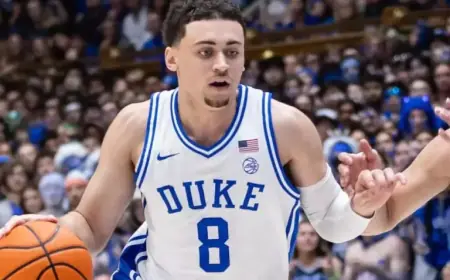

















Duke Vs Michigan headline late-season shift as marquee nonconference games interrupt league play

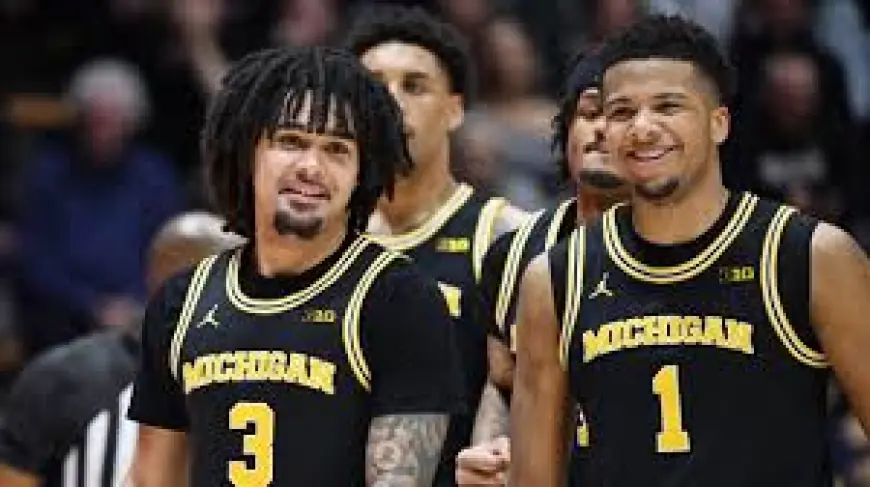
This weekend’s duke vs michigan matchup — a No. 1 vs. No. 3 neutral-site contest in Washington, D. C. — is the highest-profile example of a growing pattern: college programs are inserting big nonconference tests into February, weeks before Selection Sunday. The moves matter now because coaches are using these late-date games to simulate March conditions and to bolster NCAA Tournament résumés.
Duke Vs Michigan — Development details
The Washington, D. C., meeting pits No. 1 Michigan against No. 3 Duke on a weekend card that has generated sky-high ticket prices and been billed as a possible Final Four preview. The trend that produced this game traces back through specific late-season experiments: Duke’s 110-67 win over Illinois at Madison Square Garden in late February last season and a host of recent neutral-site showdowns. That 110-67 scoreline and the presence of freshman Cooper Flagg drew attention not for the margin but for the timing and location — Madison Square Garden in New York City — sparking questions among coaches about whether they would play such late nonconference dates again.
Last summer, Illinois coach Brad Underwood says his phone was “ringing off the hook” with inquiries from fellow coaches, including Michigan’s Dusty May and Ohio State’s Jake Diebler. When May asked Underwood whether he would still schedule the late-February neutral-site game, Underwood’s reply was succinct: "100 times out of 100. " A photograph credit in the public record cites Sarah Stier of Getty Images for coverage of the subject.
Context and escalation
Historically, nonconference games were clustered in November and December before teams pivoted fully to league play. Exceptions have existed — notably ’s BracketBusters series of February matchups among mid-majors and the Big 12-SEC Challenge, which was held in late January from 2016 through 2022. But a new wave of scheduling places marquee nonconference games in February as coaches purposefully seek unfamiliar opponents and neutral-site environments to prepare teams for postseason scouting and quick turnarounds.
Recent examples underline the escalation: Louisville, an ACC program, defeated Baylor of the Big 12 in Fort Worth, Texas, and Virginia, also of the ACC, outlasted Ohio State of the Big Ten in the Nashville Hoops Showdown in Tennessee. Those cross-conference results are being staged well into conference calendars rather than before them.
Immediate impact
Coaches and programs stand to gain practical benefits. Virginia coach Ryan Odom frames the rationale as preseasoning teams for the tournament: teams are "prepping for a different style, a different conference, " and getting an "NCAA Tournament feel" in February. Ohio State-affiliated coach Jake Diebler summed up the advantage as a change of pace: "The change of pace, " he said, "You get a chance to do that in February, get a rep of that in preparation for the postseason. "
The shift alters scouting and preparation within conferences. Intra-league familiarity — where Big 12 teams anticipate Kelvin Sampson’s Houston blitzing ball screens, ACC opponents expect Duke under Jon Scheyer to deploy tremendous positional length, and Big Ten rivals recognize the physicality Tom Izzo brings at Michigan State — is less helpful when a team must quickly game-plan for an unfamiliar style. Conference realignment has compounded the calculus: super-sized leagues with expanded schedules risk diluting the strength of regular conference slates, prompting programs to seek résumé-enhancing nonconference tests late in the season.
Concrete, recent impacts include neutral-site meetings in Fort Worth and Nashville, the high ticket demand for the Michigan–Duke matchup in Washington, D. C., and intensified coach-to-coach consultation about scheduling choices. Another distinct item present in the record carries the headline "429 Too Many Requests, " a separate notice in the coverage archive.
Forward outlook
Confirmed milestones and framing are clear: Selection Sunday remains the calendar anchor that drives this scheduling window, and this weekend’s Michigan–Duke game is a scheduled, neutral-site test intended to approximate tournament conditions. The Big 12-SEC Challenge’s late-January run from 2016 through 2022 and the historic BracketBusters February experiments are part of the recent timeline that informed current behavior. Take, for example, the fragmentary public record line about Duke last season: "The Blue Devils, who went on t" — unclear in the provided context.
What makes this notable is that these matchups compress meaningful résumé and preparation opportunities into a late-season slot that was once sacrosanct for conference play, giving coaches and teams a rare chance to rehearse the scouting and stylistic adjustments they will face in March while directly influencing seeding conversations and qualification paths.
Next on the calendar are the remaining weekend nonconference showdowns and the run-up to Selection Sunday; those events will offer measurable data on how effective late-season neutral-site testing is at converting into postseason success.