





















Bill Mazeroski’s Legacy Rewound: Defensive Brilliance and the 1960 World Series Swing That Still Resonates

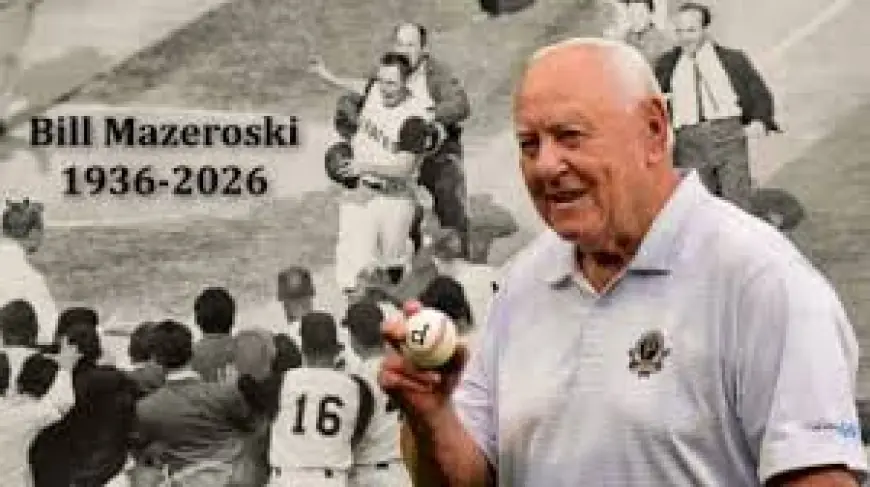
The passing of bill mazeroski shifts the conversation from one iconic moment to a full career that changed how baseball remembers defense. More than a famous Game 7 home run, his placement in the Hall of Fame and the later rise of defensive analysis have reoriented appreciation for players whose primary currency was fielding and fundamentals.
Bill Mazeroski — Why his career still reshapes how the game thinks about defense
Here’s the part that matters: Mazeroski’s reputation grew in two phases. First came the instant, dramatic memory of a World Series-winning swing that lives in the sport’s highlight reel. Later, statistical study and Hall of Fame recognition reframed his career as a model of defensive excellence. That two-stage legacy means his death is more than a moment of mourning; it is a moment to reassess how defensive value is recorded and celebrated.
What’s easy to miss is that the narrative arc—iconic moment to long-term reassessment—was confirmed by his Hall of Fame enshrinement and the defensive metrics discussed after his retirement. The real test will be how current and future fans and analysts keep that broader view alive.
Event details, career highlights and a concise timeline
Bill Mazeroski died at age 89 in Lansdale, Pa., on Feb. 20, 2026. He was remembered for a signature Game 7 home run in the 1960 World Series and for a defensive career that led to Hall of Fame membership as part of the Class of 2001. Mazeroski spent 17 seasons in the major leagues, collected 10 National League All-Star selections and won eight Gold Glove Awards before retiring after the 1972 season.
- Born: Sept. 5, 1936 (noted in remembrances).
- Signed with the Pittsburgh Pirates after high school graduation in 1954 and was converted from shortstop to second base.
- Reached the majors in July 1956 and was an All-Star and Gold Glove winner by 1958.
- Defining moment: Game 7 home run in the 1960 World Series.
- Enshrinement: inducted into the Hall of Fame as a Class of 2001 member.
- Retired following the 1972 season; passed away Feb. 20, 2026, in Lansdale, Pa., at age 89.
His career is a useful case study for people interested in how single plays and long-term performance interact. After retirement, defensive statistical analysis affirmed the on-field reputation that teammates and opponents had described for years, helping to cement his status among second basemen.
For fans, historians, and analysts, bill mazeroski's life frames a broader shift: the sport moved from memory-driven legends toward a data-supported appreciation of defense. That shift affects how players are evaluated today and how the sport curates its history.
Short timeline (quick reference):
- 1954 — Signed with Pittsburgh and transitioned from shortstop to second base.
- 1956 — Recalled to the major leagues in July.
- 1958 — Reached All-Star and Gold Glove status.
- 1960 — Delivered the Game 7 World Series home run that became his signature moment.
- 1972 — Retired from major-league play.
- 2001 — Inducted into the Hall of Fame.
- 2026 — Passed away at age 89.
Looking ahead, the immediate signals that will show sustained recognition are whether teams, museums, and analytic communities continue to highlight both his defensive records and the context of that World Series moment. The ways historians and broadcasters reference his career in coming seasons will indicate whether the dual narrative endures.
One last editorial aside: the bigger signal here is not just a single swing but the upgrade in how posterity measures players—Mazeroski’s path from dramatic hero to analytically validated defender is now part of the game’s evolving memory.