





















Duke Vs Michigan: Why a February nonconference clash is reshaping how coaches prep for March

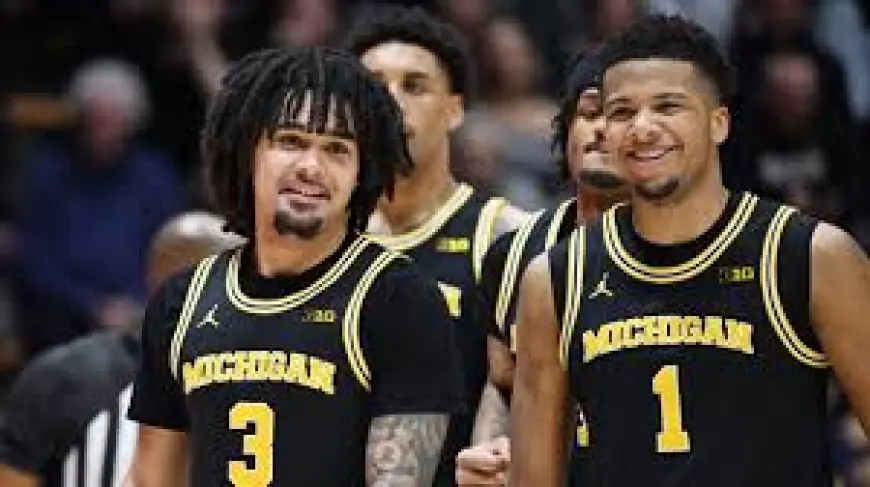
College basketball programs are deliberately breaking with tradition by scheduling high-stakes nonconference tests in February, and the headline attraction—Duke Vs Michigan—shows why. Coaches are using these late neutral-site matchups to simulate the NCAA Tournament scouting environment, sharpen resumes ahead of Selection Sunday and expose their teams to unfamiliar styles in real-game conditions.
Duke Vs Michigan in the broader shift: why the timing matters
Last summer, Illinois coach Brad Underwood found himself fielding a run of calls from peers curious about a specific late-season decision: a February neutral-site game that ended as a lopsided 110-67 loss for Illinois at the hands of Duke and Cooper Flagg. Coaches ranging from Michigan’s Dusty May to Ohio State’s Jake Diebler wanted to understand the choice, not because of the scoreline but because the matchup happened so late and off-campus—at Madison Square Garden in New York City. Underwood’s view was emphatic: he would still schedule that kind of test despite the result. That exchange is being treated as an origin point for a trend now spreading through the sport.
Recent examples and the marquee Washington, D. C., showdown
Weekend results have already illustrated the trend: Louisville (from the ACC) defeated Baylor (from the Big 12) in Fort Worth, Texas, and Virginia (also from the ACC) outlasted Ohio State (from the Big Ten) in the Nashville Hoops Showdown in Tennessee. This weekend’s centerpiece is the high-profile Duke Vs Michigan game in Washington, D. C., billed as a matchup that could resemble a Final Four preview and that has generated sky-high ticket prices.
How coaches frame the competitive benefit
Coaches describe these games as a way to prep for unfamiliar opponents and tournament pacing. Virginia coach Ryan Odom summarized the logic as preparing for different styles and getting an NCAA Tournament-like test midseason. In conference play, scouting often becomes granular and predictable—teams expect the personnel and stylistic tendencies of league foes. Examples cited in that context include Kelvin Sampson’s Houston teams in the Big 12, expectations around Duke under Jon Scheyer in the ACC, and the physical defense associated with Michigan State under Tom Izzo in the Big Ten. Ohio State’s Jake Diebler framed February tests as a change of pace that gives teams reps resembling postseason scouting and planning.
Wider implications: resumes, seeding and schedule design
The push goes beyond simulation. Coaches see late nonconference games as a lever to improve tournament resumes and seed lines. Conference realignment has produced oversized leagues and expanded league schedules that can dilute opportunities to build a nonconference résumé; intentionally scheduling tough neutral-site games in February is one response. Take Duke last season. The article’s discussion of that season ends mid-sentence and is unclear in the provided context.
- Here’s the part that matters for selection and seeding: late neutral tests are being used as practical simulations of short-turnaround scouting, not merely as marquee ticket sellers.
- Groups most directly affected include coaches and players tasked with midseason tactical adaptation, plus teams fighting for improved seed lines.
- Signs that this trend will stick: growing frequency of February neutral-site clashes and increasingly high ticket demand for those games.
- Signals that could reverse it include calendar constraints or institutions preferring traditional November–December nonconference windows (unclear how widely that resistance exists in the provided context).
It’s easy to overlook, but this scheduling shift is also an answer to the structural changes in college sports: when league play becomes less varied, coaches are finding workarounds to manufacture meaningful nonconference tests later in the season. The real question now is whether the model will expand beyond marquee matchups to reshape how many teams think about preparing for March.
Brief timeline embedded in the reporting: historically, nonconference games were played in November and December; occasional February outliers included ’s BracketBusters series and the Big 12–SEC Challenge (played in late January from 2016 through 2022). Recent weekends have featured notable February neutral-site results, culminating in the upcoming Duke Vs Michigan meeting in Washington, D. C.