





















Dave Billings Airplane Bunker: Plane Fuselage to Be Buried in Garden for Fallout Shelter

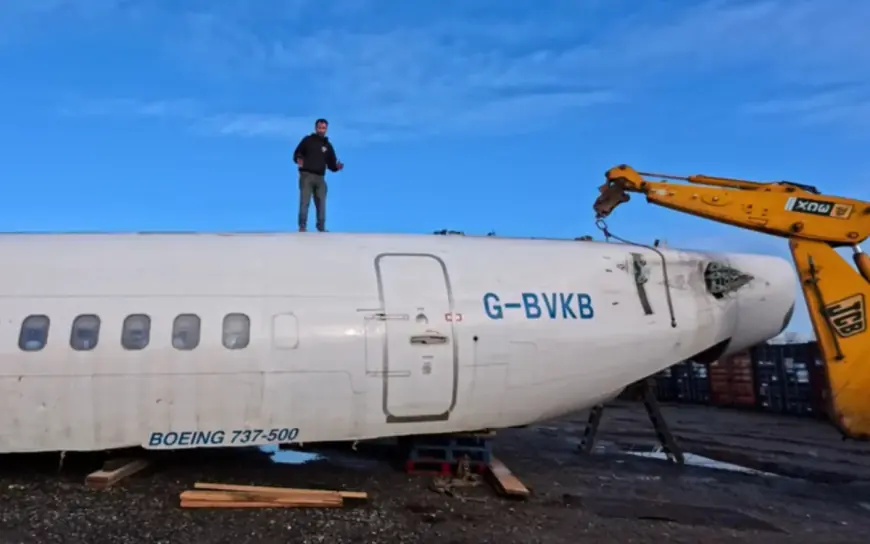
The latest development in a long-running underground build is the arrival of a Boeing fuselage section destined to become the dave billings airplane bunker in Hilton, Derbyshire. The fuselage will be buried and linked to an existing network of rooms and tunnels already under the property, creating a novel storm- and fallout-resistant space on the site.
Dave Billings Airplane Bunker: what the plan involves
The fuselage is a cabin section from a former Bmibaby Boeing 737-500 bought as a bare shell for four thousand pounds from an online marketplace. The owner, an engineer and content creator who has documented an earlier tunnel project, intends to add the section to his underground structures once planning permission is granted. The fuselage will be rejuvenated and fitted out before burial; initial work has included stripping insulation and preparing the frame for refurbishment.
Why I'm burying a plane in my back garden
The dave billings airplane bunker project grew out of an existing build at the same property, where the owner has already cut a network of underground rooms and tunnels. That earlier work has been shared widely online, attracting hundreds of thousands of viewers to a channel that began documenting projects in recent years. The owner says family interest helped shape the decision: his seven-year-old son was enthusiastic about the fuselage and keen to use the space for a birthday party, while his wife was initially sceptical but later accepting of the idea.
What was found inside and how the fuselage will be fitted out
During early dismantling, repairs to parts of the fuselage were noted and a small personal surprise was discovered in the galley area. The owner has begun sourcing period-appropriate fittings and accessories—airplane seats, windows, a trolley and a first aid kit—to give the buried cabin authentic touches once installed. He also plans to retain some original internal elements, including the rear toilet and kitchen area, while exposing the rugged aluminium framework beneath the plastic interior to highlight the aircraft structure.
Context of the site and next steps
The home and business sit on land that was formerly a military camp, where remnants such as Nissen huts and a troop-dug well were once present and have influenced the current build. The fuselage will serve as an addition to that ongoing site work rather than a standalone project; planners must grant permission before burial can proceed. In the meantime, preparatory work—gutting, inspection and procurement of fittings—continues to ready the cabin for integration into the underground complex.
What to watch for
- Planning permission progress for the burial and integration of the fuselage.
- Completion of refurbishment tasks: removal of insulation, structural repairs, and installation of fittings.
- Further documentation of the build process on the owner’s public project channel.
This project combines salvaged aviation hardware with a bespoke subterranean build. Details may evolve as permission processes and refurbishment work advance; recent updates indicate hands-on dismantling and curation of airplane features will continue ahead of burial and final integration into the underground network.