























Liga Española: Real Madrid Stunned by Osasuna as the LaLiga Title Race Tightens Ahead of a Pivotal Sunday

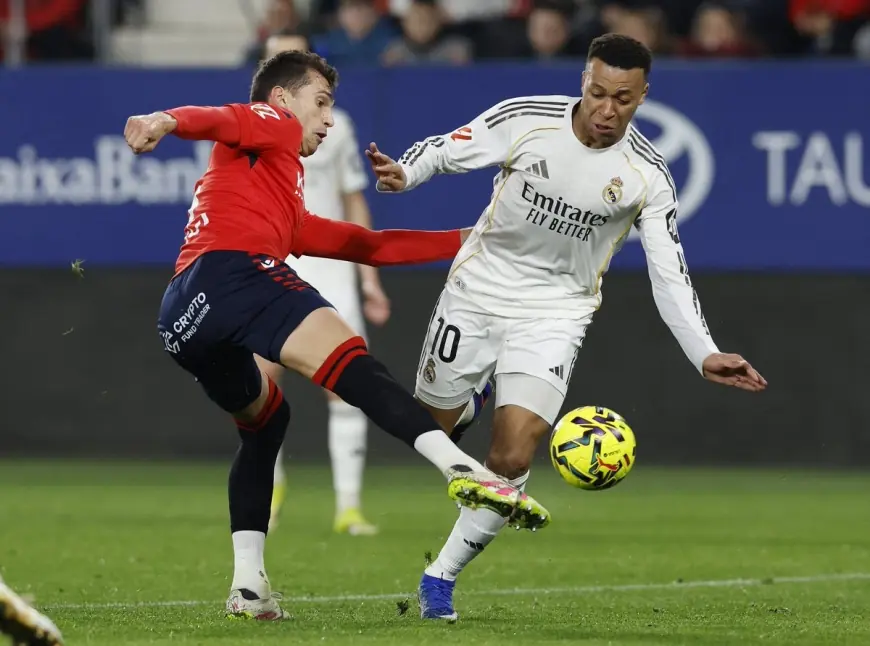
The liga española title race took a sharp turn Saturday, February 21, 2026, when Osasuna beat Real Madrid 2–1 and blew open the top of the LaLiga table. The result leaves Real Madrid on 60 points and creates a clear opening for Barcelona, who sit two points back with a game in hand and a chance to move into first place with their next result.
It’s the kind of swing that changes more than a weekend. It reshapes the pressure on coaches, shifts how rivals manage lineups, and raises the stakes for every upcoming head-to-head in the final stretch.
What happened in LaLiga: Osasuna 2–1 Real Madrid and Atlético’s 4–2 response
Real Madrid arrived as league leaders, but the afternoon in Pamplona turned into a test of control and composure. Osasuna struck first from the penalty spot in the first half, Real Madrid equalized in the second, and then a late decisive goal delivered the upset.
The defining features were familiar for a title contender on a tricky road: long spells of possession, flashes of quality, and then one or two moments where the margin for error vanished. Real Madrid’s equalizer briefly restored the expected script, but the late concession turned it into a setback with immediate table consequences.
A few hours later, Atlético Madrid produced the opposite kind of statement: a chaotic, attacking 4–2 win over Espanyol. Atlético fell behind early, then leaned into transition play and finishing to pull away. It wasn’t pristine defensively, but it was the sort of points haul that keeps a contender within striking distance when rivals slip.
Behind the headline: why the timing of this LaLiga slip matters
Context
Late February is when “three points” starts to feel like “six.” Clubs are juggling domestic matches with European knockout rounds, injuries accumulate, and mental fatigue becomes as dangerous as tactical mistakes. A surprise loss here doesn’t just drop points; it forces a recalibration of risk across the next month.
Incentives
-
Real Madrid’s incentive is to preserve a points buffer while managing legs and minutes. The constraint is that rotation can backfire when the opponent has a single-minded plan and the stadium is fully engaged.
-
Barcelona’s incentive is obvious: an immediate chance to reclaim top spot without needing a direct head-to-head to do it. The constraint is that the “game in hand” only matters if it becomes points, and pressure climbs fast once the door opens.
-
Atlético’s incentive is to keep the leaders within reach and be positioned to pounce on any wobble. The constraint is that leaky defending can turn comfortable matches into stressful coin flips.
Stakeholders
This shift impacts more than the top three. Champions League qualification chasers and relegation fighters care deeply about a tighter title race because it influences how big clubs approach mid-table opponents. When the top is tight, favorites tend to field stronger lineups and take fewer chances with rotation, which ripples down the table.
Second-order effects
A late loss can change behavior. Teams that were comfortable “managing” matches may start chasing early goals, which increases exposure to counters. Coaches may shorten benches, raising injury risk. Front offices may adjust summer planning, because a title can justify stability while a near-miss can trigger big changes.
The numbers shaping the liga española conversation
-
Real Madrid remain on 60 points after the Osasuna defeat.
-
Barcelona trail by two points with a game in hand, giving them a direct path to first place.
-
In the Golden Boot picture, Kylian Mbappé leads the scoring race with 23 league goals, a cushion that keeps him central to Real Madrid’s week-to-week expectations.
Those figures explain why one upset feels so loud. A two-point gap with a game in hand is not a gentle lead; it’s a live wire.
What we still don’t know: the missing pieces that decide the run-in
-
How Real Madrid will balance lineup strength with European commitments in the next two weeks.
-
Whether Barcelona can convert the opportunity immediately or let the pressure linger.
-
Atlético’s defensive ceiling: can they keep winning shootouts, or do they need cleaner control games to stay in the hunt?
-
Injury status and workload management for key attackers, especially as fixtures compress.
What happens next: 5 realistic scenarios and their triggers
-
Barcelona moves top and stays there
Trigger: they win the game in hand and follow it with at least one more victory while Real Madrid drop points again. -
Real Madrid steadies quickly
Trigger: a strong response performance, cleaner chance creation, and no further late-game errors in tight matches. -
Atlético turns it into a three-team sprint
Trigger: they pair big wins with improved game management, especially protecting leads without inviting chaos. -
The title swings on small-team road trips
Trigger: dropped points away to disciplined, counter-attacking opponents who treat a visit from a giant as their season’s defining night. -
The scoring race becomes a tactical issue
Trigger: opponents over-commit to stopping the league’s top scorer, creating space elsewhere that changes how matches are defended.
Why it matters
The liga española isn’t just narrowing at the top; it’s changing the decision-making environment for everyone involved. One upset has turned the next matchday into a referendum on nerve, rotation, and finishing. From here, every dropped point compounds, every comeback matters more, and the title narrative shifts from “favorite” to “survive and respond.”