











Toy Story 5 Trailer Brings Woody Back as the Toys Face a New Tech Threat Ahead of the 2026 Release

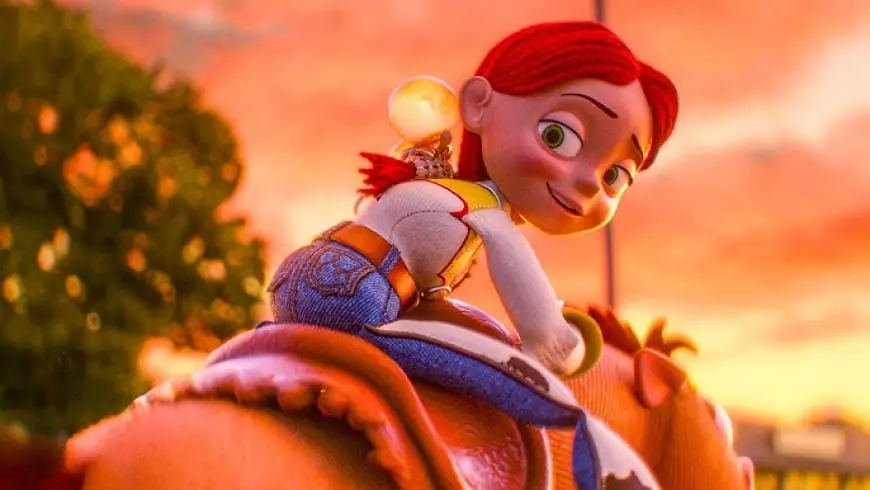
The Toy Story 5 trailer is out, and it frames the next chapter as a survival story for classic play in a world where kids’ attention is increasingly captured by screens. The core hook is simple and easy to feel: Woody, Buzz, Jessie, and the rest of the gang aren’t just competing with other toys anymore. They’re competing with a smart device that can dominate a child’s imagination all by itself.
Toy Story 5 is set for a theatrical release on June 19, 2026. The film is directed by Andrew Stanton with Kenna Harris as co-director, and it brings back key voices including Tom Hanks as Woody, Tim Allen as Buzz Lightyear, and Joan Cusack as Jessie. A major new character is Lilypad, voiced by Greta Lee, positioned as a sleek, high-tech plaything that changes the rules inside Bonnie’s room.
What the Toy Story 5 Trailer Shows
The trailer leans into a “toy meets tech” conflict and uses it to reunite the franchise’s emotional center. Woody returns to the orbit of Bonnie’s room after his Toy Story 4 departure, while Jessie appears to be carrying more leadership weight inside the core group. The tone balances comedy with a real anxiety that parents and kids both recognize: the fear that something beloved can become irrelevant overnight.
The new device character isn’t portrayed as evil in the traditional sense. It’s more like an ecosystem. A toy that can update, glow, talk back, and hold attention indefinitely creates a new kind of existential threat for the older toys whose power comes from imagination, not software.
Behind the Headline: Why Toy Story 5 Is Taking This Fight Now
Context matters here. The franchise has always tracked cultural shifts in play, but the shift from “new toy on the shelf” to “always-on digital companion” is the biggest change since the series began. This premise lets the film talk about modern childhood without turning into a lecture: the toys are the ones trying to adapt, and that keeps the story grounded in character rather than commentary.
The incentives are clear. For the studio, Toy Story is a rare brand that can open big while still delivering emotional credibility, but each sequel faces a trust test. The audience wants a reason that feels necessary, not just nostalgic. “Toys versus tech” is a clean, current reason that also gives the writers room for humor, action, and heart.
For viewers, the incentive is different. Toy Story has become a generational handoff, with adults who grew up on the originals now bringing younger kids. A story about attention, attachment, and being “seen” by the child at the center of the room lands for both groups, for different reasons.
Woody, Buzz, and Jessie: What Their Roles Signal
Woody’s return is the trailer’s biggest emotional promise. After Toy Story 4, his identity shifted from being “Bonnie’s toy” to being a helper for lost toys. Bringing him back into the main group creates a tension the series knows how to play well: duty versus belonging.
Buzz remains the steady partner who can pivot between comedic misunderstandings and sincere loyalty. Jessie’s apparent rise in responsibility is also meaningful. If she’s leading inside Bonnie’s room day-to-day, the story can explore what leadership looks like when the rules change and the group’s old playbook stops working.
What We Still Don’t Know About Toy Story 5
Even with the trailer, several key pieces are still developing or not confirmed in detail:
-
How Bonnie’s relationship with the new device evolves, and whether the device is an antagonist, a misguided helper, or something in between
-
How much of the film takes place inside Bonnie’s room versus outside, where Woody’s newer mission could pull the story
-
Whether the story treats technology as a permanent replacement for toys or a phase the characters learn to coexist with
-
How the film will balance returning favorites with new characters, especially as the cast grows larger each installment
Second-Order Effects: What This Movie Could Change for the Franchise
If Toy Story 5 sticks the landing, it could reset what “a Toy Story sequel” is allowed to be: less about introducing a single new toy and more about confronting a world shift that affects all toys at once. That opens the door to future stories built around cultural changes rather than just personal rivalries.
It could also reshape which characters carry the franchise forward. A stronger leadership arc for Jessie, paired with Woody’s new purpose outside the bedroom, creates a natural structure for future installments that doesn’t rely on repeating the same internal conflict.
What Happens Next: Realistic Scenarios to Watch
Here are a few likely next steps, with clear triggers:
-
A fuller trailer with more plot clarity, triggered by the marketing ramp as the release date approaches
-
Additional casting reveals for new characters tied to the device ecosystem, triggered by press and promotional events
-
More concrete story emphasis on Jessie’s leadership and Woody’s return, triggered by longer footage that shows how the team reunites
-
Early reactions focusing on whether the premise feels “earned,” triggered once critics and audiences see more than teaser-level scenes
Toy Story 5 is trying to do something both modern and classic: take a big cultural anxiety and translate it into a small, emotional story inside one child’s room. If it works, it won’t just be about toys fighting for relevance. It’ll be about what changes, what stays, and why the characters still matter when the world around them keeps upgrading.