






















Chicago Bears moving to Indiana? Wolf Lake in Hammond emerges as leading stadium site

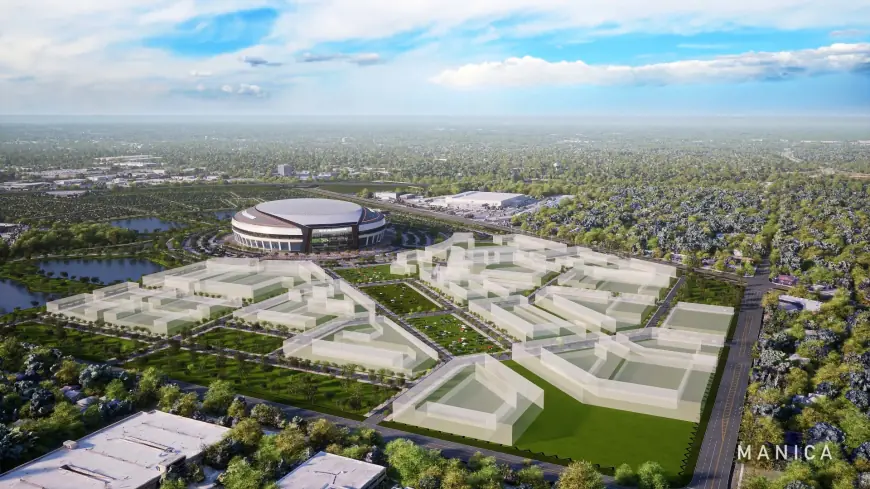
The question “are the Bears moving to Indiana” got louder this week after state lawmakers advanced legislation designed to help build a new NFL stadium near Wolf Lake in Hammond, Indiana. The Chicago Bears have not committed to relocating, but the team has publicly described the Indiana move as the most meaningful progress yet in its yearslong search for a new home—while Illinois officials insist Chicago-area options remain alive.
What changed this week in Indiana
Indiana legislators moved forward with a plan to create a Northwest Indiana Stadium Authority, a public entity that could finance, construct, and lease a new stadium in the state’s northwest corner. The committee vote was unanimous, signaling broad political support for at least putting the financing framework in place.
The Bears’ statement following the vote emphasized continued site-specific due diligence—engineering, environmental, transportation, and infrastructure questions that would need to be answered before any shovel goes in the ground. The team also framed the Wolf Lake area as the current focal point, though it stopped short of saying the franchise will leave Illinois.
Wolf Lake, Hammond Indiana: why this site is on the table
For fans hearing “Wolf Lake Hammond Indiana” for the first time, the appeal is proximity: the area sits close to Chicago’s southern edge, with regional highway access and the possibility of creating a stadium district that includes parking, hospitality, and year-round development.
But a Wolf Lake concept also raises practical questions that often decide stadium bids:
-
Land readiness: what must be remediated, moved, or rebuilt before construction begins
-
Transportation: how game-day traffic and transit would work from Chicago and the suburbs
-
Neighborhood impact: noise, congestion, and development effects on nearby communities
-
Waterfront and weather exposure: wind, lake conditions, and stormwater management
Those unknowns are a big reason the Bears have kept their language careful while still calling Hammond a serious target.
Bears stadium financing: what the proposal envisions
The Indiana framework is built around long-term public financing tied to a defined stadium district, alongside private investment from the team. In the version discussed publicly, the authority would be able to issue long-term bonds and use district revenues—such as taxes tied to events and visitor spending—to help pay debt service.
One notable feature is how ownership could work: the authority would build and lease the stadium, with a mechanism for the team to gain ownership after bonds are retired, including an option to buy earlier by paying off remaining debt.
Here’s a simplified snapshot of the elements that have been discussed:
| Piece | What it means in practice |
|---|---|
| Stadium authority | A public entity to finance, build, and lease the venue |
| Long-term bonds | Debt issued to fund construction, repaid over decades |
| Stadium district taxes | Event-related and visitor-related taxes to support payments |
| Long lease term | Team stability in exchange for revenue control and commitments |
| Due diligence requirement | No final deal without site, cost, and infrastructure clarity |
Are the Bears moving to Indiana, or is this leverage?
Right now, the most accurate answer is: it’s not decided.
The Bears’ stadium search has repeatedly pivoted between multiple options, including staying in Chicago, moving to a nearby suburb, and now evaluating northwest Indiana. This week’s momentum matters because it shows Indiana can move quickly on a financing structure, and it gives the Bears a concrete alternative while negotiations in Illinois remain politically complicated.
Illinois leaders, meanwhile, have been working on legislative ideas aimed at improving the economics of a stadium project closer to the team’s existing fan base and corporate footprint. That tension—speed and certainty on one side, scale and tradition on the other—is what makes the “Indiana Bears” concept feel newly real, even without a signed agreement.
What happens next: the timeline to watch
The next milestones are less about rumors and more about paperwork, votes, and engineering:
-
Further action in the Indiana legislature to finalize the authority and its powers
-
A clearer identification of the exact Hammond site footprint (and what must be acquired)
-
Public details on infrastructure needs—roads, utilities, transit, and parking
-
Parallel movement in Illinois on tax and development terms that would keep the Bears in-state
-
Any formal agreement framework: term sheet, memorandum, or binding deal structure
Until those pieces surface, the headline remains a high-stakes possibility rather than a done deal: the Bears are actively exploring Hammond, but they have not confirmed a move.