
















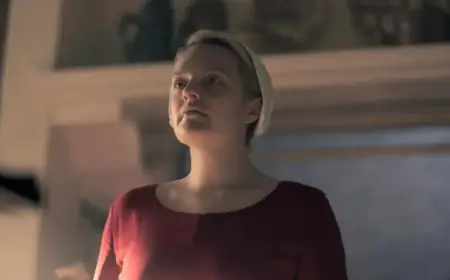








Rose Byrne’s awards surge and frank aftercare admission put a spotlight on how parents and performers handle draining roles


Who feels the impact first are the people who both work in emotionally exhausting creative jobs and try to keep a stable family life at home. rose byrne has become a focal point for that conversation after a bruising new film performance that critics say plunges viewers into a panic-attack state, paired with candid comments about unwinding with alcohol following filming. The combination—major award recognition and a blunt admission about coping—casts questions about on-set aftercare and the private toll of high-pressure roles.
Rose Byrne and what that means for working parents and performers
Here’s the part that matters: actors who are also parents often have tighter margins for emotional recovery. Byrne described the role in If I Had Legs I’d Kick You as unnerving and lingering for her after the shoot, and she has acknowledged that she sometimes "drinks a lot of alcohol" to unwind. She is currently a BAFTA nominee and an Oscar nominee for that performance and has collected festival honors including a Silver Bear after a long-running career that also included a major acting prize two decades earlier. Those facts make her situation a visible case study for colleagues weighing intense creative work against personal wellbeing and family routines.
On-screen intensity, festival momentum and personal candor
If I Had Legs I’d Kick You is described as putting viewers inside a panic attack: a sound design of beeps, a camera that crowds the protagonist, and a script that mixes existential and horror elements with dark comedy. The film’s director is Mary Bronstein, whose work has been noted for both gritty comedy and striking second features. Byrne’s performance has drawn awards attention across critics’ circles and major ceremonies—she has won a Golden Globe category for best actress in musical or comedy, received the Silver Bear at a major international festival, and earlier in her career took a top acting prize at another prominent festival.
On set she worked alongside performers whose own profiles attracted attention; one co-star’s partner did not attend the shoot because of a newborn. Off camera, Byrne has framed her home life as deliberately simple, leaning on a close family and a small community, and she and her husband are raising two children, Rocco and Rafael (ages noted in recent commentary). She has also said that passport control in Ireland often greets her with "welcome home, " a remark that highlights a personal connection to that country.
- Festival and awards momentum: Golden Globe recognition, a Silver Bear win, and current BAFTA and Oscar nominations have repositioned this small, intense film and Byrne’s role in awards conversations.
- Emotional aftercare is now public: her admission about drinking as a way to unwind has shifted the discussion from craft to how performers decompress.
- Immediate stakeholders include performing parents, casting directors, and production teams who manage post-shoot support for actors in demanding roles.
- Signals to watch for that could change the conversation: whether more actors publicly discuss coping practices, and whether productions note expanded mental-health supports in publicity or credits.
It’s easy to overlook, but Byrne’s mixed track record of high-profile prizes—both very recent and ones from much earlier in her career—makes her an unusually visible example of longevity meeting a raw, contemporary performance. The real question now is how the industry and audiences will respond to an acclaimed performance that is also framed as personally costly by the performer herself.
What remains clear from the available details is this: the film’s sensory assault and Byrne’s emotional openness have together nudged a broader conversation about how demanding creative work is managed by the people doing it and the families who live with the aftermath. Recent updates indicate public discussion may evolve as peers and festival organizers weigh in, and as award-season momentum continues to play out.
What’s easy to miss is that this is not a single data point but a cluster—festival wins, major nominations, an intense role, and personal candor—that together create leverage for change in how aftercare for performers is discussed.