













Lord Of The Rings The Hunt For Gollum could recenter the saga around Aragorn and turn Gollum’s past into a full psychological origin

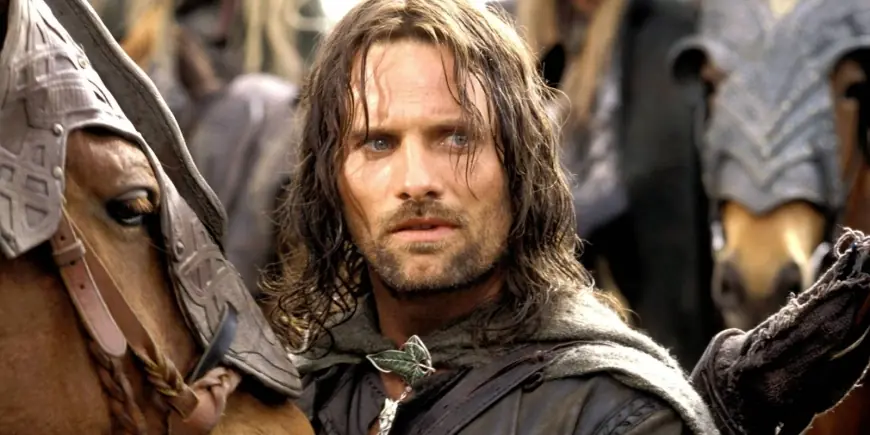
The creative signals around Lord Of The Rings The Hunt For Gollum suggest a concrete change in franchise priorities: rather than another ensemble chapter, this film would put Aragorn at the center of a manhunt while treating Gollum’s beginnings as a sustained, interior drama. That shift matters because it changes which characters carry the emotional weight and how the broader mythology is mined for standalone storytelling—potentially altering casting, tone, and fan expectations.
How Lord Of The Rings The Hunt For Gollum could reshape who drives Middle-earth stories
Recent commentary from the project’s returning talent emphasizes a move away from Gandalf-led fieldwork to an Aragorn-driven quest, with the wizard positioned more as a director of operations than a frontline presence. At the same time, the creative team signals an appetite for a sustained psychological portrait of Gollum rather than brief flashbacks. That combination would shift narrative emphasis from ensemble spectacle to character study plus procedural search, a pairing that could recalibrate which characters the franchise leans on going forward.
What’s easy to miss is that this is both a tonal and structural change: shifting to an Aragorn-led hunt moves screen time and stakes onto a single hero’s arc, while the Gollum origin material promises a long-form interior exploration rarely attempted in prior films about the character.
What has been signaled so far and how those pieces fit together
Key creative roles attach to the project: the director is returning to the titular character’s performer while stepping into the director’s chair; producers and original trilogy screenwriters are involved; a published synopsis circulating online frames the movie as focusing on young Sméagol’s pre-ring life and a hunt across Middle-earth that could influence the balance of power. The project is publicly scheduled for a December release year tied to a mid-2020s announcement, and a small roster of original cast members is cited as returning.
On specifics: comments from one principal actor portray the film as an adventure with Aragorn actively tracking Gollum while Gandalf coordinates from a distance. The screenplay’s authors describe a strong psychological, interior component to Gollum’s story, and the director—who also plays Gollum—has been observed continuing a physically demanding motion-capture approach for the role. At the same time, some creative and fan commentary questions whether stretching brief background details into a standalone film risks overextending the source material.
Here's the part that matters: these creative choices will determine whether the film feels like a natural expansion of the saga or an ill-fitting detour that changes how future origin stories are handled.
- Core implication: Narrative focus moves toward a hero-led search plus an intimate origin treatment of Gollum, altering franchise balance.
- Immediate effects: Casting choices and screen time allocation (Aragorn vs. Gandalf) will signal the franchise’s priorities.
- Talent signals: The director’s continued physical performance approach suggests the film will blend visceral motion-capture work with psychological material.
- Unresolved items that matter next: whether other original leads choose to return, and how faithfully the origin material aligns with long-term franchise continuity.
- Timeline anchors: the project was publicly announced in mid-2024 and is slated for a December theatrical release in 2027.
Small uncertainties remain: one high-profile potential return is unconfirmed and has been characterized as dependent on whether the new script resonates with that performer. Recent updates indicate core creative intent, but casting and final tone may still evolve.
The real question now is whether viewers will accept a franchise detour that privileges a single hero’s hunt alongside an extended psychological study of a previously supporting, troubled figure.
It’s easy to overlook, but the bigger signal here is how the franchise chooses to turn brief textual fragments into feature-length narrative: that approach will influence whether future projects aim for more concentrated character portraits or revert to broader ensemble epics.