






















Boeing Starliner Failure Declared a 'Type A' Mishap as Agency Flags Leadership and Engineering Breakdowns

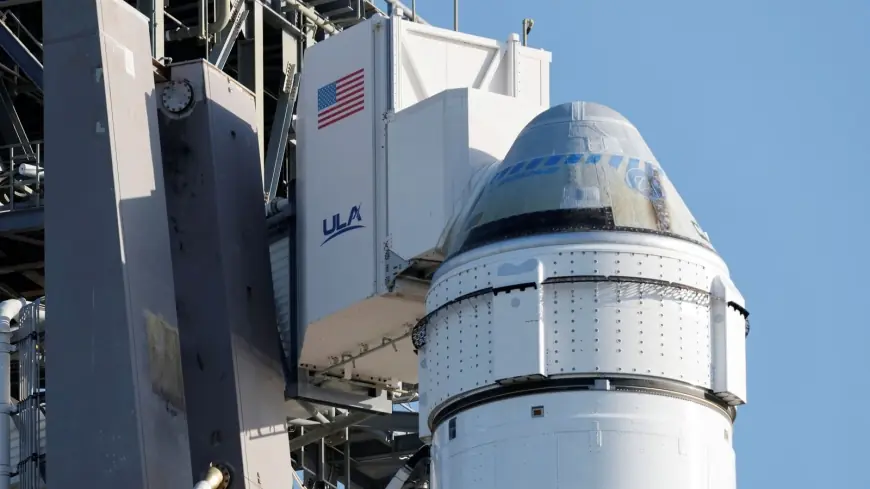
A newly published agency report has labeled the boeing starliner failure a "Type A" mishap, putting the incident on par with past fatal shuttle disasters and spotlighting a mix of thruster faults, hardware problems and leadership failures that left two astronauts stranded in space for more than nine months.
Boeing Starliner Failure: How the mission went off course
The incident unfolded during the spacecraft's first crewed test flight when thrusters failed, leaving the vehicle dangerously out of control. The two astronauts aboard managed to restart the propulsion system and dock manually with the orbiting complex, but what had been planned as an eight-to-14-day test became a months-long ordeal. The crew ultimately returned on a different vehicle several months later.
The report categorizes the mishap at the agency's highest level, a designation reserved for events that cause more than $2 million in damage, loss of a vehicle or its control, or deaths. That classification places the episode in the same severity band as earlier shuttle disasters and underlines the potential for catastrophic outcomes that the mission narrowly avoided.
Findings: hardware faults, leadership missteps and cultural breakdowns
Investigators identified a combination of technical and organizational failures. Hardware problems were highlighted throughout the spacecraft's recent missions, including thruster malfunctions and other technical challenges that undermined mission readiness. The probe also found poor engineering practices and lack of oversight that contributed to the extended mission timeline and the risk to crew.
Alongside technical failings, the report calls out decision-making and leadership deficiencies at both the manufacturer and the agency that accepted the vehicle for flight. Investigators described cultural problems between the organizations involved, which compounded the hardware issues and led to conditions that fell short of established safety standards.
Immediate consequences and remedial steps
The agency has accepted the report as final and is taking corrective actions in response to its findings. Leadership accountability measures are being implemented to correct systemic failures and to try to prevent similar incidents in future crewed flights. The agency's new chief has publicly criticized both the manufacturer and the agency processes that allowed the mission to proceed despite known issues, and has emphasized the need to own mistakes and restore safety margins.
Practical takeaways and what to watch next
- Severity: The "Type A" label signals the agency views the event as among its most serious mishaps, given the potential for loss of life or vehicle control.
- Technical fixes: Investigators identified specific hardware and engineering shortfalls that must be corrected before similar crewed flights are resumed under comparable conditions.
- Organizational change: The report links poor oversight and cultural breakdowns to the root causes, suggesting changes will span engineering practices and leadership structures.
- Crew impact: The two astronauts involved were aboard the orbiting complex for more than nine months and have since retired from active service.
The boeing starliner failure designation is likely to influence how future test flights are reviewed and approved, and it will shape oversight and corrective plans moving forward. Recent coverage of the report underscores the interplay between engineering readiness and management choices that together determined the mission's risky trajectory. Details remain subject to ongoing implementation of corrective measures and follow-up oversight actions.