























Boeing Starliner Failure Raises New Questions About Safety Culture and Mission Readiness

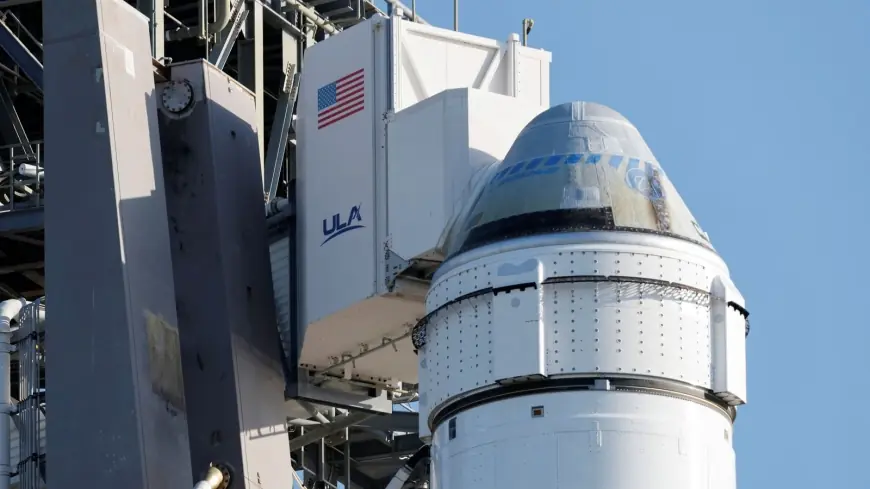
The boeing starliner failure has been formally designated a "Type A" mishap, a classification that elevates uncertainty about program oversight and future crewed flights. That label—reserved for the agency's most severe incidents—sharpens scrutiny on hardware reliability, management decisions and whether corrective steps will be enough to restore confidence before other high-profile missions proceed. Here's why the designation matters now and where the risk remains.
Boeing Starliner Failure: the classification that shifts the debate from blame to unresolved hazards
Labeling the mission a Type A mishap places this event in the same severity bracket previously used for the agency's two fatal shuttle disasters. The decision does more than assign fault; it signals that damage, loss of control or potential for death were realistic outcomes, intensifying questions about program readiness and governance. The report cites engineering problems, leadership missteps and cultural breakdowns that combined to create conditions below accepted safety standards.
Here's the part that matters: the agency's highest-level finding does not close the book — it reframes the problem as systemic rather than isolated. The leadership changes and corrective actions announced alongside the report now face a test in how quickly and transparently they are implemented.
What the investigation found and the sequence that turned a short test into a prolonged crisis
On its first crewed test flight, the spacecraft suffered thruster failures that left it dangerously out of control. The two astronauts aboard were forced to restart propulsion and manually dock with the orbital outpost; what had been planned as an eight-to-14-day test stretched into a months-long stay for the crew. Investigators documented hardware failures—some tied to propulsion and re-entry systems—as well as prior technical problems that had persisted through recent missions. They attributed the escalation to poor engineering oversight and leadership failings at the contractor and acceptance decisions by the agency.
- Classification: Declared a Type A mishap, the highest severity level used by the agency.
- Operational impact: A routine test flight became a mission that left astronauts stranded in orbit for months.
- Technical flags: Thruster failures and lingering issues during re-entry were identified; other development vulnerabilities were noted.
- Organizational findings: Investigators pointed to leadership missteps and cultural breakdowns contributing to the incident.
It’s easy to overlook, but the report also highlights that the spacecraft had known issues in prior missions that were nonetheless accepted for this crewed flight—an important part of why accountability and corrective timelines will draw sustained attention.
The two pilots who experienced the ordeal later returned aboard a separate vehicle and have since retired. Leadership at the agency has publicly committed to accepting the final report and pursuing corrective actions; the contractor has described steps toward cultural and technical remediation.
- Type A classification means the mishap met criteria tied to major damage, loss of vehicle control or potential for loss of life.
- Investigators commissioned an independent team and produced a multi-hundred-page report documenting failures and root causes.
- Corrective actions and leadership accountability were announced, but implementation timelines remain a central uncertainty.
Key takeaways:
- The designation elevates program risk from a single failure to systemic safety and oversight concerns.
- Upcoming crewed missions could face delays or additional scrutiny until corrective measures are demonstrably in place.
- Stakeholders most immediately affected include agency leadership, contractors involved in spacecraft engineering, and the astronaut corps slated for future flights.
- Signals that will indicate improvement include documented fixes to propulsion and re-entry systems, independent verification of cultural changes, and transparent timelines for oversight reforms.
The real question now is how fast and how thoroughly corrective work will be verified. The Type A label heightens the threshold for acceptable risk and means near-term program decisions will be judged against whether they reduce the chance of a repeat. What’s easy to miss is that declaring a mishap this severe creates procedural obligations that can reshape timelines and accountability in measurable ways.
Micro timeline (verifiable highlights):
- First crewed test flight experienced thruster failures and required manual recovery.
- The crew's stay extended to months while the incident was assessed; they later returned a different vehicle and retired from active service.
- The agency published a comprehensive report, declared the event a Type A mishap, and announced corrective actions and leadership accountability steps.
The report's findings move this from a headline into a program-level stress test: engineers, managers and oversight boards now must show fixes that withstand external verification. For readers following mission readiness, the near-term indicators of change will be as important as the initial classification itself.