























Klaebo’s sweep reshapes the Winter Games — record sixth gold and a new benchmark for cross-country

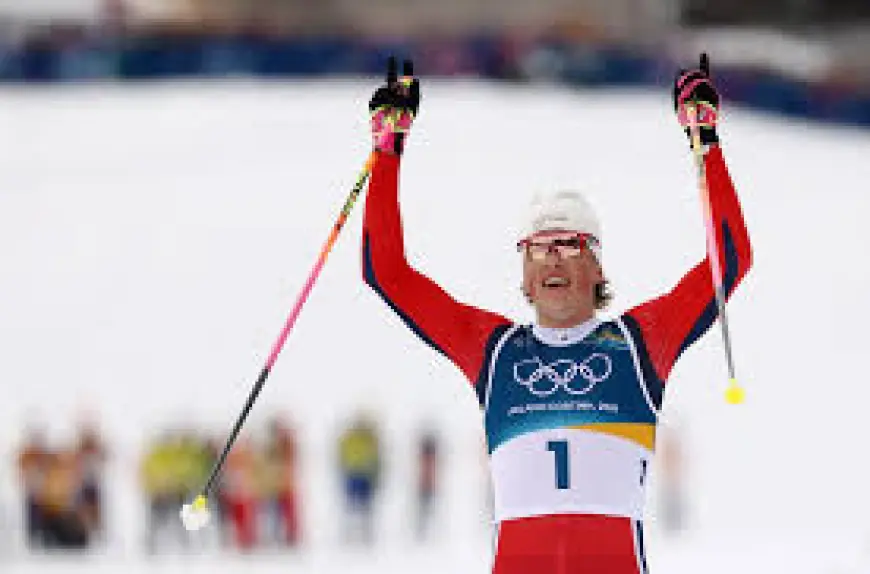
Who feels the impact first is the field: rivals, record-keepers and Norway’s team structure will have to adjust after klaebo completed an unprecedented sweep at the 2026 Milan Games. By taking the 50km mass start to collect a sixth gold, he not only broke a Winter Games single-Games gold record that dated to 1980 but also forced a rethink about how a single athlete can dominate across sprint and marathon events in one fortnight.
Klaebo’s immediate ripple: records rewritten and the sport’s competitive map altered
This isn’t just another headline. The sixth gold makes klaebo the most prolific gold winner at a single Winter Games in modern history, surpassing the five-gold mark set in 1980. He now sits with 11 Olympic gold medals overall, a total that places him ahead of entire countries on the 2026 medal list and behind only a handful of all-time leaders in Olympic golds. The size and range of his accomplishment — winning every cross-country event he entered over the course of the meet — changes how national teams and rivals must plan training, selection and tactics.
Here’s the part that matters for coaches and competitors: winning across sprint and marathon formats in one Games required klaebo to race 10 times across 115km in six different events within 14 days, and he won each start. That workload and consistency mean future contenders may need deeper rosters, different recovery strategies, and event-specific pacing plans to counter a single athlete capable of doubling down across distances.
It’s easy to overlook, but this sweep is unprecedented in cross-country skiing at the Olympics — nobody has ever claimed every event in the discipline at one Games. The immediate practical consequence will be a re-evaluation of how nations distribute their medal hopes across specialists and all-rounders.
How the 50km finish sealed the sweep and what happened on course
The decisive victory came in the sport’s most gruelling Olympic test, the 50km classic mass start. Klaebo broke away late to beat his Norwegian teammate Martin Løwstrøm Nyenget by 17. 4 seconds, while Emil Iversen completed a Norwegian lockout of the podium. For long stretches the three led together, separated by only fractions, with the next competitor nearly two minutes adrift by 30km. One rival faded midway through the final lap, but Nyenget kept pressuring until the final uphill, where klaebo executed the move that ultimately decided the race and sealed the historic sweep.
- Finish margin in the 50km mass start: 17. 4 seconds between first and second.
- Podium: three Norwegians — gold, silver and bronze.
- Aggregate workload for the winner across the meet: 10 races, 115km, six events, 14 days.
The broader comparison to other multi-gold Olympic performances is stark: only a handful of athletes in modern Olympic history have matched or exceeded this kind of single-Games haul, and only one athlete has more career Olympic golds overall. That context reframes this achievement not as an isolated sprint triumph but as one of the largest concentrated medal hauls at any Olympic event.
What’s easy to miss is that the winner’s path here was not purely an endurance story: it built on a background in sprinting and technique innovation that let him switch between classical and freestyle demands while also introducing a personalized uphill method that proved decisive.
Quick takeaways for the weeks ahead:
- National teams may prioritize depth and recovery planning over single-event specialists in future selection cycles.
- Rivals will study the physiological and tactical pattern of 10 starts in 14 days that produced consistent wins across formats.
- Medal tables and historical rankings will be reinterpreted with this single-Games performance now a benchmark.
The real question now is how federations and athletes respond to a competitor who has demonstrated both sprint punch and marathon endurance in the same Games. Recent updates indicate this shift will dominate off-season planning and public conversation about who can realistically challenge such a versatile leader.
The real test will be whether rivals can assemble the depth and tactics to prevent a repeat of this kind of sweep at future Games.