

















Gus Kenworthy says 'I'm on right side' after death threats over ICE post and posts sixth-place halfpipe finish

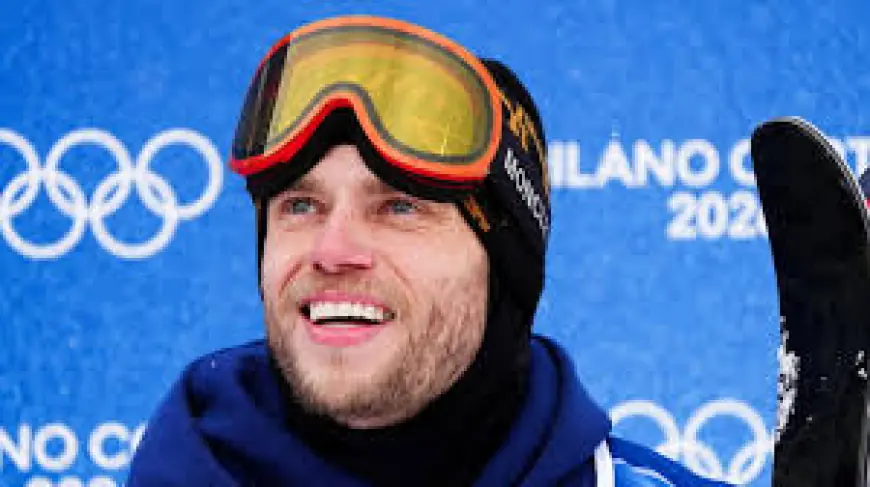
Gus Kenworthy, competing at his fourth Olympic Games, said he was "on the right side" after receiving death threats for posting a graphic message about the United States' immigration enforcement agency, and he went on to finish sixth in the Olympic halfpipe final. The juxtaposition of political backlash and on-course performance has underlined tensions around the Games this week.
Development details: Gus Kenworthy's post, threats and results
Kenworthy shared an image on Instagram in which the name of the immigration enforcement agency was preceded by an expletive; that post came a week before he was due to compete at the Winter Olympics in Italy. He later described the abuse he received as "threats and violent and scary and homophobic, " and said he took the messages "with a grain of salt, " adding that he "couldn't imagine writing something like that about someone, especially on a public forum. "
The freestyle skier, born in Chelmsford and raised in the United States, is at these Games representing Great Britain after switching allegiance in 2019. He is also a former Olympic silver medallist in ski slopestyle from the Sochi 2014 Games. At the recent halfpipe competition he finished sixth, while American Alex Ferreira won gold to complete his set of Olympic medals. Another US competitor who had spoken out about immigration enforcement, Hunter Hess, placed tenth in the event.
In the background to the online debate are recent, deadly enforcement actions in Minnesota. In January, an intensive care nurse, Alex Pretti, 37, and another resident, Renee Good, 37, were killed by immigration enforcement agents in the city, sparking protests across the United States.
Context and pressure points
The post and the reaction to it arrived amid a larger enforcement operation that has drawn scrutiny. Tom Homan, a senior enforcement official, said Operation Metro Surge in Minnesota had detained many people for deportation and that more than 4, 000 undocumented immigrants had been arrested; he also said the agency has and will continue to have a presence in the state. The enforcement activity and the deaths that followed led to nationwide protests, placing immigration policy and enforcement squarely into the public conversation while the Winter Olympics proceed.
What makes this notable is the collision of high-profile athletic performance and heated domestic politics at a moment when both have national visibility. Kenworthy's comment that he is "on the right side" frames the dispute as a values clash rather than a personal controversy, and the timing of the Instagram post — a week before the start of his Olympic competition — amplified the response he received.
Immediate impact
The immediate human impact was twofold: Kenworthy faced direct personal threats and also continued to compete under the spotlight. He said the abuse was tough to read, but that he could not imagine posting such violent language himself and interpreted those who did as having "something wrong with them. " Despite the hostile messages, he completed the halfpipe final and placed sixth, a top-10 finish at his fourth Games.
Other athletes in the field expressed their own positions on the wider issue. Hunter Hess, who had criticised enforcement actions, made a public gesture on the qualifying run and stressed his commitment to competing, saying he had "sacrificed [his] entire life to make this moment happen" and that he loved the United States. The competition itself proceeded with medal outcomes settled on the course even as the political debate continued off it.
Forward outlook
Kenworthy remains on-site at the Olympic Games, where he is competing at his fourth Olympics. There are no further personal competition entries for him detailed in the available coverage. The broader debate over immigration enforcement in the United States is continuing on multiple fronts: protests persist after the deaths in Minnesota, and enforcement officials have described the operation as ongoing in its presence there.
The timing matters because the athlete's social-media post, the subsequent threats and the policing actions that provoked protests all converged in the run-up to and during Olympic competition, ensuring the controversy will remain part of the public record as the Games proceed.