























Alysa Liu Wins Women’s Olympic Figure Skating Gold at Milan-Cortina

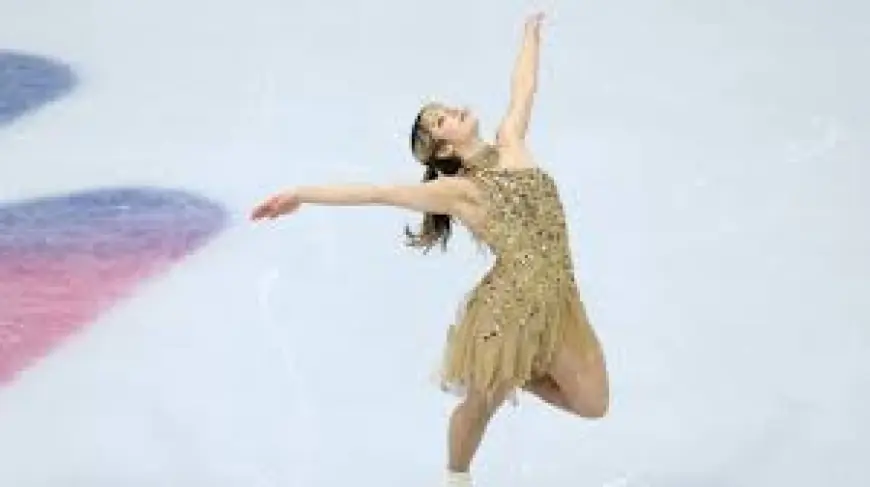
Alysa Liu reclaimed her place at the top of women’s figure skating by winning the Olympic singles gold at the Milan-Cortina Games, completing a comeback that began after she stepped away from the sport following the 2022 Beijing Olympics. The victory matters because it ended a long medal drought for American women at the Games and produced a personal-best score in the sport’s most important competition.
Development details
Liu finished third in the short program but surged to first in the free skate, posting a winning total of 226. 79 points—her highest score in a major competition. She landed seven triple jumps in the long program and earned career-high marks for choreography, musicality and skating skills while performing to Donna Summer's rendition of "MacArthur Park. " The performance combined technical execution and bright artistry: judges rewarded both her jumps and component scores, creating the margin needed to overtake the leaders from the short program.
At 20 years old and skating for the United States, Liu becomes the first American woman to take the Olympic singles title since 2002 and the first American woman to reach the podium in the event since 2006. She leaves these Games with two gold medals, having previously helped secure gold in the team competition. Japan claimed the other podium spots: Kaori Sakamoto took silver with 224. 90 points and Ami Nakai earned bronze with 219. 16 points.
Alysa Liu's comeback and the competition's escalation
Her return to top form followed a period away from competitive skating after the 2022 Beijing Olympics. In Milan-Cortina, Liu chose not to attempt some of the highest-difficulty elements present in the field—she did not try a triple axel in the long program, nor did she attempt a quadruple toe loop that other skaters included—but her clean execution of triple jumps and elevated artistic scores carried her through. Her approach to at least one combination registered at 8. 7 miles per hour; in that sequence she completed two separate triple rotations, clearing more than seven feet of ice on the initial jump and adding an additional foot of elevation after planting her toe pick.
Japan’s Kaori Sakamoto, 25, who had been a world champion and a medalist at the 2022 Olympics, skated in what was described as her final competition before retirement, taking silver with a total close to Liu’s. Seventeen-year-old Ami Nakai, skating in her first Olympic Games, began the event in the lead after the short program but slipped to third after the free skate, illustrating how quickly standings shifted during the long program.
Immediate impact
The podium reshuffles carry immediate consequences for national and individual legacies. For the United States, Liu’s gold ends a two-decade gap in Olympic singles victories for American women and restores a presence on the Olympic podium that had not been achieved since the mid-2000s. For Liu personally, the win cements a dramatic comeback: she departs the Olympics with two gold medals and a career-best score in the sport’s marquee event.
For other competitors, the results have tangible outcomes: Sakamoto’s silver marks the conclusion of her competitive career at these Games, while Nakai’s bronze establishes a podium finish in her Olympic debut. The technical choices of several skaters also shaped outcomes—some opted for higher-difficulty elements such as triple axels and quadruple toe loops, but those risks did not translate into higher final placements than Liu’s balanced program.
Forward outlook
With the women’s singles medalists decided, one confirmed post-competition milestone is Sakamoto’s retirement following this event. Liu’s Olympic program is complete; she leaves Milan-Cortina having secured two gold medals and a personal-best winning total of 226. 79. The event closed with Japan taking silver and bronze, completing the final standings that will be entered into the official Olympic record for this competition.
What makes this notable is how a strategy that balanced clean triple jumps and elevated artistic scores outpaced attempts at higher-difficulty jumps from other contenders, reshaping expectations about the technical and artistic mix needed to win the Olympic women's title.