






















Dodgers fans: early Spring Training signs from Roberts, new signings and a rising pitching prospect

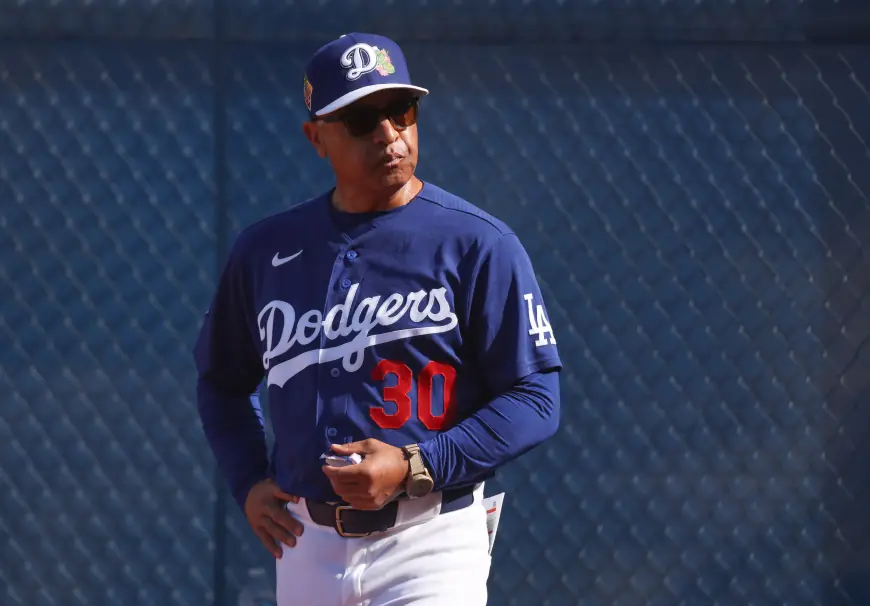
For dodgers supporters the first workouts are less about box scores and more about tone. Manager Dave Roberts’ annual address, comments from newcomers Kyle Tucker and Edwin Díaz about the club’s professionalism, and the promotion track for prospect Christian Zazueta give a clear sense of who feels the early effects: the fanbase, the pitching depth chart and the clubhouse culture. These signals set expectations before the season’s decisions arrive.
What the early camp tone means for Dodgers followers
Roberts opened the club’s first official workout with an emphasis on focus and consistency, pressing players to lean into daily preparation rather than external noise. That message was reinforced when newcomers were asked why they chose the team; their answers highlighted attention to detail, a professional approach and how staffers support players’ families. Team leadership has also framed a broader objective: to be a destination where internal talent wants to stay and outside players want to join.
Here’s the part that matters for fans: those cultural cues influence everything from lineup patience to bullpen usage. The presence of high-profile additions who cited the organization’s environment signals management will prioritize fit and continuity alongside payroll moves. What’s easy to miss is how early tone-setting can narrow the margin for day-to-day slippage during the long season.
Camp signals and roster notes
The camp landscape offers several discrete items that will ripple through roster planning. Roberts made his opening remarks and was visible in the media conversation around camp; Kyle Tucker and Edwin Díaz were singled out during the presentation when asked why they joined the club, with their responses centering on the organization’s structure and support. Edwin Díaz has been positioned as a bullpen anchor and has explained his choice of this club over a rival option.
A front-office voice framed the goal of keeping top players in-house while remaining attractive to others, describing the club as aiming to be both a retention engine and a magnet for talent. Separately, a former general manager reflected on historical shifts in how certain offensive metrics were valued, noting those ideas have evolved and cycled over time.
On the farm and developmental front, Christian Zazueta—last season’s Branch Rickey Award winner for the organization’s minor-league pitcher of the year—is expected to begin his age-21 campaign at High-A Great Lakes. Scouts and analysts have tracked a marked jump in his fastball velocity; his heater sat in the low-90s and reached the upper-90s, with that climb noted as occurring in 2025. That kind of arm jump changes the way a prospect is deployed and how quickly he might factor into higher levels.
Additional early-season items listed in daily notes include a veteran first baseman’s intention to continue playing late into his career while wearing the team uniform, a possible innings limit for a two-way star to start the regular season, and work by an imported pitcher on his pitch mix in preparation for a sophomore season with the club.
- New signings highlighted culture and family support; that shapes clubhouse expectations and fan patience.
- Christian Zazueta’s velocity jump—peaking near the upper-90s in 2025—places him on a faster developmental track at High-A.
- Leadership framed the club’s goal as retaining talent while attracting others, signaling a continued emphasis on continuity.
- Pitching workload and bullpen construction were implicit priorities, given the focus on reliever roles and veteran durability notes.
If you’re wondering why this keeps coming up: early tone and prospect movement are the under-the-radar mechanics that determine midseason flexibility and trade posture. The real question now is whether the early messaging holds as injuries, innings limits and performance variability arrive.
Micro timeline: Roberts’ opening address at the first official workout set the tone; Zazueta’s velocity climb was recorded in 2025 and he is slated for High-A to start his age-21 season; newcomers publicly cited the club’s professional environment during camp introductions. The real test will be whether those early commitments translate into the roster choices that matter once the regular season begins.
The larger signal for supporters is straightforward: early camp is emphasizing culture and pitching development. For a fanbase that prizes postseason runs, those elements will shape expectations and patience in the weeks ahead.