


















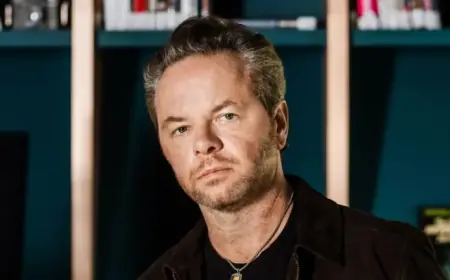






Rebecca Gayheart — Eric Dane Spent Final Months 'Moving the Needle' on ALS Research

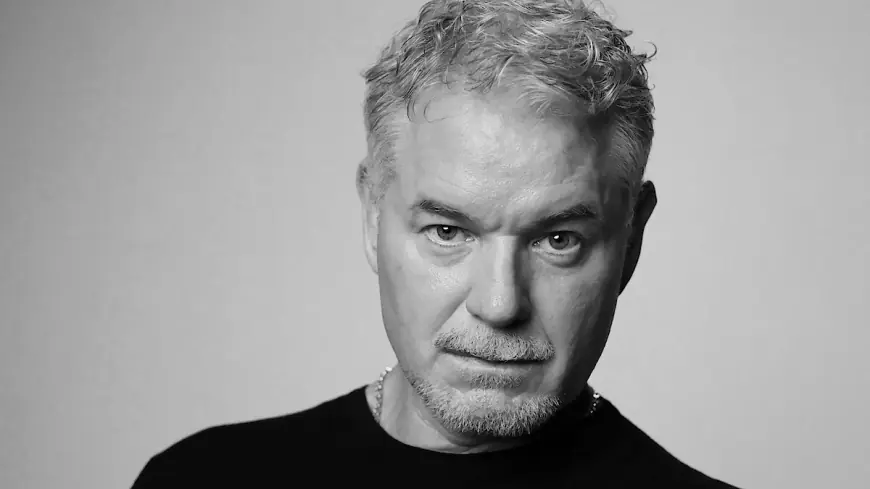
Rebecca Gayheart — Eric Dane, the actor best known for his role on Grey's Anatomy, has died 10 months after publicly confirming a diagnosis of amyotrophic lateral sclerosis (ALS). His final months were devoted to fundraising, public outreach and work with research organizations aimed at accelerating treatments for the incurable disease.
Development details
Dane disclosed his ALS diagnosis in April 2025 and died at age 53, 10 months after that announcement. In September he helped launch a three-year campaign seeking more than $1 billion in federal funding dedicated to ALS research. That campaign was accompanied by public appeals and video messages in which he identified himself as an actor, a father and a person living with ALS.
In December, Dane joined the board of Target ALS, an organization focused on research to develop effective treatments and a cure. Target ALS acknowledged that one of its campaigns surpassed a fundraising target of $500, 000 after Dane became involved. Earlier, in November, he appeared on an episode of the medical drama Brilliant Minds portraying a firefighter confronting an ALS diagnosis; he described playing that role as challenging and cathartic during a virtual panel the following month.
Rebecca Gayheart
Time magazine recognized Dane among its 100 most influential people in health during the period when he was actively campaigning. He framed his efforts in stark personal terms: "I'm trying to save my life, " he said in recent remarks, and added that if his actions could advance prospects for himself and others he would be satisfied. What makes this notable is the way he translated a terminal diagnosis into coordinated public advocacy in a compressed timeframe.
Immediate impact
The immediate effects of Dane's advocacy were measurable. His public profile helped draw attention to a fundraising drive that set an ambitious target—more than $1 billion over three years for federal research funding—and contributed to at least one charity campaign exceeding a $500, 000 goal. He used acting roles and public appearances to explain how ALS causes progressive paralysis and loss of voluntary muscle function, underscoring the stakes for patients who eventually lose the ability to speak, eat, walk and breathe independently.
Beyond dollars, Dane’s involvement altered organizational activity: joining the board of a research-focused nonprofit and participating in high-profile media projects prompted intensified conversation about barriers to ALS research, including bureaucratic obstacles he said must be addressed to improve the landscape for patients and scientists alike.
Forward outlook
Several confirmed milestones remain consequential after Dane’s death. The three-year federal funding campaign he helped launch will continue toward its goal of securing more than $1 billion for ALS research. Target ALS, where he took a board seat, will proceed with its research agenda and fundraising initiatives that have already shown momentum. The timing matters because the campaign’s multi-year horizon means the outcomes of the effort will unfold long after his passing, and current fundraising benchmarks—such as surpassing the $500, 000 campaign goal—represent early, tangible returns on the heightened attention his advocacy generated.
Dane’s public engagements in the months between his diagnosis and death leave behind both a set of financial accomplishments and a narrative of personal advocacy that organizations say may influence future support for ALS research and patient care strategies.