























Megan Keller’s overtime finish reshapes U.S. women’s hockey narrative — who feels the impact first and how it matters

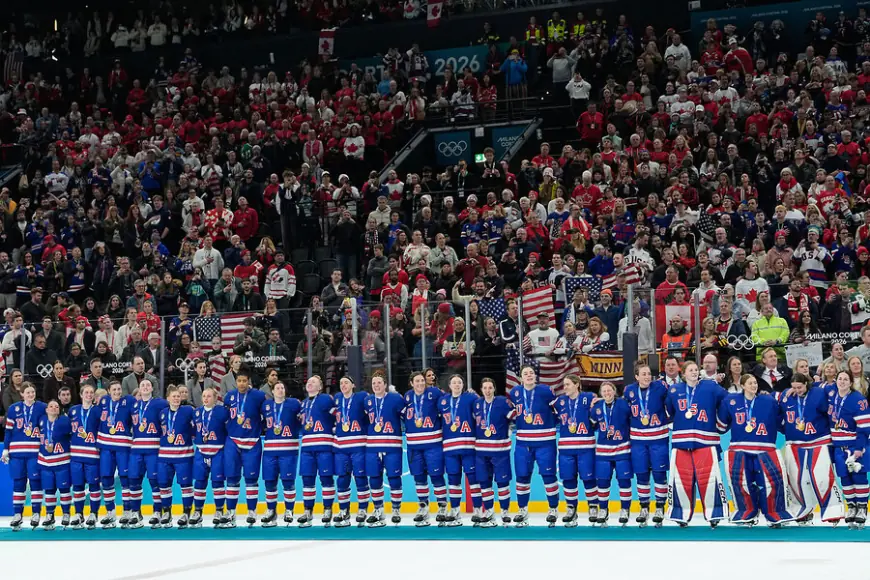
Who feels the shift immediately? Teammates, younger players and a captain closing a career arc. Megan Keller’s decisive play in overtime that sealed a 2-1 victory over Canada did more than win gold — it redistributed momentum, altered legacy talk for a veteran captain and handed a confidence boost to a roster that had been pushed to the brink. The anthem celebration arm in arm underscored the collective weight of that moment.
Megan Keller’s moment: immediate effects on the team and legacy
Here’s the part that matters: the win landed late and dramatic. The U. S. trailed Canada late in regulation before Hilary Knight tied the game with just over two minutes left, and the Americans then converted in overtime to claim gold. Megan Keller was central to that overtime finish, taking a length-of-the-ice pass, eluding a defender and finishing in the 3-on-3 period to secure a 2-1 result. The immediate effect landed on several groups — teammates who relied on veteran leadership, fans who witnessed a comeback, and a captain whose record-setting tying goal set the table for the overtime heroics.
For the roster, the victory created a psychological pivot: a team that had been unbeaten until being tested now has proof it can come from behind under pressure. For Hilary Knight, who tied the game late and has signaled this will be her final Olympics, the moment reframed an already storied career; the tying goal became the catalyst that allowed Keller’s finish to become the headline. The players then stood arm in arm to sing the national anthem at the medal ceremony — a symbolic closure to the night and a public display of the team unity that carried them through.
- U. S. comeback sequence: Knight’s late tying goal in regulation followed by an overtime finish that decided the match.
- Final score and setting: a 2-1 overtime victory over Canada in the Olympic gold-medal match held in Milan.
- Emotional aftermath: team sang the national anthem arm in arm after winning gold.
- Legacy note: Knight’s tying goal extended her national records and framed what she described as a likely final Olympic appearance.
- Forward signal: the win functions as a confidence anchor for younger players on the roster.
Game details embedded in impact — how the decisive sequence unfolded
The decisive sequence began in the final minutes of regulation when the U. S. pulled its goalie and earned a high-zone faceoff. A point shot was redirected into the net by Hilary Knight, tying the game and setting up overtime. Early in the sudden-death 3-on-3 period, a length-of-the-ice pass found a streaking forward; that player broke free, beat a defender with a deft move and finished past the opposing goaltender roughly four minutes into overtime to end the match 2-1. Teammates had talked about playing to win in overtime rather than playing not to lose, and that approach produced the decisive attack.
It’s easy to overlook, but the sequence combined veteran composure with an aggressive overtime mindset; the tie in regulation was not simply a lucky bounce but the product of deliberate risk-taking in the final moments.
The real question now is how this single game will be translated into longer-term momentum: will younger players treat the comeback as a blueprint, and will leadership choices on and off the ice shift as a result?
Key timeline (concise):
- Late in regulation: U. S. trailing, pulls goalie and wins attacking-zone faceoff resulting in a redirected tying goal.
- Overtime: three-on-three play opens space; a length-of-ice pass and a breakaway finish decide the match.
- Postgame: the team stands arm in arm to sing the national anthem during the victory ceremony.
Next signals to watch for that would confirm a lasting shift include how upcoming rosters and coaching messages reference this comeback, and whether key veterans publicly frame this as a turning point for the program. Recent coverage shows the emotional and record-setting aspects, but roster and leadership responses in the weeks ahead will determine whether this remains a singular triumph or becomes a structural turning point for U. S. women’s hockey.
Writer’s aside: The bigger signal here is the combination of veteran timing and a willingness to take chances in overtime — that blend is rare and often predictive of continued success when teams can replicate it under pressure.