





















Usa Vs Slovakia Rout Rewrites Final Stakes — U.S. Advances to Gold Medal Game Against Canada

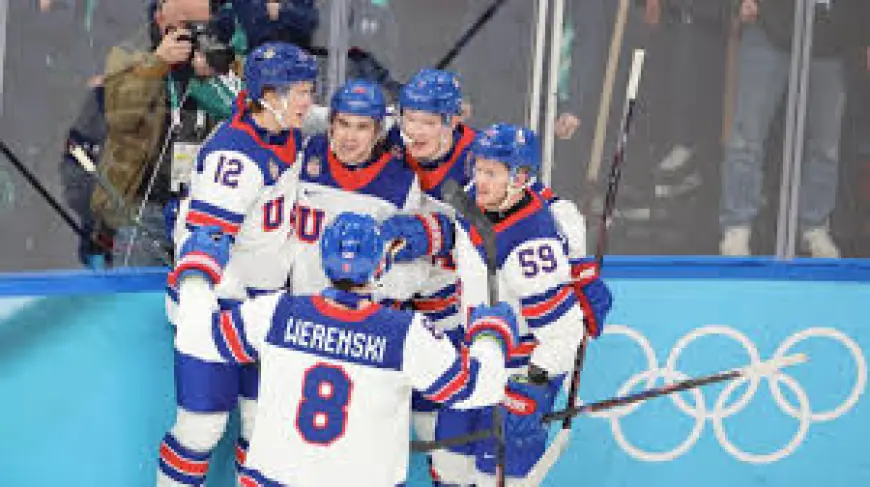
The dominant semifinal performance in Milan has immediate consequences: the usa vs slovakia result hands Team USA a clearer path into a high-stakes gold-medal clash with Canada and alters matchup conversations for both sides. With a 6-2 victory that leaned on elite goaltending and timely finishing, the U. S. moves from a project into a contender in a single sweep—putting pressure on lineup choices, matchups and coaching adjustments before Sunday’s final.
How the semifinal outcome reshapes the final
Because the Americans left the ice with a decisive scoreline, the downstream effects are tangible. Goaltending stability—one of the biggest conversation points coming into the tournament—was reinforced when the U. S. netminder allowed just two goals on a high volume of chances. That steadiness gives the coaching staff more latitude in deploying aggressive offensive looks against Canada rather than sheltering defense-first minutes.
Here’s the part that matters for coaches and fans: the U. S. roster depth—described by players as the strongest they’ve brought to the Olympics—now faces a test of sustainment. If the Americans can maintain the same defensive posture and scoring balance that produced six goals against Slovakia, the tactical burden shifts to Canada to counter with top-end attackers and matchup switches.
It’s easy to overlook, but Slovakia’s tournament run also matters. The Slovak team earned a bye out of prelims by winning a group that included Sweden and Finland and then advanced past Germany to reach the semifinals; their presence in this stage meant the U. S. could not treat the matchup as a routine hurdle. That cohesion and chemistry were a genuine test—and the 6-2 result underlines how the U. S. answered it.
Usa Vs Slovakia: key moments and lineup signals from the semifinal
The game’s decisive moments came from a mix of individual creation and structure. A primary scoring sequence featured a feed at the blue line, a give-and-go that freed a forward in the high slot and a wrister that beat the Slovak goaltender. One U. S. forward finished with a two-goal night, and the starting goalie stopped the majority of shots faced, both facts that speak to finishing ability and last-line reliability.
- Final score: 6-2 in favor of the U. S.
- Notable contributors: one American forward with two goals; the U. S. starting goalie limited Slovakia to two goals.
- Slovakia’s tournament path: won a preliminary group that included Sweden and Finland and defeated Germany to reach the semis.
Lineup signals worth noting: the Americans had enough depth that they could afford to sit at least one forward with multiple recent All-Star nods and a prominent defenseman who is the highest-paid player in Anaheim Ducks history. Those selection choices underline a balance-first construction that paid off in Milan.
What the scoreboard doesn’t show is the matchup chess ahead. Canada arrives off a comeback semifinal win, meaning momentum and morale for both North American powers will be examined by coaches and match planners over the next 48 hours.
Micro timeline (contextual rewind):
- 2002 — Canada beat the U. S. in a past Olympic gold-medal match.
- 2010 — Canada again prevailed over the U. S. for Olympic gold.
- 2026 semifinal — The U. S. defeated Slovakia 6-2 to reach the gold-medal game against Canada.
The real question now is how each coaching staff leverages this specific semifinal script when the two teams meet for the ultimate prize. Will the U. S. press its advantage and force Canada into reactive matchups, or will Canada’s top attackers change the game’s texture?
Stakeholders feel this shift immediately: American players gain confidence and tactical freedom, Canadian personnel face renewed matchup urgency, and Slovak hockey earns validation for a deep, cohesive tournament showing that tested power teams. Forward-looking signals that would confirm a continuing trend include repeated defensive control from the U. S. goalie and another multi-goal game from the American forwards.
What’s easy to miss is how much a single semifinal performance can change preparation tempo for both teams—practices tighten, video sessions grow longer, and special-teams work often becomes the deciding variable.
Expect the next 48 hours to be consumed by lineup tweaks, matchup drills and sharper game plans as the Olympic men’s hockey final shapes up into the long-anticipated resolution between two North American rivals.