



















Lakers betting fallout: LeBron downgraded, assist and usage shifts reshape Friday prop angles

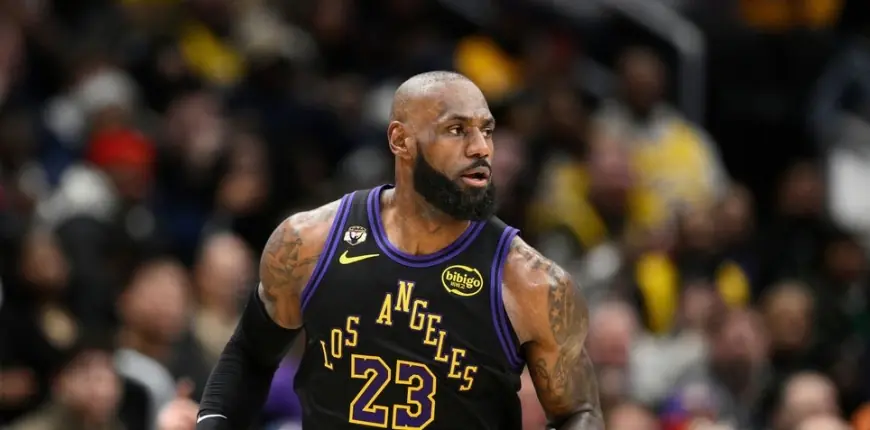
The immediate audience here is bettors and fantasy managers: the lakers’ betting landscape just tilted. A late downgrade for a primary playmaker, plus the return or clearance of key rotation players, changes assist ceilings, usage expectations and starter minutes in ways that can move spreads and player props before tip. If you had a lean on assists or a usage-dependent prop, re-check which combinations of players are expected to be on the court.
Lakers implications for bettors and fantasy lineups
Here’s the part that matters for wagers: recent patterns that pushed one player’s assist totals higher are now likely to reverse when the supporting pieces come back. The primary playmaker has logged high assist totals in recent games, but the return of another ball-dominant guard cuts into those opportunities — historical on/off splits in the context show a measurable drop in usage when that teammate is present. When both that guard and another perimeter starter share the floor, the primary’s usage sinks further.
Player props tied to assists, usage rate, and minutes are the most directly affected markets. The assist line that looked attractive based on a four-game hot streak should be reassessed with the new availability picture. Rebounds and defensive stats for opponents’ wings also shift slightly if a secondary rebounder or play-initiator is active.
- Expect assist ceilings for the primary playmaker to contract with the return of a high-usage guard and the reinstatement of a perimeter starter from a playing-time restriction.
- Usage-rate figures moved from roughly 29. 0% overall to the mid-20s when the returning guard is on the court, and down into the low 20s with both returning perimeter pieces present.
- Minutes limits that were in place while a guard returned from a long absence are now lifted, which can re-balance starting five rotations and bench minutes.
- Immediate value signals: lower assist lines and tighter minutes-linked props are where bettors should start re-evaluating.
What’s easy to miss is that a clean injury report one night can flip in less than a day; that volatility itself becomes a market factor for late in-play bettors and same-day fantasy decisions.
What changed in the injury report and who’s available
Event details are straightforward: the team submitted an empty injury report on Thursday night — the first time this season — but less than 24 hours later the primary playmaker was downgraded to questionable for Friday’s home game against the Clippers because of left knee soreness. Two players who were sidelined going into the break were cleared for Friday’s game. A starting guard who had been returning from a long absence is no longer on a playing-time restriction after previously being limited to 21–29 minutes across his first five games back.
The real question now is how lineups and rotations will be deployed if the downgraded player is ruled out at game time. Expect usage redistribution to go primarily to the returning ball handlers and to the secondary wings, which in turn shapes assist and scoring props for several players.
Compact timeline for context (schedule subject to change):
- Thursday night: empty injury report filed (first time all season).
- Under 24 hours later: primary playmaker downgraded to questionable with left knee soreness for Friday night’s home game vs. the Clippers.
- Also cleared for Friday: two players who entered the break sidelined; a guard’s playing-time restriction removed after initial limited minutes on return.
The bigger signal here is how quickly availability can shift around the All-Star break; that rhythm matters more for same-day props than season-long trends.
If you’re wondering why this keeps coming up for markets: recent assist spikes came when a top complementary playmaker was absent, and now that pattern is reversing. Adjust expectations for assist prop lines, usage-based fantasy allocations, and minutes-sensitive bets before lock.