

























Suhoor festivals for Ohio Muslims coming to Columbus, Cleveland

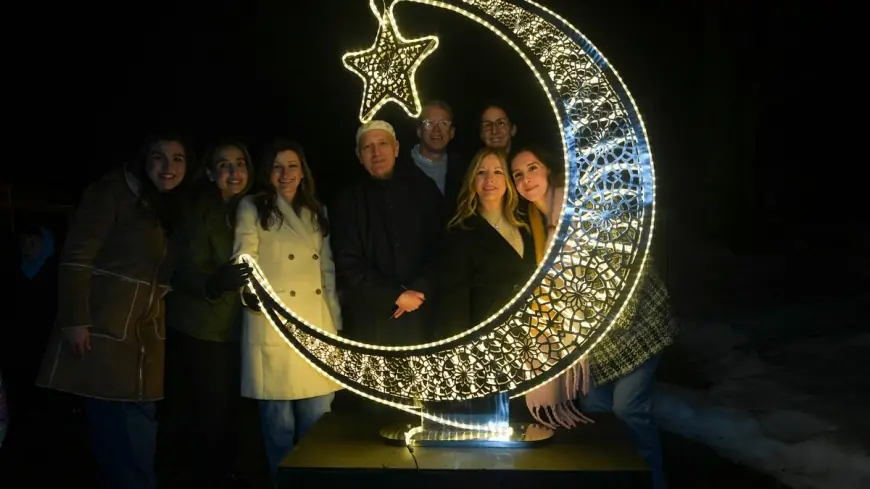
Ramadan began the night of Feb. 17 with a sighting of the waxing crescent moon in Saudi Arabia, and Muslim-led organizations in Ohio are staging suhoor events in Columbus and Cleveland to mark the pre-dawn meal and foster community during the month. The gatherings bring communal eating hours, halal food vendors and small-business pop-ups to indoor festival settings as fasting continues across the state.
Suhoor festivals in Ohio
Muslim-led groups in Ohio are presenting several community suhoor festivals this Ramadan. Organizers plan multi-vendor events that highlight halal food options from local restaurants, merchandise from small businesses and a chance for families and friends to gather during the eating hours that precede the day’s fast. One Cleveland event is expected to feature more than 100 vendors offering halal suhoor options drawn from the city’s restaurant scene. Another indoor festival format will focus on halal food stalls, specialty drinks and desserts alongside small-business pop-ups. A larger banquet-hall event will host many vendors and will provide shuttle service from additional parking locations.
When is suhoor in Ohio
During Ramadan, fasting begins at the Fajr prayer and continues until Maghrib at dusk. Fajr is performed at dawn; the Fajr call to prayer is described as beginning when the sun starts to rise, and the pre-dawn meal called suhoor is eaten before that moment. Dawn times vary by location, so local prayer-time tools and community schedules are commonly used to determine the precise moment to stop eating and begin the fast in a given city. Local organizers note that communal suhoor gatherings occur in the eating window between sunset and sunrise throughout the month.
Mesaharaty and pre-dawn drums
Across the Mediterranean and Levant, the mesaharaty remains a distinct Ramadan figure whose calls and drumbeats wake neighborhoods for the pre-dawn meal. The mesaharaty traditionally walks the streets in the late hours of the night carrying a drum or flute, chanting rhythmic invocations to rouse the fasting community and to invite them to suhoor. Historically the role included carrying a wicker basket and distributing food offerings collected from households to poorer families before dawn. With the spread of alarms and smartphones the role diminished in some places, but the Syrian war and related power outages have revived the drum’s practical importance, making the mesaharaty once again a lifesaving presence for families without reliable electronic alarms.
What to expect at events
Ohio festivals are positioning themselves as community nights that combine food, commerce and fellowship. Attendees should expect halal entrees from multiple restaurants, desserts and specialty drinks, as well as pop-up stalls selling clothes and other merchandise. Organizers are selling tickets for entry and are using social channels to share event details. In Columbus, a Ramadan night market is scheduled for March, bringing additional vendors and food stalls to the city’s observance calendar. The gatherings aim to reinforce community ties during the month and to offer a visible, social way for Muslims and friends to observe suhoor together.
Looking ahead, the seasonal calendar of markets and festivals in Ohio is likely to remain a central feature of Ramadan community life this month. In areas affected by unreliable electronic services, traditional practices such as street callers and drums are also showing resilience, underscoring how ritual and practical needs can intersect during pre-dawn hours.