























Eric Dane’s final months redirected attention and resources to ALS — families, researchers and care networks will feel the shift

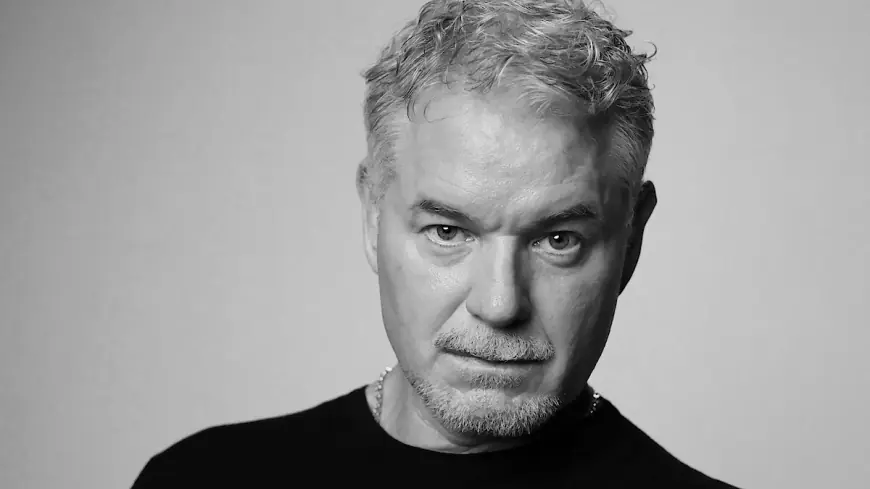
Why this matters now: In his last months, eric dane moved quickly from patient to public campaigner — an unusual arc that has immediate consequences for fundraising and research priorities and an emotional ripple for families living with ALS. His public push focused attention, launched a multi-year funding drive and plugged him directly into research governance, changing the short-term field dynamics around the disease.
Who is affected first by Eric Dane’s late-stage campaigning
The most immediate effects land on three groups: people living with ALS and their families who may see faster access to advocacy-driven programs; research organizations competing for new federal funds targeted by the campaign; and care networks dealing with increased public visibility and demand for services. Here’s the part that matters: when a high-profile patient actively campaigns, it compresses timelines for fundraising and can force policymakers and institutions to respond sooner than they otherwise might.
What's easy to miss is how his visible transition — from actor to advocate to board member — concentrated momentum in a short time frame, reshaping who gets attention and resources as the campaign unfolds.
Event details in context: the actions that moved the needle
Drawing only on verifiable accounts, several linked moves defined his last months. He confirmed an ALS diagnosis and died roughly ten months later at age 53. During that period he focused on public-facing efforts: launching a three-year campaign with an aim to secure more than $1 billion in federal funding; helping a campaign surpass a $500, 000 fundraising target for a research organization by joining its board of directors; and using acting roles and public panels to communicate the realities of the illness. He described his motivation in stark terms as trying to save his life and framed his mission around pushing toward an end to the disease.
- April: publicly shared an ALS diagnosis.
- September: helped launch a three-year federal funding campaign with a target above $1 billion.
- November–December: used scripted work and panel appearances to raise awareness; joined a research organization's board and supported fundraising that surpassed a half-million-dollar goal.
Medical treatments and technologies can improve quality of life for patients, but no cure exists; that reality underpinned his effort to accelerate research funding and reduce bureaucratic hurdles he described as blocking progress.
- He portrayed a character dealing with ALS on a medical drama episode, which he said was both challenging and cathartic.
- In campaign material he introduced himself as an actor and a father who is now living with ALS, centering the personal in public appeals.
The real question now is how lasting the fundraising and policy effects will be once immediate attention fades — and whether institutional players will turn short-term momentum into durable funding commitments.
Key takeaways:
- High-profile advocacy condensed months of attention into a short window, accelerating fundraising outcomes already hit by one campaign.
- Joining a research board gave him a seat in decision-making that can shape grant priorities and messaging.
- Using acting roles to reflect lived experience amplified public understanding and may influence how ALS is depicted and discussed.
- Despite increased visibility, the fundamental scientific challenge remains: treatments can ease symptoms, but a cure has not been found.
For families and caregivers, the most tangible near-term change will be increased awareness and possibly new private or public funds targeted at research and services. For researchers and advocacy groups, the pressure will be to translate the surge in attention into sustainable programs and measurable research commitments.
One practical measure of what’s next will be whether the multi-year campaign secures early federal appropriations or earmarked commitments; another will be whether the research organization’s governance shifts lead to new funding pathways or collaboration models. Recent updates indicate fundraising targets were already surpassed in one campaign, but broader federal funding aims remain to be realized and will determine long-term impact.
The bigger signal here is how rapidly an individual's public fight can change the conversation around a disease — but converting that into lasting structural change is a different, slower task.
What remains clear from the verified timeline is that he used his final months deliberately to spotlight ALS, push for funding and insert himself into organizational leadership — moves meant to outlast his own participation.