










Clippers Vs Lakers: Narrow Win Shifts Momentum Toward Lakers' Second‑Half Charge

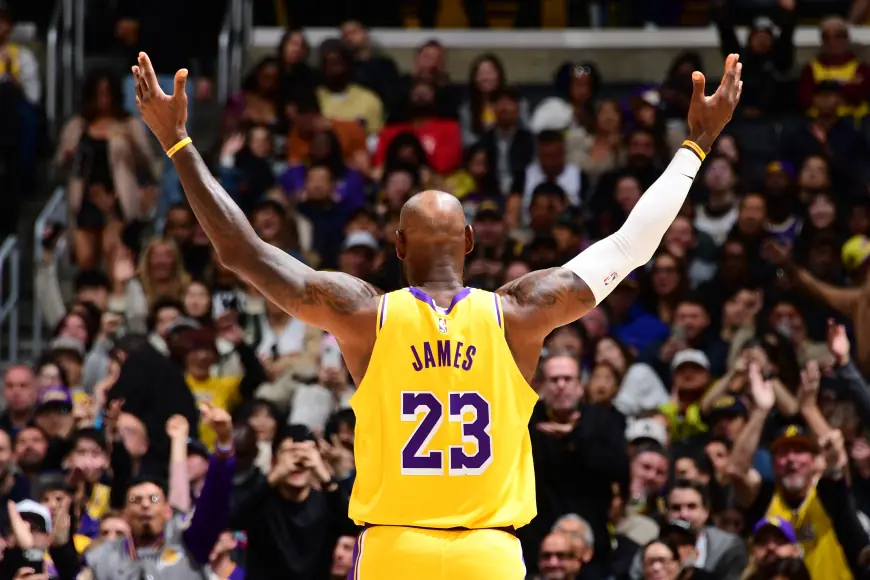
The Clippers Vs Lakers matchup matters now because the Lakers left with a three-point victory that changes short-term momentum and clarifies who carries the offense when health lines up. With the core trio sharing the court together for only the 11th time this season, a 125-122 result gives the Lakers a measurable nudge in standings traction and chemistry development heading out of the break.
Clippers Vs Lakers — momentum, lineup consistency and standings implications
This game moved beyond a single final possession; it offered a data point about the Lakers’ ability to win close contests when Luka Doncic, LeBron James and Austin Reaves all play together. The three combined for the bulk of the scoring and playmaking: Doncic finished with 38 points, 11 assists and six rebounds, Reaves scored 29 on nine-for-15 shooting with six rebounds, and James posted 13 points and 11 assists. That trio’s presence mattered most late, when free throws and possession control decided the outcome.
What’s easy to miss is how those individual lines interact with game flow: the Clippers outscored the Lakers on second‑chance points by a wide margin in the first half, yet the Lakers still led at the break and closed the game. That split — strong interior rebound performance from the Clippers versus superior late execution by the Lakers’ primary creators — frames how each team will attempt to tilt future matchups.
- Key closing possessions: Doncic’s two free throws with 21. 2 seconds left created a five-point cushion; a subsequent turnover on a cross‑court pass was recovered after a missed tying three.
- Late availability swing: Kawhi Leonard exited with left ankle soreness and left with 31 points; his departure shifted the Clippers’ late offense.
- Defining defensive play: Reaves drew a charge with under two minutes left that removed a 26‑point Benedict Mathurin from the floor with his sixth foul.
Game details embedded: scoring runs, fouls and the final sequence
Early sequences featured alternating mini‑runs — Brook Lopez opened with a personal 5-0 run while Reaves supplied the Lakers’ first five points. The Lakers closed the first quarter up by 12 and led by seven at halftime despite the Clippers winning second‑chance points 14-2 in that period. In the third quarter the Lakers built a 15-point cushion on a 10-2 spurt, only to see a 17-1 Clippers run flip the lead; the Lakers regained control heading into the fourth up by four.
The fourth quarter began with a Vanderbilt dunk and several stoppages from fouls charged to the Lakers, and the teams traded ties and leads late. Reaves’ late 3-pointer pushed the Lakers back in front after the Clippers tied the game with about 9: 50 remaining. In the final two minutes, defensive discipline — notably the charge drawn on Mathurin — and Doncic’s late free throws separated a three-point final margin.
Secondary notes that shaped the box: Marcus Smart scored seven points, all in the fourth quarter; Deandre Ayton supplied a late dunk after a James assist; Leonard’s late exit came with 5: 10 left due to ankle soreness.
- Key takeaways
- Lakers regained a narrow momentum edge when their top three were on the floor together.
- Clippers’ second‑chance advantage exposed a defensive rebounding mismatch that kept the game close.
- Late fouls and a critical charge call swung the endgame to the Lakers.
- Health questions — an ankle issue for a Clippers star and a sore knee plus migraine noted for a Lakers veteran — will influence rotations in coming games.
Here’s the part that matters: this outcome is less about a single win and more about proof that the Lakers’ core can close tight games when available together. The real question now is whether that chemistry holds through the next stretch and how the Clippers respond with adjustments to interior rebounding and late‑game isolation defense.
Micro timeline: first game back from the All‑Star break; Lakers led by 12 after Q1 and by seven at halftime; final score 125-122. The real test will be how both teams translate the game’s lessons into their upcoming rotations and defensive plans.
It’s easy to overlook, but the late possession details — free throws, a drawn charge and a missed tying three — are the precise levers that decide tight West races when both teams are near full strength.