













Mlb Offseason Power Shift: Winners, Losers and Final Grades That Redraw 2026 Momentum

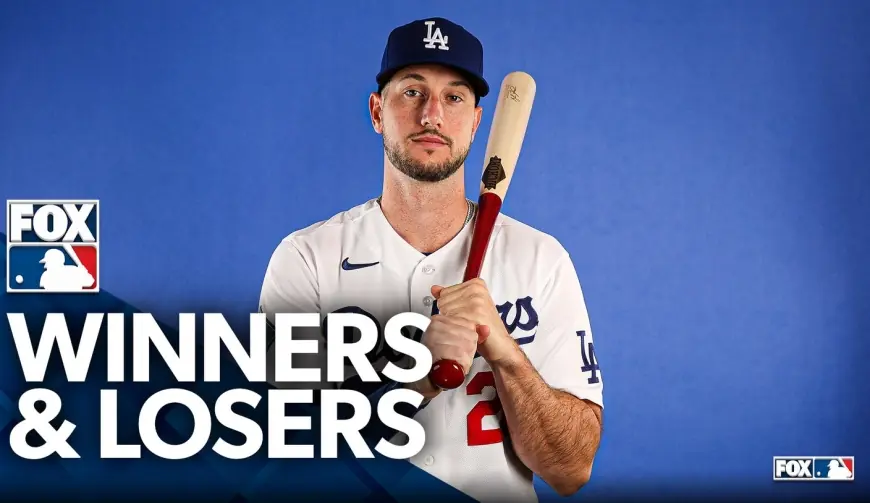
The 2026 mlb offseason closed with a clear redistribution of momentum: a small group of teams pushed their title odds higher with decisive upgrades, while several clubs made incremental or puzzling moves that leave questions about competitiveness. Here’s why the balance of power looks different going into spring training and which developments will alter expectations before Opening Day.
Mlb market momentum: who gained ground and who stalled
The biggest impact was concentrated. One franchise that has won consecutive championships doubled down in the two areas that cost it in prior seasons, landing an elite closer and a premium outfielder and further widening its gap from the field. That club now carries a $400 million-plus payroll and is widely viewed as the overwhelming favorite for the 2026 World Series.
At the other end, a recent contender that missed the postseason last year made only modest changes and looks set to regress in some projections to a lower win total than the previous campaign, leaving its offseason as flat and, in a few key spots, unresolved.
Individual market moves also shifted negotiating leverage around the league: a top pitcher in his final arbitration year set a new arbitration salary record, raising the ceiling for what arbitration-eligible players might secure and altering the financial landscape for comparable cases down the line.
What’s easy to miss is how concentrated these swings are—several roster-defining decisions came from a handful of teams rather than a broad league-wide scramble. Here's the part that matters: teams that used the offseason to plug glaring holes (closer, outfield, rotation) did far more than those that made lateral or incomplete fixes.
Notable moves and roster-level outcomes
- Champion club: Added an elite closer on a three-year, $69 million deal and a top-tier outfielder, plus short-term extensions and reunions that preserve a core built for repeat titles; payroll sits north of $400 million.
- Astros: After missing the postseason last year, finished with 87 wins; offseason activity was limited enough that projections put them at a lower win total this year, and their position-player configuration created a roster logjam that could push a player into trade talks before Opening Day.
- Top arbitration case: A frontline pitcher in his final arbitration year secured a $32 million salary for 2026, a new high for the arbitration system and a precedent that raises market expectations for similar players.
- Orioles: Aggressive roster construction included multiple rotation reinforcements, a high-end closer addition to bridge an injury, an outfield swing, and a marquee five-year, $155 million deal for a middle-of-the-order slugger.
- Cubs: Despite losing one top free agent earlier, the club countered with a five-year, $175 million infield signing and rotation depth moves that aim to shore up defense and provide high-upside pitching.
- Mets: Executed a sweeping roster overhaul that saw several veteran contributors depart as the team retools its roster construction.
If you’re wondering why this keeps coming up, the answer is simple: a few targeted upgrades (closer, outfielder, rotation piece) can swing playoff probability far more than general depth signings. The real question now is whether teams that mostly stood pat will pivot during spring training or enter the season with their current rosters.
- Dodgers-level spending and selective elite additions have made one club the clear preseason favorite for the title.
- Teams that failed to address glaring roster mismatches—particularly in the outfield and bullpen—face an uphill climb even if health is cooperative.
- Arbitration precedent may increase near-term payroll commitments for teams with emerging stars approaching free agency.
- Roster shuffles that created positional logjams could produce late trades before Opening Day, altering divisional outlooks quickly.
Micro timeline: the defending champions entered the offseason having won back-to-back titles and followed with high-profile additions; one contender missed the playoffs for the first time in nearly a decade and emerged with a subdued winter; a landmark arbitration settlement was reached in the same interval.
The bigger signal here is that the offseason’s headline transactions concentrated leverage in a few hands, rather than distributing parity across the league. Expect spring training to reveal whether the quieter clubs accept a step back or seek last-minute fixes. The next confirming signs will be performance in early Grapefruit and Cactus League games and any transactions that address unresolved roster logjams.
Writer’s aside: It’s tempting to treat headline signings as the whole story, but lineup balance and bullpen depth—areas that received mixed attention—will ultimately determine which offseasons are judged successful.