






















Truck Accident Lawyer Mentioned as Resource After Petrolia Minivan Medivac

A minivan left the roadway and struck a tree in the 1500 block of Lighthouse Road near Petrolia in the early hours of February 19, 2026, leaving two people with head wounds and prompting an airlift of one patient. The crash has highlighted the emergency and post-accident challenges that can prompt victims to consult a truck accident lawyer or other personal injury counsel.
Development details — Truck Accident Lawyer referenced in aftermath
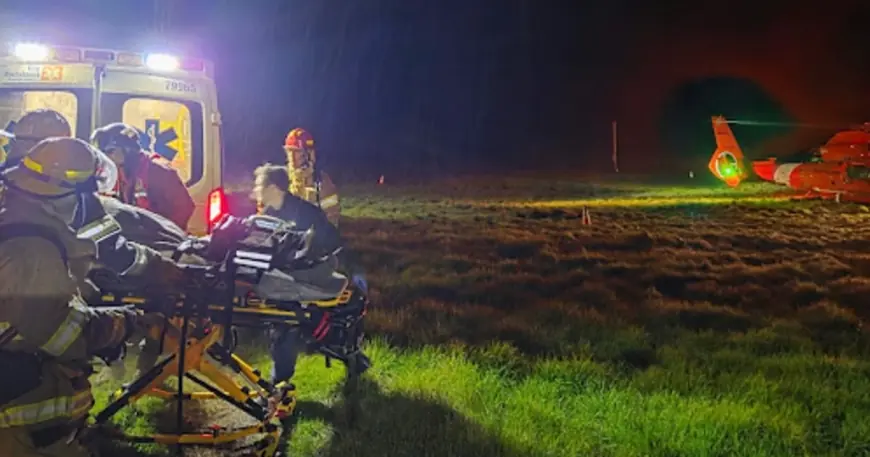
California Highway Patrol logs place the crash at about 3: 19 a. m., when a Honda Odyssey minivan sustained major front-end damage after leaving the roadway and striking a tree. Petrolia Fire Chief Chris Gilda said firefighters first learned the vehicle’s occupants had walked to a nearby residence, so crews redirected their response and located two patients suffering head wounds.
Emergency responders initially requested an air ambulance, but weather conditions grounded the first helicopter. Chief Gilda then contacted the U. S. Coast Guard, which accepted the request and flew one patient from Petrolia to St. Joseph’s Hospital for further care; the second injured individual was transported by ground ambulance. The scene was cleared at about 5 a. m.
Local emergency entities that responded included Petrolia Fire, City Ambulance, the Coast Guard, and CHP. Officials have not released further details about the patients’ conditions.
Context and pressure points
The crash unfolded during stormy conditions that also complicated the emergency response. Chief Gilda noted that a power outage occurred during the scene, and that the fire department’s backup generator had recently failed earlier in January. Volunteers completed patient transfers, then returned to the station to clean and restock equipment before becoming available for subsequent calls.
What makes this notable is how several routine rural vulnerabilities converged: limited lighting, severe weather that grounded an air ambulance, and aging volunteer infrastructure that reduced on-scene resilience. Those operational stresses shaped decisions to request alternative air transport and extended the time volunteers were engaged before returning to service.
Immediate impact
The most immediate effect was medical: one patient required medevac to a hospital by Coast Guard helicopter and the other was taken by ground ambulance for treatment. Both were identified by crews as having head injuries; the full extent of their conditions has not been released and the matter remains under review.
Operationally, volunteer responders absorbed extra burdens. The failed backup generator meant crews worked without their usual electrical support while restoring the scene and preparing equipment. After the incident they had to replenish supplies and ensure readiness for additional emergencies brought on by the ongoing storm.
The crash also prompted discussion of post-accident needs. A local personal injury practice that addressed the incident outlined services commonly offered to collision victims, including free consultations and contingency-fee representation. That outreach framed legal help, including contact with a truck accident lawyer, as one step victims and families might consider when managing medical bills, insurer communications, and recovery planning.
Forward outlook
At this stage there are no public updates about the patients’ conditions or further investigative steps beyond initial response logs and hospital transfers. Agencies that responded have not released additional information, and the matter remains under review.
Confirmed near-term milestones will be limited to routine administrative actions: emergency units returning to full readiness after restocking, and any follow-up entries in CHP logs or hospital release notifications. If further official details are provided, they will clarify the extent of injuries and the sequence of events that led the minivan to leave the road.
The timing matters because this incident illustrates how weather and equipment failures can compound harm and complicate care in rural settings. For survivors and families navigating medical and insurance processes, engaging counsel such as a truck accident lawyer or a personal injury attorney may be one practical step in handling paperwork and claims while focusing on recovery.