














Brady Tkachuk: What the Hughes Family Olympic Moment Means for U.S. Youth Hockey Fans

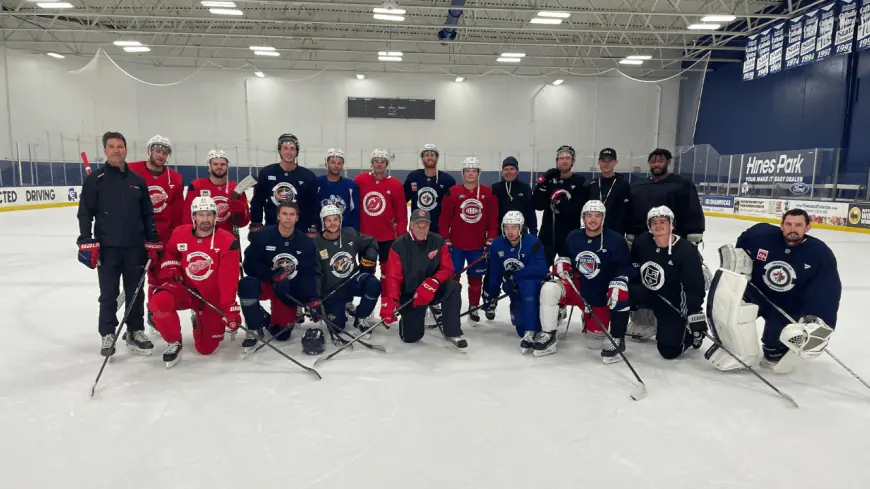
For parents, coaches and young players, the Hughes brothers’ visibility at Milan Cortina 2026 is doing more than boost highlight reels — it’s reframing development pathways and the role of family networks in elite hockey. That shift touches daily routines (summer skates, pick-up drills), roster narratives, and how families measure success. brady tkachuk
Why U. S. youth players and parents should care about the Hughes family presence
Here’s the part that matters: Jack and Quinn Hughes aren’t just reaching the Olympic stage themselves — their parents are active coaches and mentors whose routines feed into the national programs. Ellen worked with the U. S. women’s team that won the gold medal in an overtime final, while Jim runs summer skates and currently holds a development role that connects him with many top players. That combination of elite playing, parental coaching and open-doors hospitality creates a visible model for how consistent practice and networked support can accelerate player growth.
It’s easy to overlook, but the day-to-day mechanics — summer sessions at a local rink, informal house stays for visiting prospects, and parents who double as on-ice mentors — are central to the story the Olympics are amplifying. For families weighing travel teams and private trainers, the Hughes example puts emphasis on sustained, communal environments rather than one-off interventions.
- Quinn’s recent overtime winner helped push the men’s team into the semifinals, and he has been a leading contributor in points through the tournament.
- Jack also contributed on offense during the quarterfinal win and is part of the same national core.
- Ellen’s consultancy role intersected with a gold-medal run for the women’s team; Jim’s development work centers on summer skates and player preparation.
- The family’s household has hosted peers and prospects, making it a recurring hub for elite practice and informal mentoring.
Brady Tkachuk and the event details: the Olympic performance and the household behind it
The headline plays are important — Quinn scored the overtime winner in the quarterfinal against Sweden after he and Jack assisted an earlier goal — but the context behind those plays is what’s feeding longer-term interest among fans and stakeholders. Quinn has multiple points in the tournament and Jack has been a multi-point contributor as well. Their parents’ involvement spans consultants in the women’s program to running summer development skates that attract a broad group of top players.
Roster overlap is part of the pattern: several players who train in the same summer sessions join national rosters in the same tournaments, reinforcing the idea that local training environments can have national-level impact. The household has welcomed a number of peers for stays and practices, turning private spaces into recurring development sites.
If you’re wondering why this keeps coming up for youth coaches and parents, the Olympic setting crystallizes how family-led coaching and consistent off-season programs can show up as clutch plays on a big stage. brady tkachuk
Micro timeline (key verifiable moments):
- Milan Cortina 2026 provided simultaneous storylines for the U. S. men’s and women’s teams.
- The U. S. women’s team won the gold medal in an overtime final.
- The U. S. men’s team advanced past the quarterfinals after an overtime winner that involved a Hughes brother.
What’s easy to miss is the multiplier effect of routine activities — summer skates, parental coaching and shared households — that turn into national opportunities when multiple participants reach the same competitive level. The real test will be whether more families and local programs adopt the same steady, networked approach.
Key takeaways for parents and coaches:
- Consistent summer training and community-based skates can translate to national-stage readiness.
- Family involvement that emphasizes mentorship and access often complements formal coaching pathways.
- Hosting and practicing with peers creates repeated competition and learning moments that matter more than one-off showcases.
- High-profile tournament moments highlight practices that produced them — useful for program planning and player development choices.
There are still open questions about how broadly replicable the Hughes pattern is across different regions and resource levels; recent updates indicate some elements are rare luxuries, while others — like steady local skates and mentorship — are adaptable. The larger signal from Milan Cortina 2026 is clear: development ecosystems that combine family support, accessible training and peer-driven competition can produce elite results, and that matters for anyone building a pipeline from youth hockey to international rosters.