























Usa Hockey Score: Megan Keller’s Overtime Winner Seals U.S. Olympic Gold and Sparks Local Celebration

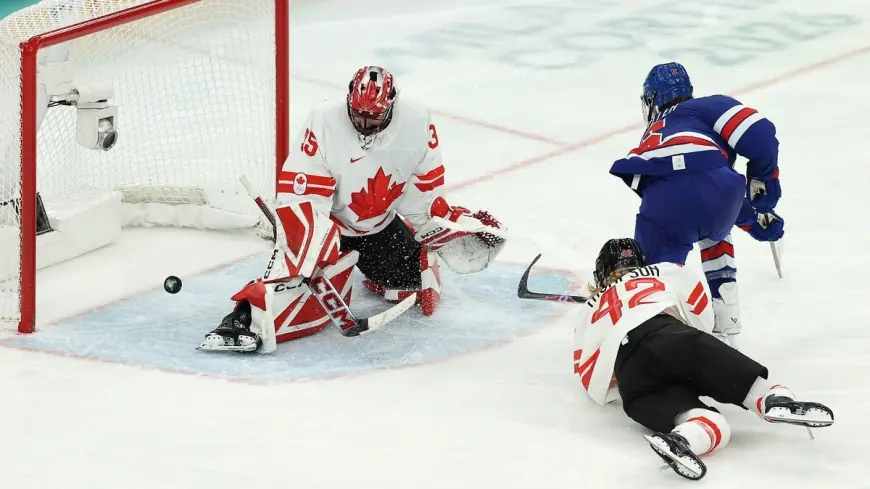
The usa hockey score that decided the Olympic final was a 2-1 overtime result capped by Megan Keller’s winning goal, a finish that both delivered a gold medal and underscored growing attention on the women's game. The margin and the moment matter now because the play was decisive after a late regulation equalizer and it highlighted a player with longstanding local ties.
What happened and what’s new — Usa Hockey Score
The confirmed outcome: the U. S. women's team beat its rival in the final with a 2-1 overtime victory, secured when Megan Keller executed the decisive move to the net and scored in overtime. That goal gave Keller her second Olympic gold in her third Olympic appearance and represented the U. S. team's third gold overall. The U. S. allowed only two goals across seven tournament wins, and the championship game required a late regulation rally before Keller's overtime heroics closed it out.
Local connections framed the moment. A professional forward and a head coach watched the game closely and spoke about personal links to Keller: one was a youth teammate in Farmington Hills, and the coach's son had been a teammate of Keller's in the Livonia Hockey Association. Those relationships were emphasized alongside Keller's tournament impact.
Behind the headline
Context: Keller emerged into the decisive moment after a tournament in which the U. S. conceded just two goals in seven wins, making the final both a tight defensive duel and a stage for an individual decisive play. What changed in the final was a late regulation equalizer that forced overtime and set the stage for Keller’s finish.
Incentives and constraints: Keller's performance and tournament history reinforce her standing as a prominent figure for the women's game, with observers noting her profile as a spokesperson and an influence on growth at the community level. Constraints visible from the play included the narrow margin for error—few goals conceded across many games meant each scoring opportunity had outsized importance.
Stakeholders: the primary stakeholders named in the aftermath include Keller herself; teammates and coaches who shared in the win; youth hockey communities in Farmington Hills and Livonia where Keller developed; and local players and families connected to those associations. Those with close ties to Keller emphasized both personal pride and the broader significance for the sport.
What we still don’t know
- Details about the identity and timing of the late regulation equalizer beyond the fact that it occurred are not specified here.
- Broader tournament context beyond the noted two goals allowed and seven wins is not provided.
- Specific next steps for Keller’s role as a visible figure in the women's game are not confirmed.
- Information on formal recognition, community events, or institutional responses following the victory is not yet available.
What happens next
- Heightened visibility scenario: Keller’s overtime winner further elevates her profile within the women's game; a trigger would be additional public appearances or feature opportunities that reference her role as a spokesperson.
- Local engagement scenario: Farmington Hills and Livonia hockey communities could experience increased attention or participation linked to Keller’s success; triggers would include community events or youth program announcements that cite the accomplishment.
- Competitive momentum scenario: The U. S. team’s performance—allowing only two goals across seven wins and closing with an overtime victory—could be treated as evidence of depth and defensive strength; trigger would be forthcoming season or tournament results that build on the same patterns.
- Profile consolidation scenario: Keller’s second gold in a third Olympic appearance could reinforce her long-term visibility; a trigger would be formal roles or public-facing initiatives that place her in ambassadorial positions for the sport.
Why it matters
The immediate practical impact is twofold: on the ice, the narrow 2-1 finish and the low goals-against total across the event spotlight defensive consistency and clutch scoring; off the ice, the personal ties between hometown peers and a high-profile player bring attention to grassroots development pathways. Observers from the professional ranks noted Keller’s long-standing competitiveness, and that framing ties elite success back to community programs where she played as a youth.
Near-term implications include increased focus on the player as an ambassador for the women's game and renewed attention to youth programs in the towns named by those who watched and reflected on the victory. The usa hockey score that ended the final is the focal point for both celebration and discussion about the sport’s trajectory, with local relationships underscoring how elite achievements can resonate at the community level.