























Mens Usa Hockey Overtime Winner Rearranges Olympic Semifinal Picture — Who Feels It First

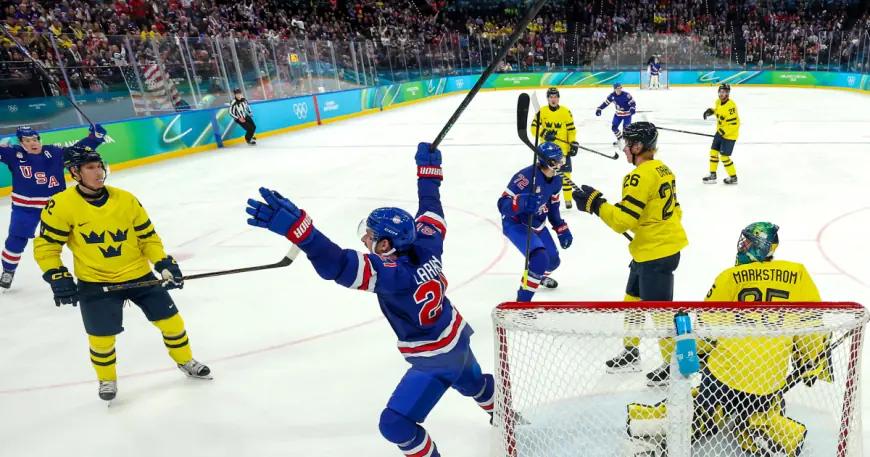
The overtime blast that sent the U. S. through has immediate ripple effects: the U. S. roster inherits momentum and matchup scrutiny, Slovakia receives a tougher opponent than expected, and Sweden's tournament ends abruptly. For mens usa hockey, a single sudden-death play reshapes preparation windows and fan expectations ahead of a Friday semifinal that now carries heavier strategic stakes.
Mens Usa Hockey: immediate impacts on players, opponents and momentum
Here's the part that matters: an overtime winner in a quarterfinal does more than decide a scoreline. It reallocates energy and attention across three groups — the advancing U. S. squad, the semifinal opponent, and the eliminated Swedish team. The Americans move forward with a psychological lift; Slovakia must now counter a team that finished the quarterfinals by surviving sudden-death drama; Sweden's elimination closes their tournament without extra preparation time for resolving late-game breakdowns.
The bigger signal here is that the quarterfinal slate was unusually tight — three of four games needed overtime — which elevates recovery and situational coaching as tournament-level advantages going into the semis. That pattern compresses decision windows for every coach and player still in the bracket.
Event details and decisive moments
Quinn Hughes delivered the overtime goal that produced a 2-1 victory for the United States over Sweden in the Olympic quarterfinals. The U. S. had opened scoring in the second period when Dylan Larkin put his team ahead. Sweden pulled its goaltender late in regulation and tied the game on a 6-on-5 chance, which forced the match into overtime; that tying strike came with 1: 31 remaining in regulation.
Overtime in this tournament is a sudden-death 3-on-3 session, and the Americans controlled the puck in extra time before Hughes' winner. Goaltender Connor Hellebuyck finished with 29 saves on 30 shots. Sweden's starter faced 40 shots and stopped 38. The U. S. now advances to face Slovakia in the semifinal on Friday; the other semifinal pairs Canada and Finland following their respective quarterfinal wins. Sweden's run ended at the quarterfinal stage.
Accounts differ on the precise clock reading for the overtime goal in published recaps; that specific timing remains unclear while the result itself is uncontested.
- U. S. final score over Sweden: 2-1 (overtime).
- Second-period scorer for the U. S.: Dylan Larkin.
- Sweden tied with its goaltender pulled, 6-on-5, late in regulation.
- Goaltending statline snapshots: U. S. netminder had 29 saves on 30 shots; Sweden’s starter faced 40 shots and made 38 saves.
- Three of the day’s four quarterfinals went to overtime; Slovakia won its quarterfinal by a larger margin.
Key takeaways for people following mens usa hockey: the team advances with momentum but also enters a semifinal that will demand quick turnaround planning; opponent scouting will happen on an accelerated timeline; and the day’s overall pattern of overtime thrillers suggests depth and conditioning could matter as much as top-line talent in the remaining rounds.
If you’re wondering why this keeps coming up for coaches, the real question now is how quickly the U. S. can convert the emotional lift into disciplined play against Slovakia on Friday. Recovery protocols, line matchups in 3-on-3 situations, and special-teams readiness will be the immediate levers to manage the transition from quarterfinal heroics to semifinal necessity.
Timeline recap (compact):
- Late in regulation: Sweden ties the game on a 6-on-5 play with the opposing net empty.
- Overtime: 3-on-3 sudden death; the U. S. controlled possession in extra time.
- Short-term next step: U. S. faces Slovakia in Friday's semifinal; Canada plays Finland in the other semifinal.
It’s easy to overlook, but this quarterfinal round’s frequency of overtime games reshapes how teams approach recovery and matchup prep in the days left of the tournament. That non-obvious detail could determine which semifinalist is best positioned for the gold-medal game.