























Measles Outbreak Uk: Why North London Children Are Being Hit First and What Families Face Next

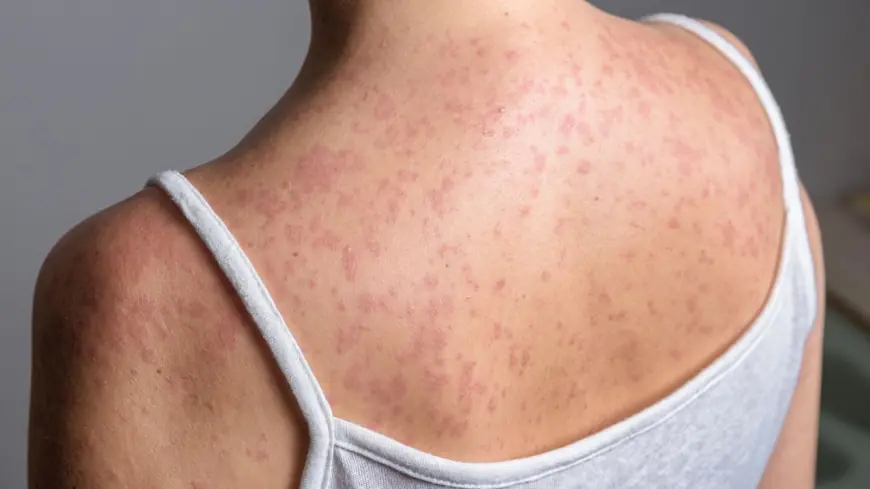
The measles outbreak uk is already reshaping daily life for families and schools in north London: young children are where most cases are concentrated, catch-up vaccination access is patchy, and local authorities are moving to exclude unvaccinated contacts from school. That combination is increasing immediate disruption for parents and creating short-term pressure on local health services and community outreach efforts.
Who is feeling the impact in the Measles Outbreak Uk
Children under 10 are carrying the brunt of this cluster of infections in London, and the consequence is practical as much as medical: exclusions from school, interrupted education, and extra strain on parents arranging catch-up jabs. Local vaccination coverage in some boroughs is substantially below the levels usually needed to prevent spread, and that low protection is amplifying transmission in settings where kids mix closely.
What's easy to miss is that exclusion policies and blocked access for vaccination teams are multiplying the outbreak’s effects — not just the number of cases, but the social disruption that follows when whole classes or nurseries are affected.
Event details and the current picture
Recent figures show new clusters in north London boroughs. One borough recorded 16 new cases in a single week and adjacent Haringey recorded 10 new cases; taken together this contributes to 88 recorded cases in London since the start of the year. Across England, a separate tally for the period from 1 January to 16 February registered 130 confirmed cases, with 34 identified in a four-day span mid-February and a focal concentration inside one north London borough accounting for around 50 confirmed cases within its boundaries.
Health teams say many infections are in unvaccinated young children in schools and nurseries; some children have required hospital treatment. National vaccination rates for the year in question averaged below desired targets: the England average was 83. 7% for routine measles vaccination, while London’s rate was 69. 6% and the most affected borough reported a 64. 3% rate. Neighbouring areas also show low double-dose uptake in the most recent year recorded.
Community vaccination work has been stepped up, with outreach into places of worship and local sites and a broader drive to increase childhood vaccine uptake. At the same time, dozens of schools in parts of the capital have denied access to vaccination teams or failed to share records of children needing vaccination, which complicates on-site catch-up efforts.
- Key immediate signals to watch: rising confirmed counts outside the initial borough; reports of school exclusions for unvaccinated contacts; and expanded local vaccination events targeted at under-fives.
- Groups most directly affected: unvaccinated children under 10, families with mixed vaccination status, and school communities where immunisation teams cannot operate on site.
- Forward indicator: an increase in recorded double-dose coverage in the targeted boroughs would signal a meaningful reduction in short-term transmission risk.
Here’s the part that matters for parents: if your child missed a routine dose, catch-up clinics are being promoted locally and health authorities are urging families to arrange vaccination now to reduce both personal risk and school disruption.
The real question now is how quickly community outreach and school cooperation can close the coverage gaps that are letting measles spread so readily among young children.
Micro timeline embedded in the current data:
- Start of year to mid-February: London totals reach 88 recorded cases.
- 1 January–16 February: 130 confirmed cases across England, with a notable cluster inside one north London borough.
- Mid-February four-day window: 34 additional confirmed cases identified.
It’s easy to overlook, but a low local uptake of the two-dose schedule is the core amplifier here — vaccinating children who missed doses is the clearest lever to reduce both illness and disruption.
Notes on uncertainty: case counts reflect confirmed laboratory reports and there is a lag between infection and confirmation, so actual infection numbers in the community may be higher than the confirmed totals. Recent national-level changes in measles status underline that this is part of a wider pattern, which is why authorities are mounting a wider vaccination campaign.