



















Kaori Sakamoto's silver finish reshapes the Olympic free-skate narrative — tears, surprise arrivals and a looming mystery

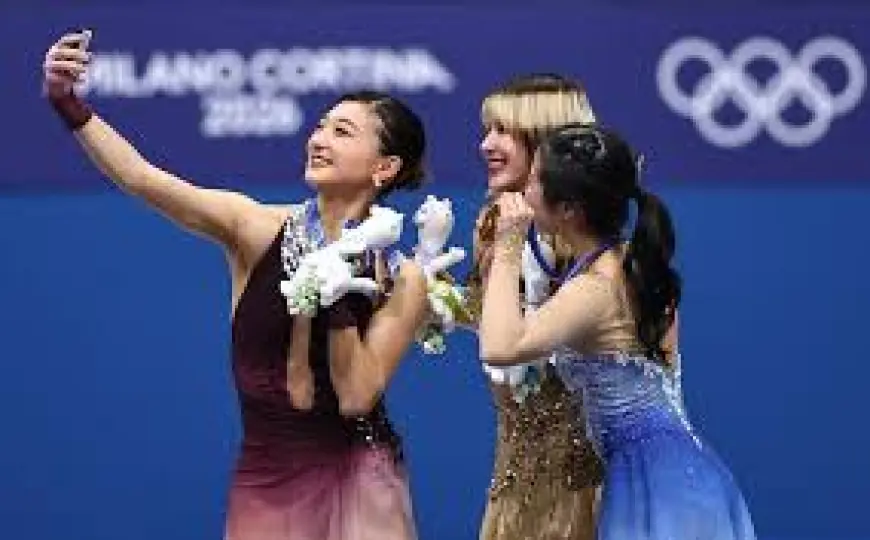
The wider competition picture changed in a single hour when kaori sakamoto concluded her final Olympic skate in tears and took silver. That result alters immediate expectations for the free skate by introducing emotional momentum and renewed uncertainty. At the same time, the early arrival of Japan's 17-year-old Nakai Ami and a short program that delivered joy mean the free skate will begin from a more unpredictable starting line.
Kaori Sakamoto: what the silver means for the free skate dynamic
Instead of a tidy cast heading into the free skate, the podium situation now carries an emotional edge. Kaori Sakamoto's visible reaction after her final skate reframes the narrative for competitors and viewers; the silver finish is both an outcome and a psychological inflection point. The women's short program had already injected energy into the field, and the presence of a newly prominent 17-year-old from Japan further complicates how competitors will approach risk and composition in their long programs.
Here's the part that matters: the short program's upbeat tone has not resolved who will control the free skate. With kaori sakamoto finishing with silver and emotion on display, the free skate becomes the moment where those threads either tighten into a clear order or unravel into further surprises.
Event snapshot and immediate implications
- Final Olympic skate outcome: kaori sakamoto ended her skate in tears and earned the silver medal.
- Field development: the women's short program was widely described as delivering joy, creating a buoyant, less predictable environment heading into the free skate.
- New presence: Japan's 17-year-old Nakai Ami made an early arrival at the Games, signaling fresh competition pressure in the coming segment.
These facts combine to produce two practical effects. First, competitors now face a scoring and mental landscape that may reward aggressive free-skate strategies or conservative, clean performances depending on how judges and audiences respond to the emotional narrative. Second, the competition's storylines are less settled: joy from the short program has not translated into certainty, and a silver finish paired with tears has introduced an emotional storyline that could influence pacing and tactics.
What's easy to miss is how non-results — visible emotion, surprise entrants, an unexpectedly joyful short program — can shift how athletes are perceived and how they respond under pressure. Those are the soft signals that often determine whether a free skate cements a legacy or produces another twist.
Quick Q& A
Q: Why does kaori sakamoto's silver matter beyond the medal itself?
A: The combination of an emotional reaction and a high finish alters the psychological backdrop for the free skate and feeds into narratives competitors must navigate.
Q: Who feels the impact first?
A: Fellow free-skate competitors and coaching teams will adjust strategy and possibly risk levels; audiences and commentators will also read the result as a factor in momentum.
Q: What could clarify the situation?
A: Clean, high-difficulty free skates that either confirm the short program's upbeat tone or overturn it with dramatic performances will resolve the current uncertainty.
The real question now is how the free skate will translate these moments into a final order. The short program provided joy; the silver and visible emotion from kaori sakamoto added drama; the arrival of a new 17-year-old presence injected unpredictability. Together they make the upcoming free skate less a formality and more a decisive chapter.
Expect the free skate to reveal whether the competition moves toward clarity or delivers another surprise. Schedule and final outcomes remain subject to the unfolding competition; details may evolve as the event progresses.