















Hawks Vs 76ers: Atlanta 117, Philadelphia 107 — Sixers' Post-Break Slide Continues

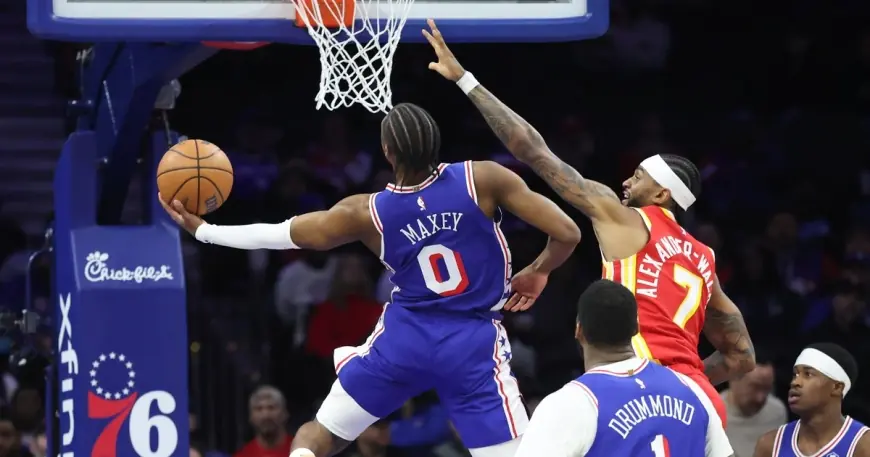
The latest hawks vs 76ers matchup ended 117-107, with Atlanta handing Philadelphia a third straight loss as the Sixers returned from the All-Star break short-handed. The final score and ensuing storyline matter because Philadelphia labored without Joel Embiid and remains without Paul George, leaving the roster to cobble together a rotation in a stretch run where every result is consequential.
hawks vs 76ers: Game flow and turning points
The Hawks held control for most of the night, building as large as a 14-point lead in the fourth quarter before the Sixers staged a late push. Philadelphia got an offensive spark when it went small—Kelly Oubre Jr. slid into the power forward spot beside three guards—and that lineup provided the scoring punch needed to cut into Atlanta’s margin. The rally ultimately came up short.
On offense, Tyrese Maxey found a semblance of rhythm in the second half, and VJ Edgecombe enjoyed an early heater that helped keep the Sixers within range. Defensively, Philadelphia struggled in transition, repeatedly yielding open floor baskets that allowed the Hawks to stay ahead. Atlanta’s point-forward attacker, a first-time All-Star, continued to attack by driving and creating for others, giving Philadelphia trouble throughout the night.
Final score, records and roster context
- Final: Hawks 117, 76ers 107.
- Following the game, Atlanta moved to a 27-30 record while Philadelphia slipped to 30-25.
- Joel Embiid did not play; he watched in street clothes as what began as a knee issue prior to the break has since evolved into a shin problem. Paul George remains sidelined and is expected to be out for another five weeks.
What the loss exposes for Philadelphia
The defeat underscored recurring themes: the Sixers have not consistently put away teams that should be beatable when star players are absent, and their rotation construction is strained by long-term absences of top-paid, injury-prone pieces. On nights when the offense heats up, defensive lapses—particularly in transition—have negated momentum. Conversely, when the defense tightened, sustained offensive production was lacking until the late lineup tweak.
The post-break effort showed signs of life but also reinforced the narrow margins this team is operating within now that both leading scorers are unavailable for extended stretches.
Immediate takeaways and what’s next
- Philadelphia’s comeback tended to arrive too late after falling behind by double digits in the fourth quarter.
- Small-ball lineups can provide an offensive spark, but they have not yet solved the Sixers’ defensive vulnerabilities in transition.
- Availability of Embiid and the return timeline for other injured players will shape rotation decisions and the team’s ability to end its skid.
Recent coverage of the game framed the loss as a continuation of a troubling pattern: the Sixers are rarely involved in blowouts but often fail to close out games they should win, especially when forced to navigate extended absences among their top-paid stars. Details remain clear in the box score and the injury reports that accompanied the matchup, and the team will need more consistent two-way execution to change course as the schedule progresses.