



















Ami Nakai’s early arrival reshapes expectations as women’s short program brings joy and Kaori Sakamoto exits in tears with silver

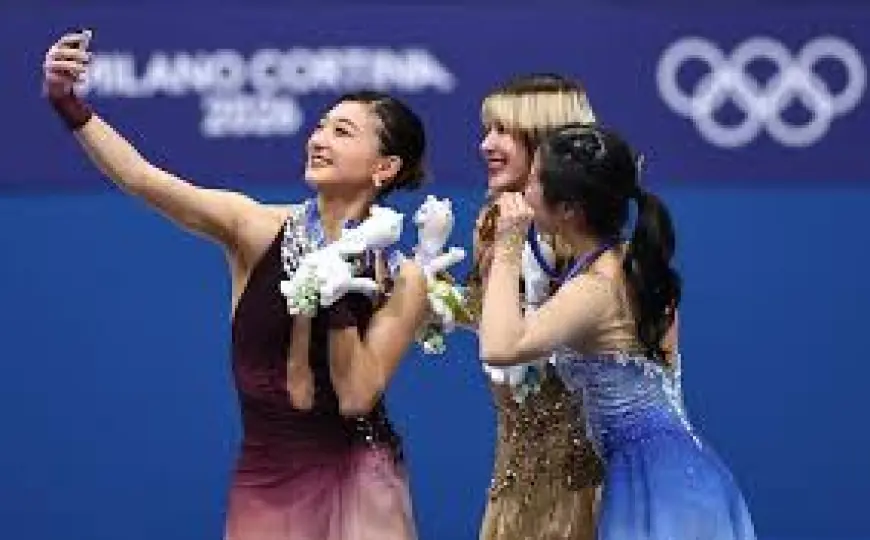
The immediate impact is emotional: Japan’s figure-skating moment has two stark faces — a 17-year-old who arrived early and altered attention, and a veteran whose final Olympic skate finished in tears and silver. ami nakai’s sudden emergence after the short program has changed who fans are watching most closely and raises fresh questions about how the free skate will sort competing narratives.
Ami Nakai: the early arrival and who feels it first
For teammates, national followers and neutral viewers, the presence of a 17-year-old called into the spotlight has both amplified excitement and shifted the emotional center of the competition. The short program delivered joy across the field, which makes the arrival of a young skater more consequential than a routine substitution or debut — attention, expectations and storylines have already moved toward her.
Here’s the part that matters: the immediate beneficiaries of that shift are the audience and the roster of skaters whose performances will now be read relative to the youngster’s arrival. The real question now is how the free skate will respond to that pressure and whether the program that brought joy will settle lingering uncertainties.
What’s easy to miss is how quickly a single short program can rewrite the emotional ledger of an event — one joyful short can magnify the impact of an early arrival and turn a veteran’s farewell into a counterpoint rather than the only headline.
Event details and context (embedded)
The women’s short program delivered joy across the competition, creating a buoyant mood going into the next segment. Kaori Sakamoto’s final Olympic skate ended in tears and a silver medal, marking an emotional conclusion for a departing competitor. Separately, Japan’s 17-year-old Nakai Ami made an early arrival at the Winter Olympics, an arrival that has already affected public focus and narrative framing.
Details about placements beyond the silver, and how the free skate will unfold, remain part of the ongoing storyline; those specifics are expected to be clarified as the competition continues.
- Short program mood: broadly joyful, raising stakes for the free skate.
- Veteran outcome: final Olympic skate concluded with tears and a silver medal.
- New spotlight: a 17-year-old from Japan made an early arrival that redirected attention.
The free skate is presented as a pivot point: the short program softened the field with moments of joy, but the next segment carries an unresolved quality described as a mystery — the results and narratives could shift substantially.
Quick Q& A — implications and signals
Q: Who is most directly affected? Fans, teammates and commentators who framed the event around experience will now be balancing that with the attention on a young arrival.
Q: What would confirm a shift in momentum? Clear performances in the free skate that either cement the short-program joy or upend it; the free skate outcome will be the clearest signal.
Q: Is the situation settled? No — the description of the free skate as a mystery indicates key outcomes and narratives remain open.
It’s easy to overlook, but emotional arcs matter here as much as technical results: a veteran’s farewell in tears and a rising teenager’s unexpected presence create contrasting storylines that will influence how this competition is remembered.
Readers following the event should note that the short program has already delivered an emotional high, and the free skate carries the burden of answering the questions it left behind. Expect developments to clarify who emerges from that mystery and how the early arrival reshapes longer-term narratives.