






















Billionaire Les Wexner Says He Was Misled by Jeffrey Epstein in Closed-Door Congressional Deposition

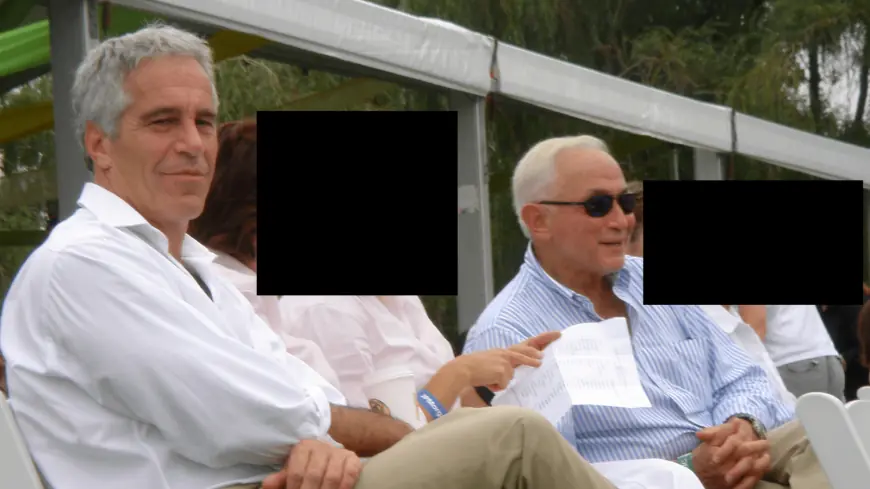
Les Wexner told US lawmakers he had been misled by Jeffrey Epstein and described his own judgment as poor, saying he was deceived while Epstein served as his financial adviser. The deposition, held behind closed doors for a House committee investigating Epstein's activities, focused on the depth of their relationship and whether Wexner enabled Epstein’s rise.
What happened and what’s new
The former head of several major retail brands gave testimony in a closed-door deposition before a House Oversight Committee on Wednesday. Wexner delivered an opening statement that was later made public and voiced that he had been gullible in trusting Epstein, whom he said had taken large sums from Wexner’s family while acting as a financial adviser.
Wexner denied any participation in Epstein’s criminal conduct and emphasized that he had nothing to hide. He acknowledged limited interactions with Epstein, including a brief family visit to Epstein’s private island. The session was attended in person only by Democratic lawmakers; no Republican members of the committee traveled for the testimony though some Republican staff were present. Committee members had travelled to Wexner’s home state for the deposition.
Previously, a 2019 law enforcement document described Wexner as a potential co-conspirator, but no criminal charges were ever filed. After the session, Democratic committee members spoke to reporters and reiterated concerns that Wexner’s financial support and delegation of control over his finances had contributed to Epstein’s accumulation of wealth and access.
Les Wexner: Behind the headline
Wexner framed his presence at the hearing as an opportunity to set the record straight. A spokesperson for the 88-year-old magnate said that he answered questions honestly and continues to deny knowledge of or participation in Epstein’s illegal acts.
Key stakeholders in this episode include the committee conducting the probe, Democratic members who pressed for accountability, Wexner and his representatives who seek to rebut allegations, and the broader public attention focused on links between wealthy patrons and Epstein. The committee’s interest follows the release of a large volume of documents related to Epstein’s misconduct, which prompted renewed scrutiny of those who associated with him.
Incentives are simple and immediate: the committee is pursuing clarity about how Epstein amassed resources and influence; Wexner is motivated to protect his personal and professional reputation and to counter any implication of criminal involvement. Political incentives also shape the setting: the testimony occurred with only one party’s lawmakers present in person, which frames the public messaging that followed.
What we still don’t know
- The precise amounts Wexner said were taken from his family and the full financial accounting of Epstein’s activities remain unspecified.
- Whether Wexner had any contemporaneous knowledge of Epstein’s criminal conduct is not established.
- What, if any, further documentary evidence the committee has linking Wexner to decisions about Epstein’s finances has not been disclosed.
- The reasons why no Republican lawmakers attended in person are not detailed in the public account of the session.
- Any potential civil or other non-criminal proceedings tied to the committee’s findings were not described in the deposition summary.
What happens next
- Further committee follow-ups: The panel could summon additional witnesses or request more documents if gaps in the record persist; a clear trigger would be new documentary evidence arising from the released files.
- Public disclosures: Portions of testimony or additional opening statements could be released, prompting renewed public scrutiny; such releases would be driven by committee decisions about transparency.
- Legal or civil actions: While no criminal charges were noted, civil claims or financial audits could emerge if evidence supports them; those would depend on new findings from the probe.
- Political attention and messaging: Lawmakers may use the hearing’s outcomes in public statements or oversight steps, particularly if further material ties are identified.
Why it matters
The deposition touches on core questions about how a convicted sex offender was able to build wealth and access, and whether wealthy associates enabled that rise. For the public and the businesses connected to Wexner’s name, the hearing has reputational implications that extend beyond immediate legal risk. The committee’s scrutiny aims to clarify the networks that supported Epstein’s activities and to determine whether those networks should face further accountability.
In the near term, the most tangible effects will be on public perception and on the committee’s subsequent disclosures and actions. Wexner’s insistence that he was deceived and his call to set the record straight frame the next stage of the inquiry: what documentary and testimonial evidence remains to be examined and whether it will alter the public understanding established so far.