




















Ami Nakai’s early arrival at the Winter Olympics reshapes expectations for Japan’s fans and young skaters

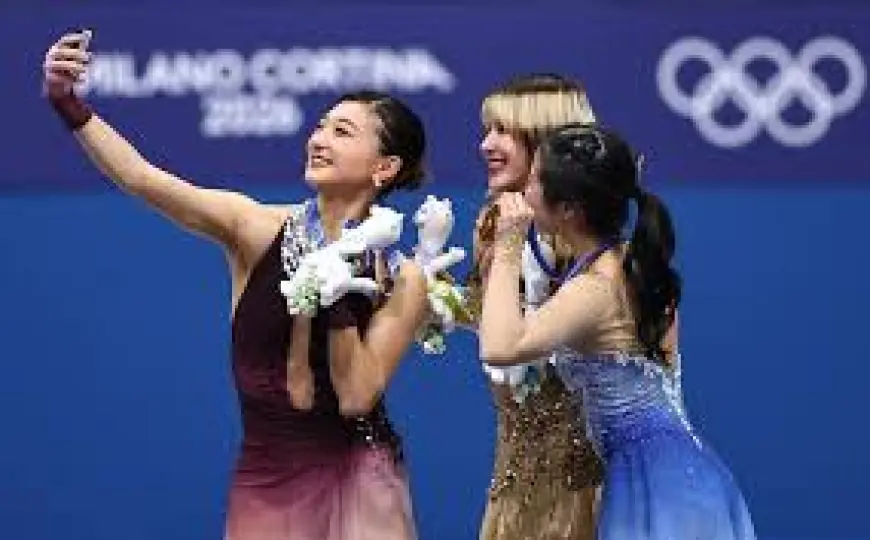
For Japan's skating fans and the next generation of competitors, the sudden spotlight on ami nakai changes who people watch and what young skaters measure themselves against. The short program left audiences energized, while Kaori Sakamoto's final Olympic skate ended in tears and silver—creating a contrast that intensifies interest in how newcomers will handle the pressure heading into the free skate.
Ami Nakai and the ripple effect on fans, teammates and aspiring juniors
Here’s the part that matters: a 17-year-old arriving early into the Olympic conversation reframes expectations for domestic followers and training peers. The emotional high of the women's short program has already shifted media and fan attention; for young skaters watching from home or at rinks, that attention becomes a new performance benchmark. The real question now is how that attention will affect preparation, pacing and mental approach when the free skate arrives and uncertainty remains.
- Short program atmosphere boosted overall enthusiasm and created momentum heading into the free skate.
- Kaori Sakamoto's final Olympic skate concluded with silver and visible emotion, adding a poignant backdrop to the competition.
- ami nakai's early arrival signals a generational moment for supporters tracking Japan's roster.
- Next signals to watch: how competitors respond under free-skate pressure and whether the early spotlight holds or shifts.
What's easy to miss is the way the short program's tone—equal parts joy and tension—changes the narrative tone athletes will face in the free skate. That emotional mix is as consequential as technical marks when crowds and expectations are high.
Event snapshot: short program joy, Kaori Sakamoto's final skate, and the uncertain free skate
The short program delivered noticeable joy across the field, setting an upbeat stage. Coinciding with that uplift, Kaori Sakamoto closed her Olympic chapter with a final skate that ended in tears and a silver medal. Against that emotional pair of moments, the free skate remains described as a mystery—uncertain outcomes and unanswered questions make the next phase pivotal for narratives and for athletes seeking to cement reputations.
For readers tracking momentum: if the free skate stabilizes expectations, early standouts will be confirmed; if it upends results, the short program may be remembered as a moment of hope rather than a predictor. Either way, the combination of a celebrated short program, an emotional veteran farewell, and a newcomer's sudden prominence creates one of those compact Olympic storylines that changes how fans and junior athletes measure success for the rest of the event.
Micro timeline (compact context):
- Women’s short program produced a surge of positive energy and optimism.
- A veteran’s final Olympic skate concluded with silver and visible emotion.
- A 17-year-old’s early arrival into the spotlight introduced fresh expectations—free skate outcomes remain unclear.
The bigger signal here is that calendars and training plans for young skaters will now be discussed with an eye toward mental readiness as much as technical preparation.
If you’re wondering why this keeps coming up, it’s because moments that pair celebration with farewell often accelerate shifts in public attention—and that shapes how careers and fan loyalties evolve during a single Games.