
























Tornado Warning Not Mentioned While Tornado Watch and Severe Storm Threat Increase Across Ohio Valley

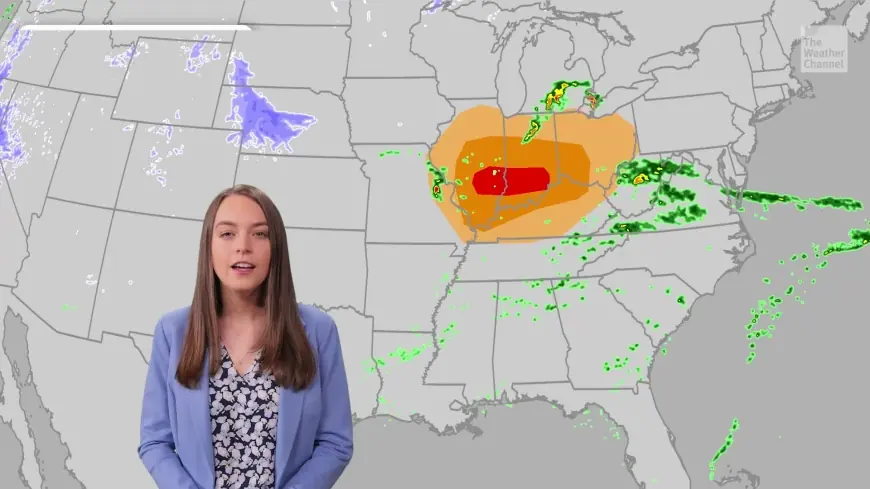
Materials indicate a rising chance of severe storms and tornadoes across the Ohio Valley, with a Tornado Watch in place for most Thursday night and for parts of SE Indiana as storms arrive, but the available information does not include a tornado warning.
Tornado Warning: What happened and what’s new
The material available highlights an increasing severe weather threat across the Ohio Valley and notes that the chance of severe storms and tornadoes is rising. A Tornado Watch is cited for much of Thursday night, and separate material mentions a Tornado Watch for parts of SE Indiana as storms move into the area. Some items intended to provide further local detail were inaccessible in the provided content due to location restrictions, and one item contained no substantive text.
Behind the headline
Context: The dominant thread in the available material is an intensifying severe weather risk for the Ohio Valley region. The presence of a Tornado Watch for broad areas through Thursday night, and for portions of SE Indiana as storms arrive, signals elevated concern among forecasters and emergency planners in the area.
Incentives and constraints: The immediate incentive reflected in the material is to alert residents and local authorities to heightened storm risk. Constraints in the available content include limited local detail in some items and inaccessible pages, which reduce the ability to confirm localized warnings or forecasts for specific communities.
Stakeholders: Residents in the Ohio Valley and in parts of SE Indiana are the primary stakeholders who stand to gain from clear, timely warnings. Local emergency managers and first responders have leverage to issue protective measures and public advisories. Broadcasters and information distributors are positioned to amplify watch and warning information, but some of the intended local detail was not retrievable in the materials provided.
What we still don’t know
- Whether any tornado warning has been issued beyond the Tornado Watch references in the provided material; the materials do not mention a tornado warning.
- The precise areas and communities that would be hardest hit if storms intensify; local detail is limited or inaccessible in the available items.
- The timing and severity of any specific storm cells that could prompt a change from a Tornado Watch to a tornado warning.
- Whether local public-safety alerts or emergency declarations have been activated in particular counties.
What happens next
- Scenario 1 — Watches remain in effect: If storms do not rapidly intensify, Tornado Watch conditions could persist through Thursday night with no tornado warning issued. Trigger: storms remain organized but lack intensification into tornadic cells.
- Scenario 2 — Local tornado warnings issued: If individual storm cells strengthen and show rotation, local authorities could issue tornado warnings for affected counties. Trigger: radar or storm reports indicating rotation or imminent tornado development.
- Scenario 3 — Watches expanded or extended: If the threat widens geographically, Tornado Watches could be expanded to additional counties across the Ohio Valley. Trigger: broader storm development and forecasts indicating increased risk area.
- Scenario 4 — Watches canceled: If storms weaken or shift away, existing Tornado Watches could be canceled. Trigger: persistent weakening of convection or change in storm trajectory.
Why it matters
Practical impact: The materials underline an elevated threat environment for people in the Ohio Valley and parts of SE Indiana, where severe storms and tornadoes are more likely during the period described. Timely, specific warning information is critical because a Tornado Watch alone indicates conditions are favorable, while a tornado warning would indicate an immediate, localized threat requiring protective action.
Near-term implications: Residents and local officials should treat the watch conditions as a prompt to review safety plans and monitor updates. The absence of reference to a tornado warning in the available material underscores the importance of seeking local, real-time alerts and staying prepared for rapid changes in conditions.
Second-order effects: Broader disruptions such as travel delays, event cancellations, or emergency-service pre-positioning are possible if storms intensify. The limited accessibility of some local information in the materials could hamper situational awareness for some communities.
Next steps to monitor: watch for any updates that add local warning details; check for releases that specify counties under warning; and follow emergency management channels for evacuation or shelter guidance if a tornado warning is announced.