

























Iftar Time 2026: Saudi Crescent Sighting Sets Ramadan Start, Global Fasting Hours Announced

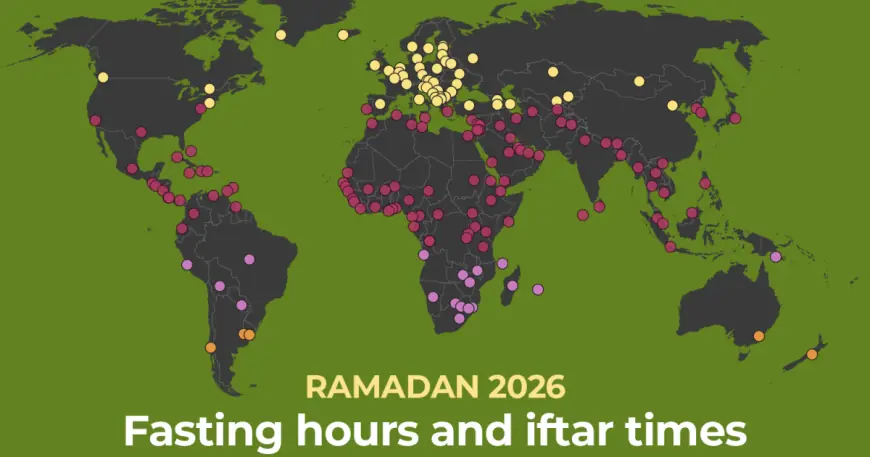
The crescent moon has been sighted in Saudi Arabia, setting the start of Ramadan and fixing iftar time 2026 guidance for millions: moon spotters verified the crescent on Tuesday, Feb. 17, 2026, placing the first full day of fasting on Wednesday, Feb. 18, 2026. The announcement also underscores wide variation in daily fasting hours depending on location.
What happened and what’s new
Moon spotters in Saudi Arabia verified the waxing crescent on Tuesday, Feb. 17, 2026, which means the month begins at sundown that evening and the first day of fasting will be Wednesday, Feb. 18, 2026. The month of observance will last either 29 or 30 days, with the end and the date of Eid al-Fitr depending on the next crescent sighting.
Published calculations for this cycle show a broad range of dawn-to-dusk fasting durations worldwide, from roughly 11. 5 to 15. 5 hours depending on location. The typical span cited for many locations falls between about 12 and 15 hours on a given day, with specific suhoor and iftar times varying by city and shifting as the month progresses.
Iftar Time 2026: Behind the headline
Key confirmed facts drawn from the recent announcements and timing calculations:
- Start confirmation: The crescent sighting on Feb. 17 establishes the month beginning at sundown and the first daytime fast on Feb. 18, 2026 (ET references to calendar dates are used where provided).
- Duration and rhythm: Ramadan will span 29 or 30 days; the daily fast runs from dawn (end of suhoor) until sunset (iftar).
- Geographic variation: For much of the Northern Hemisphere the first-day fasts are shorter this year, while locations in the Southern Hemisphere will experience longer daylight fasting periods on the first day.
These elements reflect the mechanics of a lunar-month observance and the practical calendar effects that influence fasting schedules and communal planning.
What we still don’t know
- Exact local iftar times for every city: the broad ranges are provided, but precise suhoor and iftar moments per locality are not included here.
- Final Eid al-Fitr date confirmation: while there is an indication for a likely date later in the month, the official end-day will depend on the next crescent sighting and formal confirmation.
- Whether all communities worldwide will follow the same start date: local moon-sighting practices can produce divergent local start dates; global alignment is not guaranteed.
- Detailed day-by-day changes in fasting hours across the month for specific locations: aggregated trends are described, but hourly progressions by city are not provided here.
What happens next
- Widespread commencement of fasting as confirmed: many communities will observe the fast starting at sundown on Feb. 17 with the first daytime fast on Feb. 18.
- Local calendars finalized: municipal, religious and community authorities will publish city-specific suhoor and iftar times based on standard astronomical calculations or local sighting practices, affecting daily schedules.
- Potential for local variation: some communities may await or follow separate local sightings and could begin their observance on a different day; differences would be resolved by local leaders and sighting committees.
- Preparation for Eid timing: communities will monitor the moon toward the end of Ramadan to determine the final day and the start of Eid al-Fitr, with an anticipated but not final date noted during planning discussions.
Why it matters
Practical impacts are immediate for millions planning meals, work arrangements, religious services and community events. Shorter daytime fasts in many Northern Hemisphere locations reduce daily fasting hours in the near term, while Southern Hemisphere communities will experience longer first-day fasts. Businesses, schools and public services in diverse locales often adjust schedules during the month; accurate suhoor and iftar times are essential for families, employers and faith institutions to coordinate prayer times, communal iftar gatherings and exemptions for those unable to fast.
Near-term implications include logistical planning for communal meals and prayers, potential workplace accommodations, and heightened demand for locally precise timing information as the month unfolds.
Monitoring the next moon sighting will determine the official end of the month and the start of Eid observances; communities and individuals should await their local authorities for final confirmation.